Ongoing Project, 2020-
Honorable mention, Social/Documentary 2024
Finalist, B&W Street Macadam Award Finalist 2025
Honorable Mention, Foto Slovo Festival 2025
Honorable Mention, PISPA Social/Documentary 2026
Featured, Photo Slovo Discovery
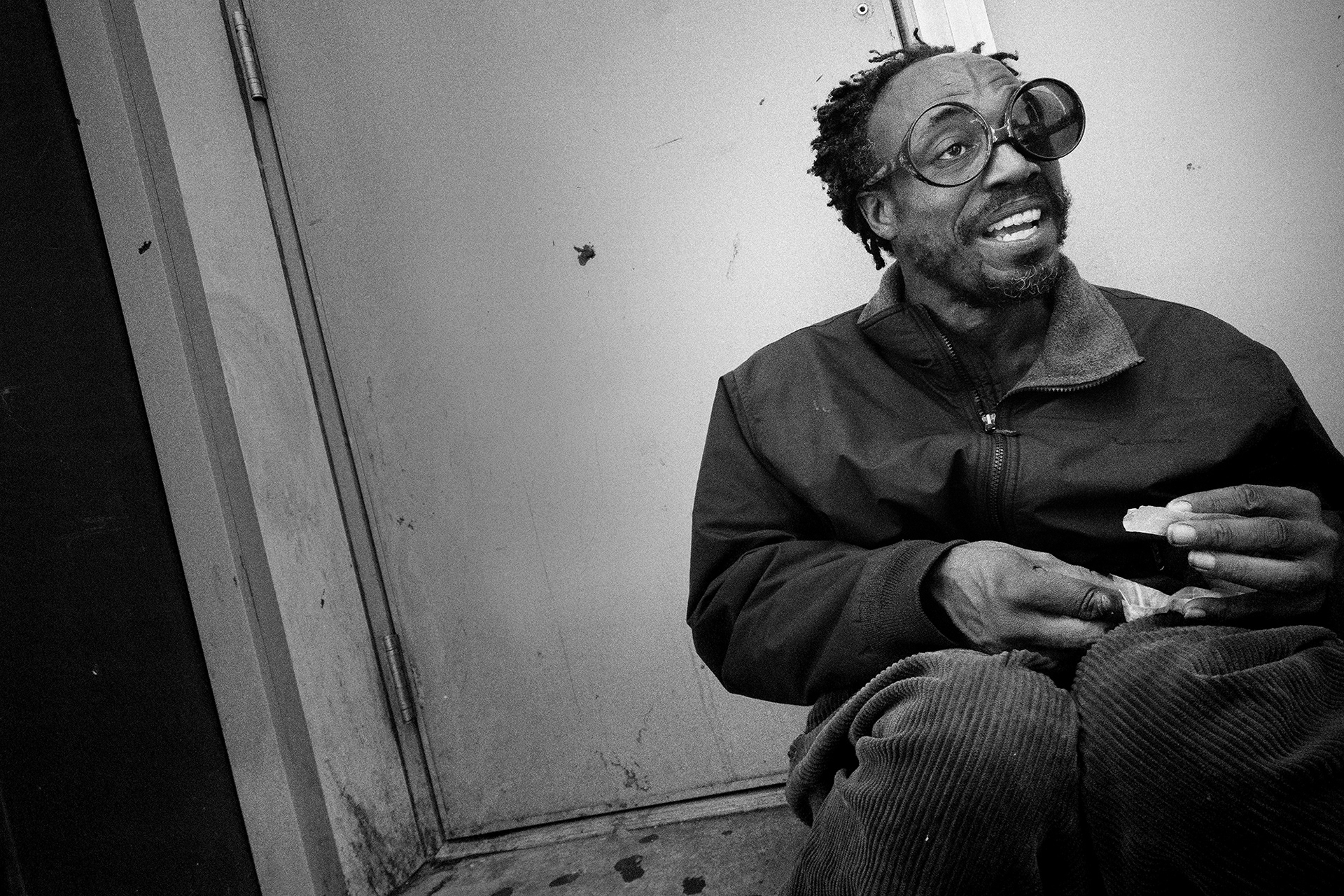
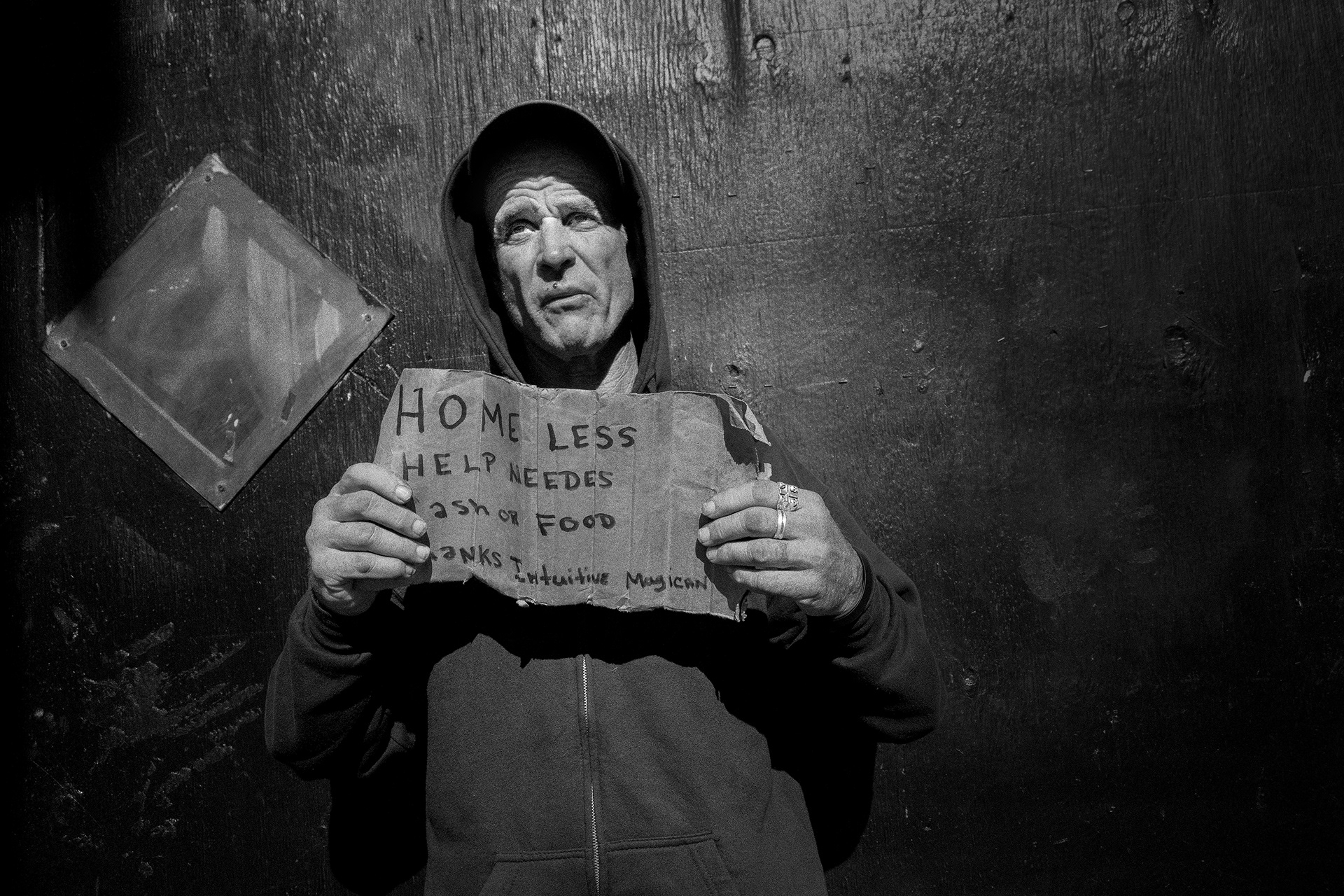
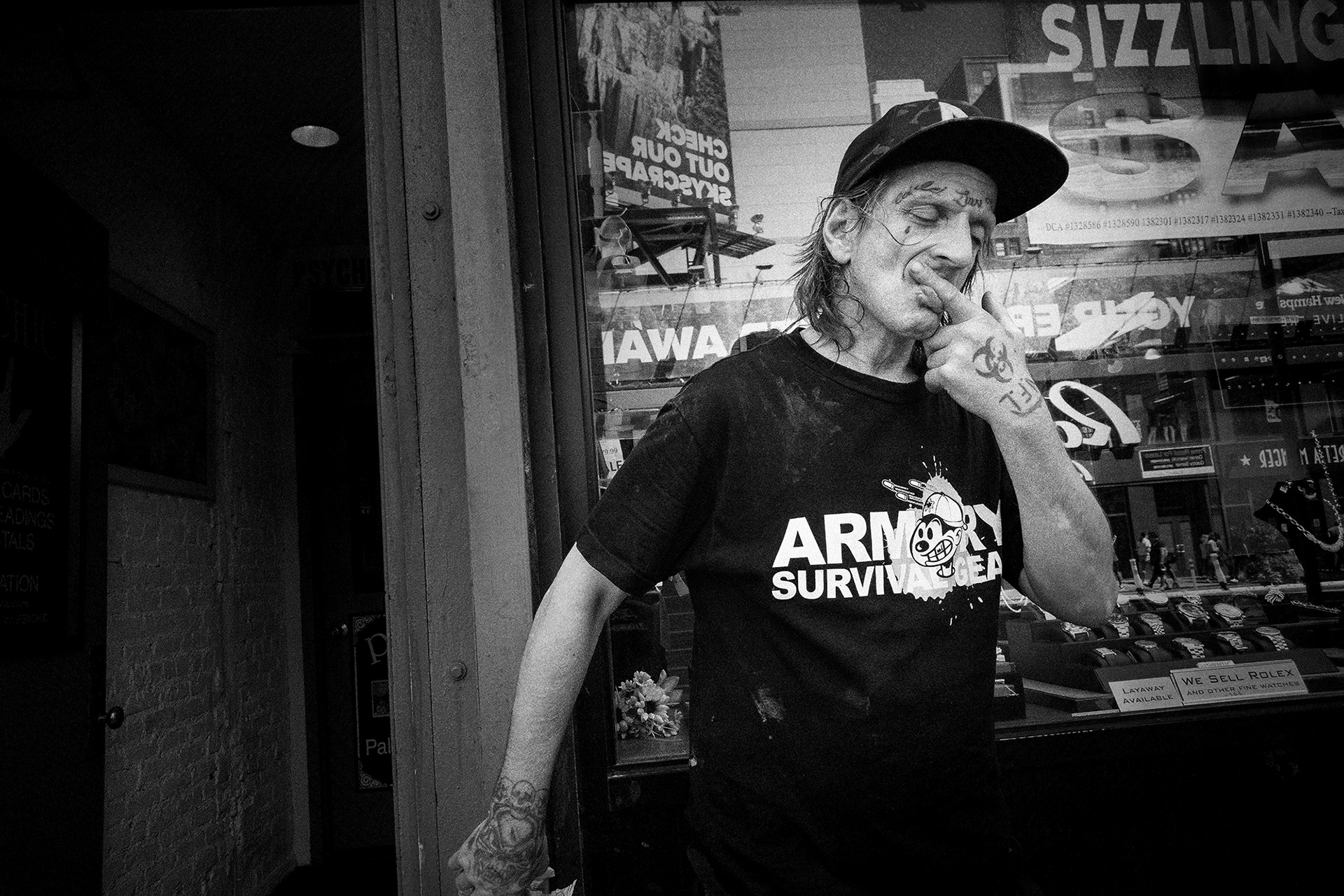
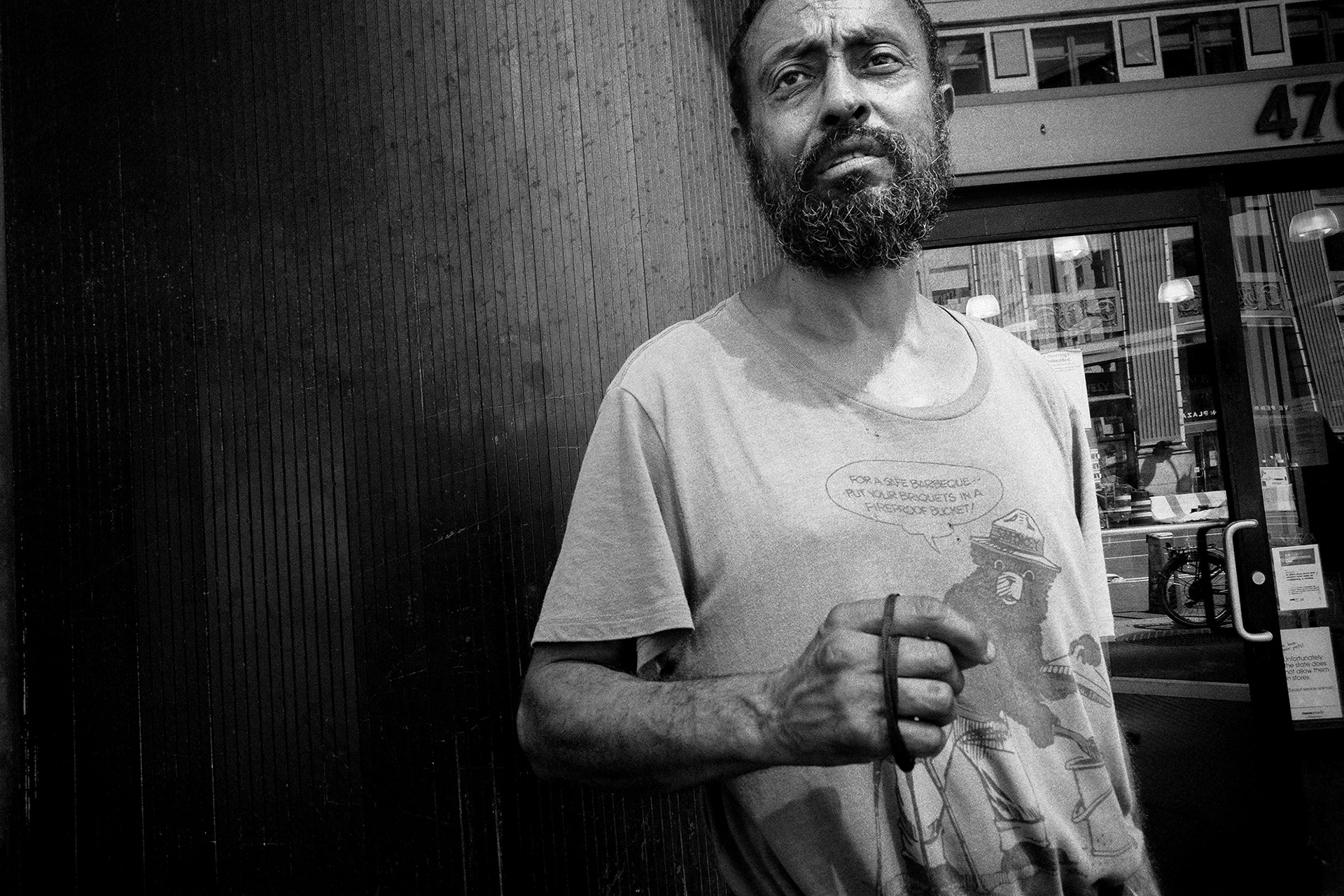
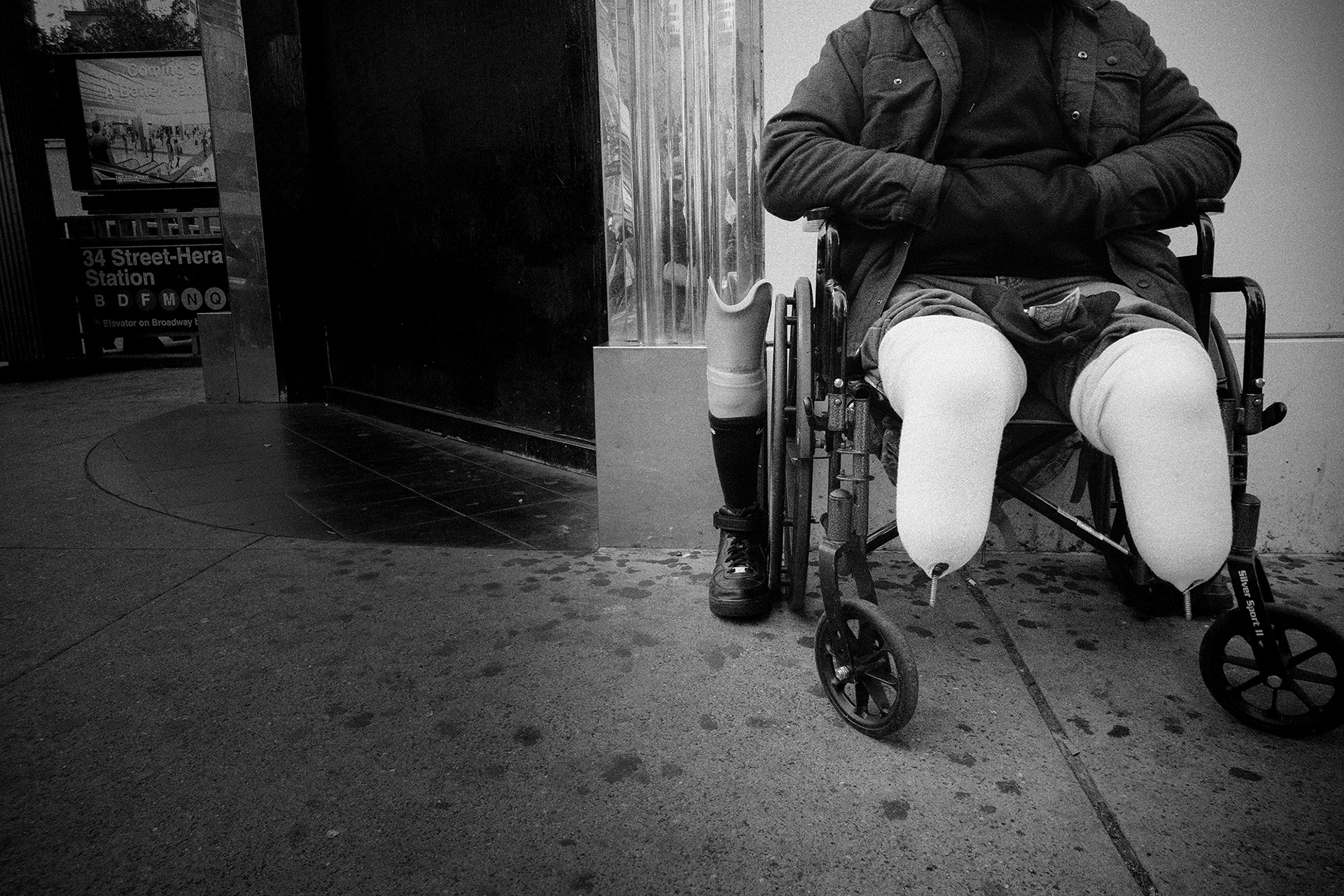
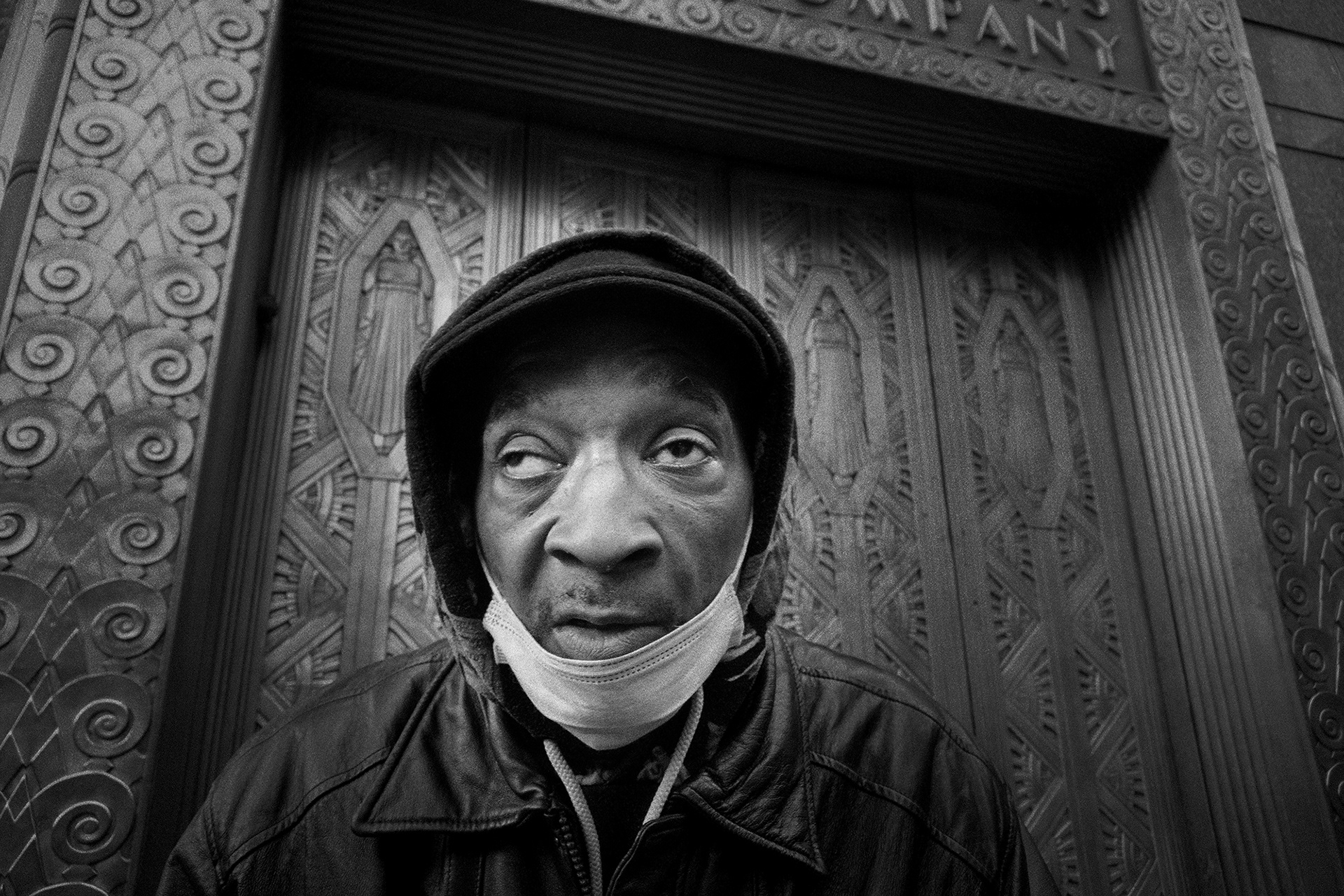
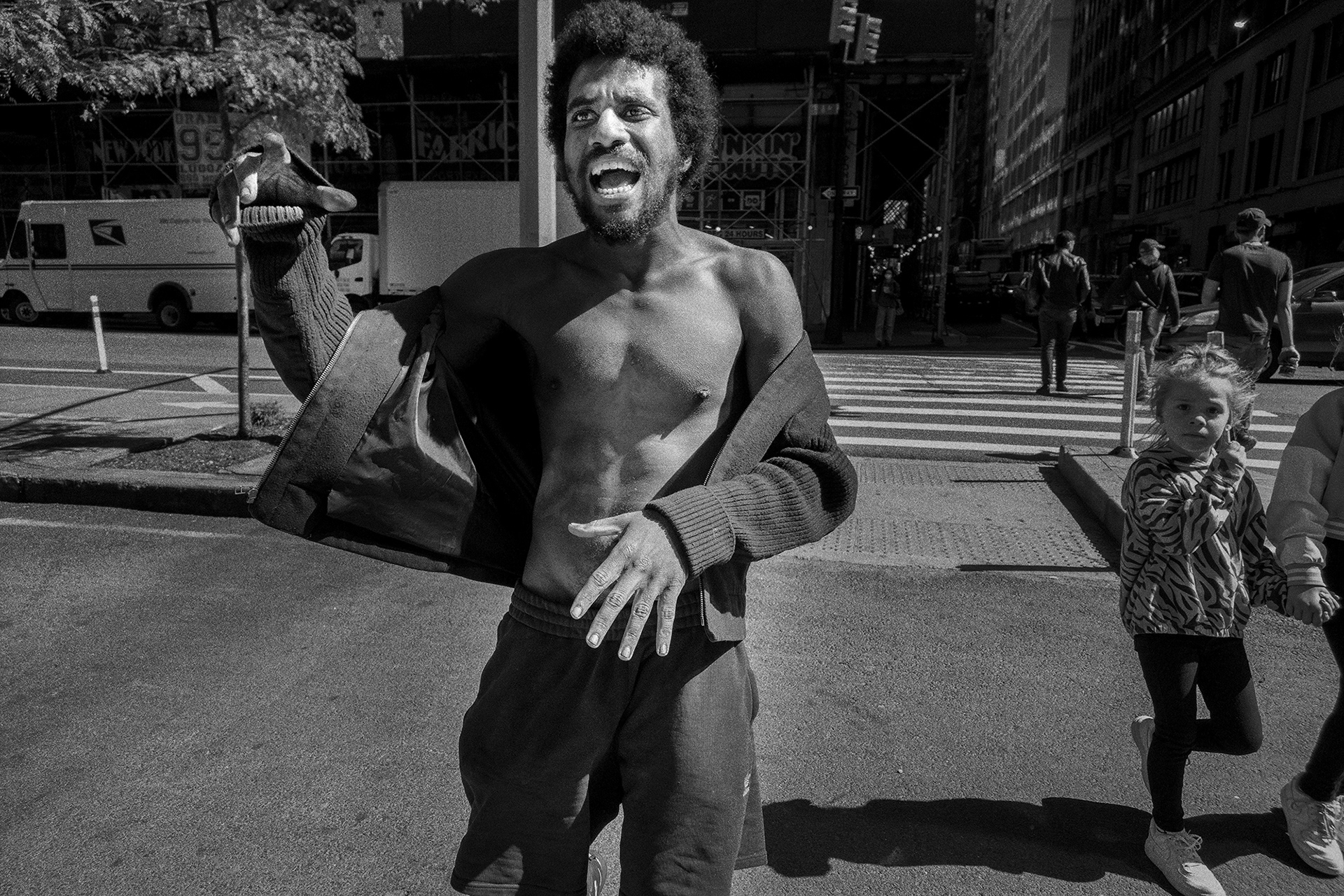
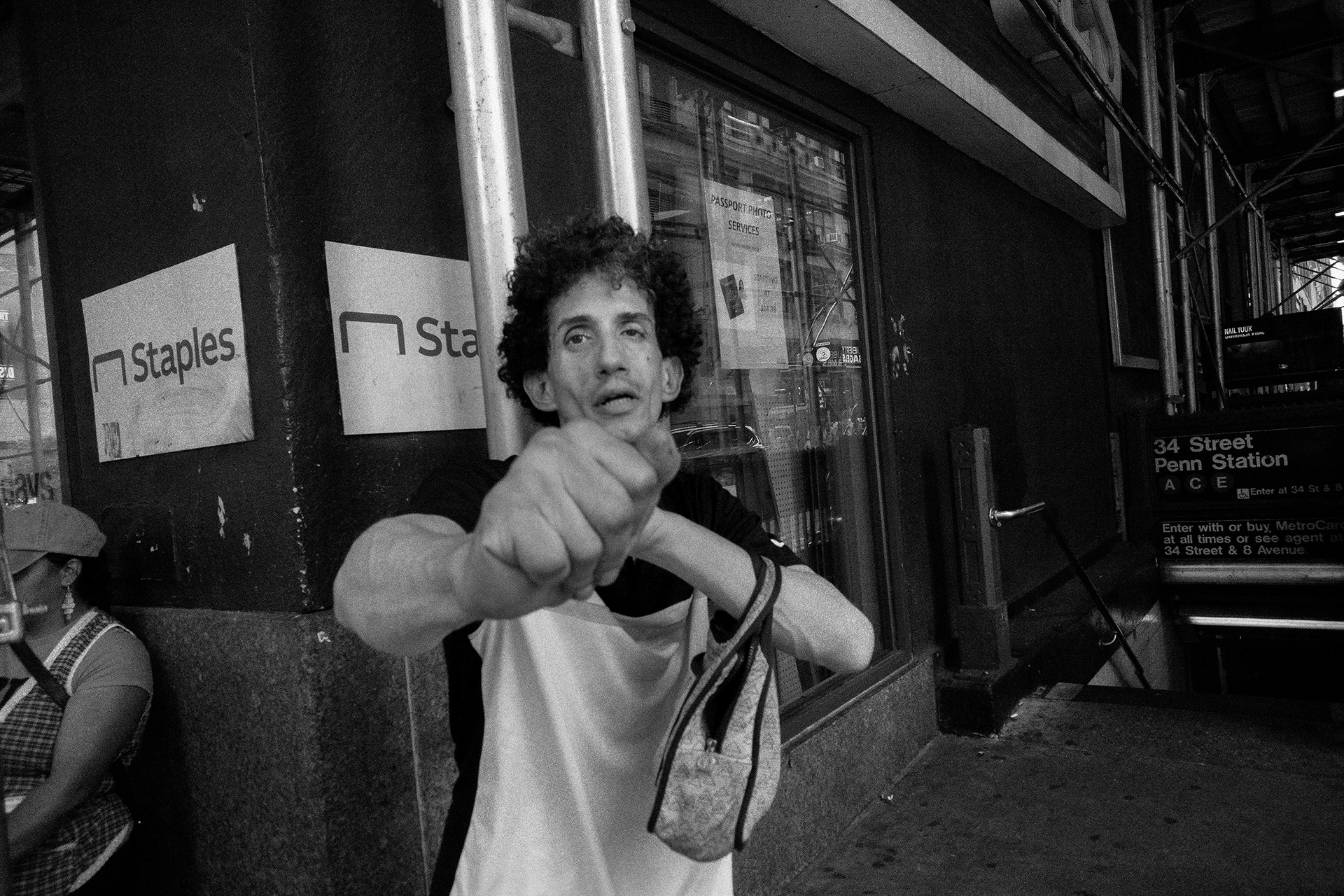
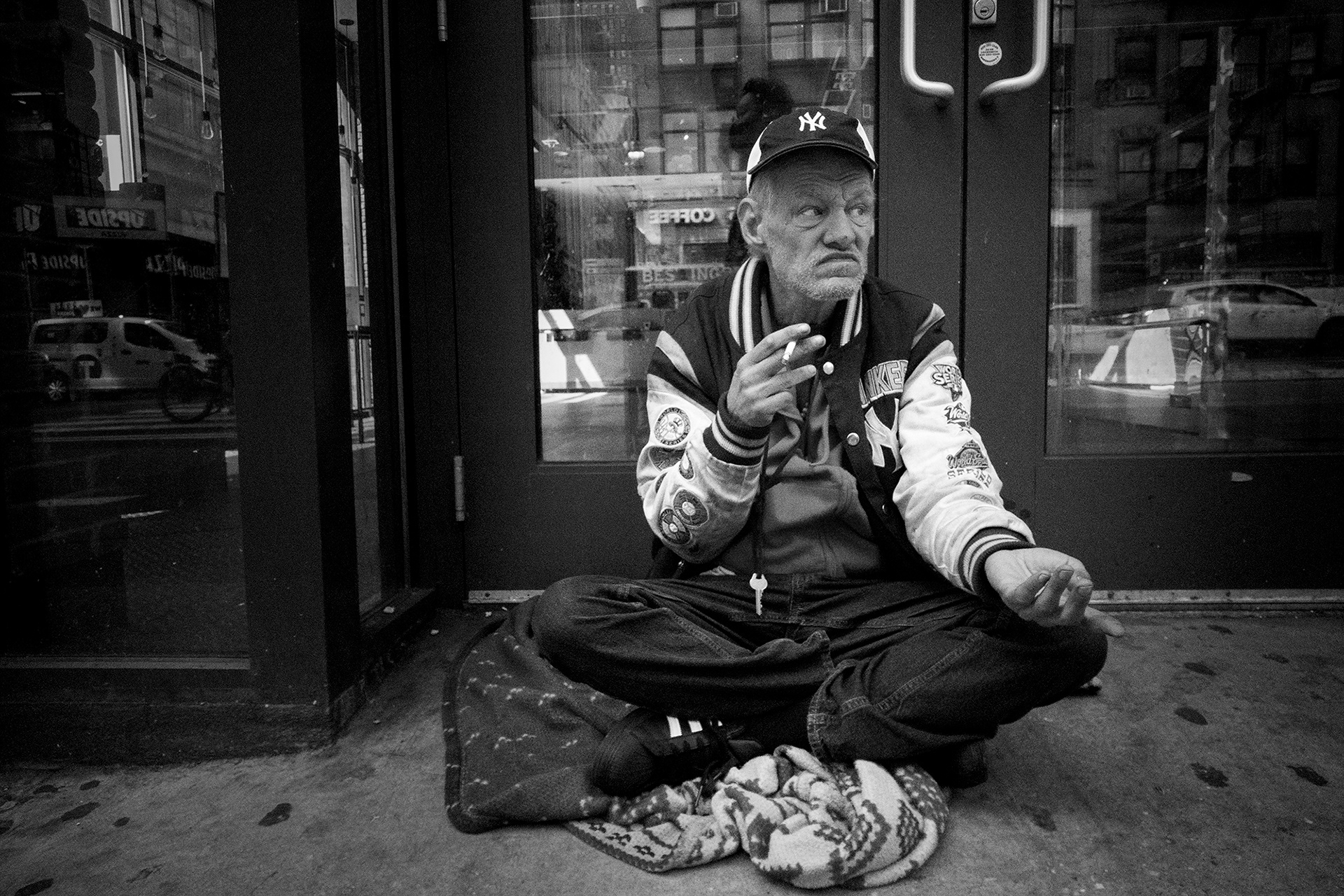
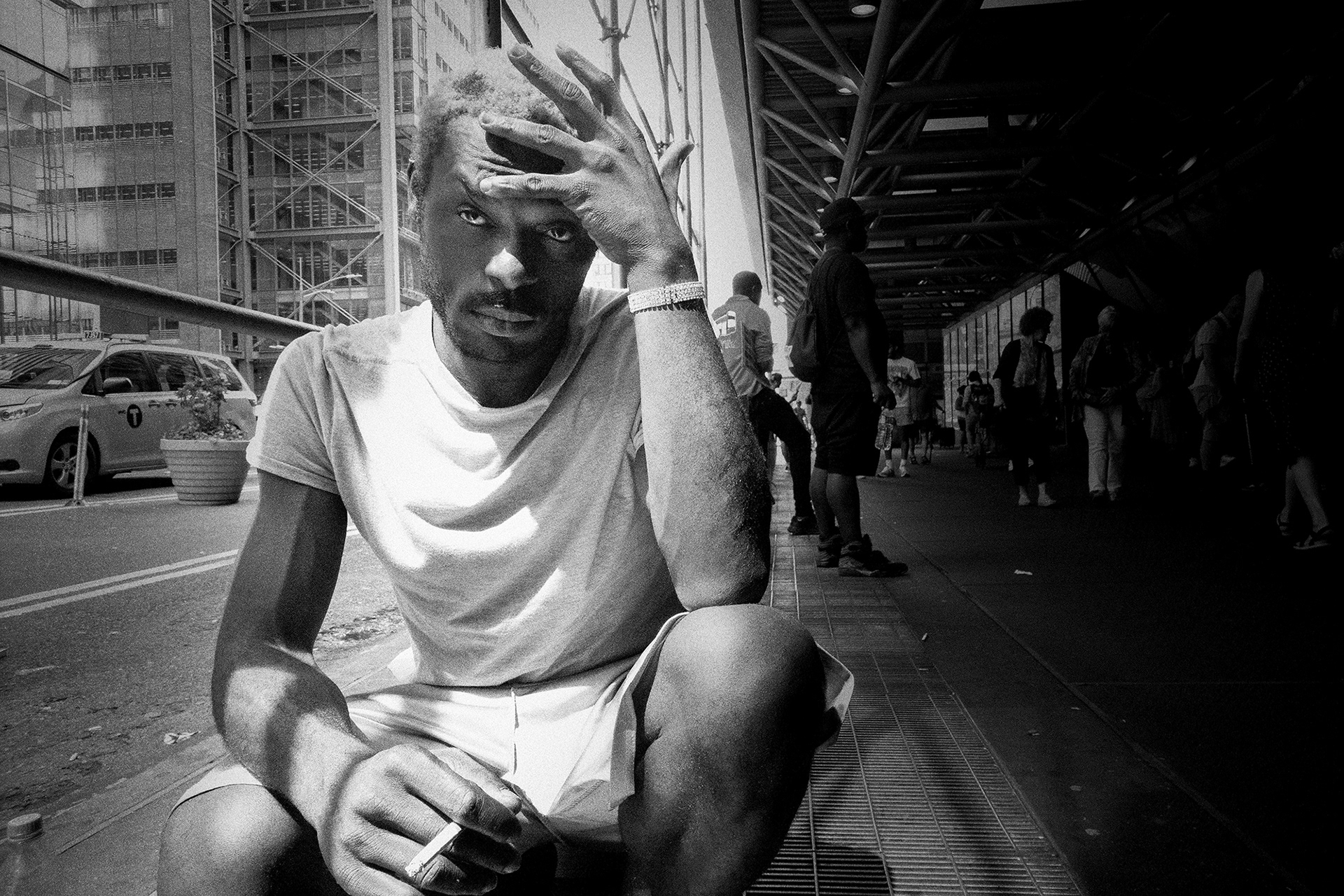
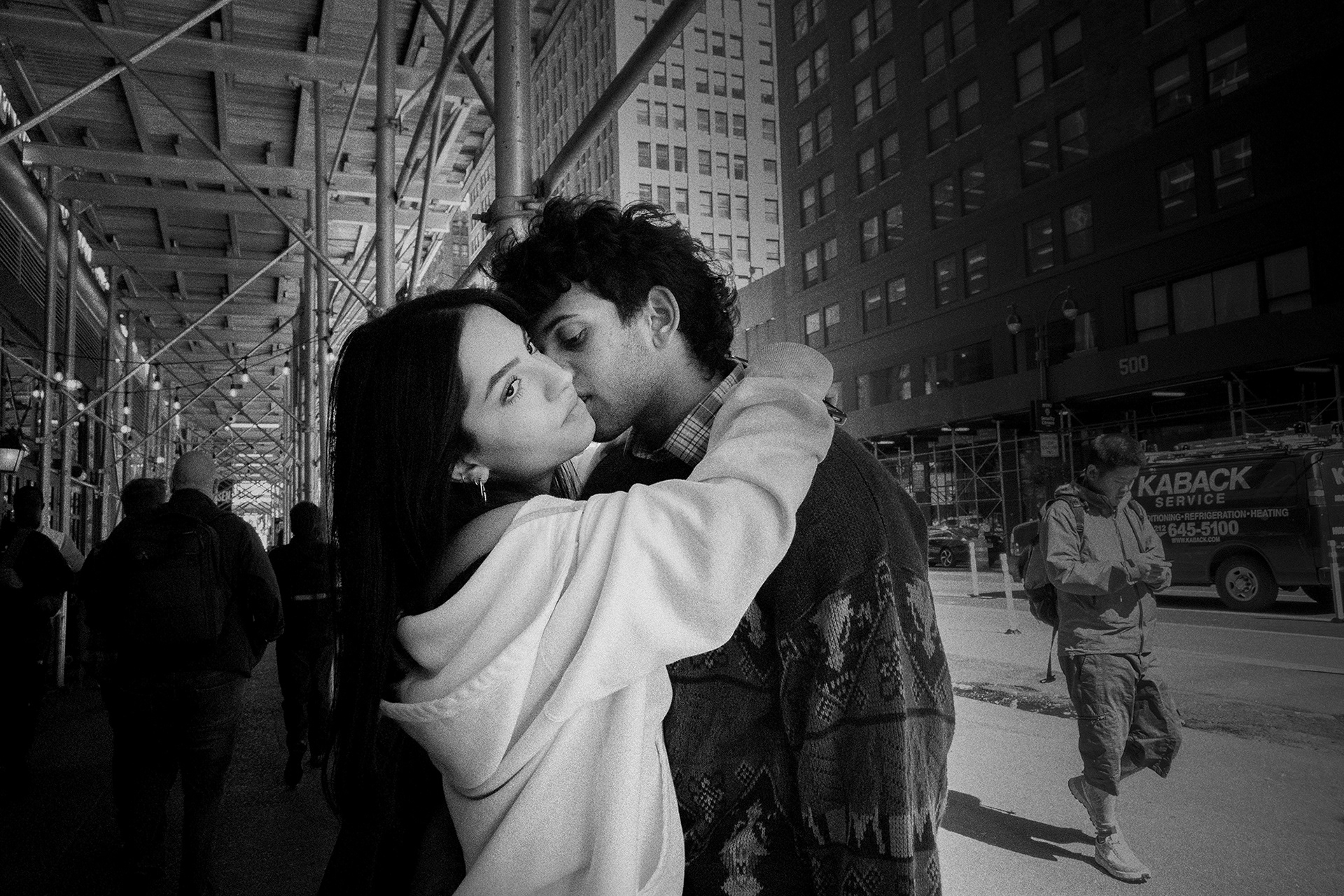
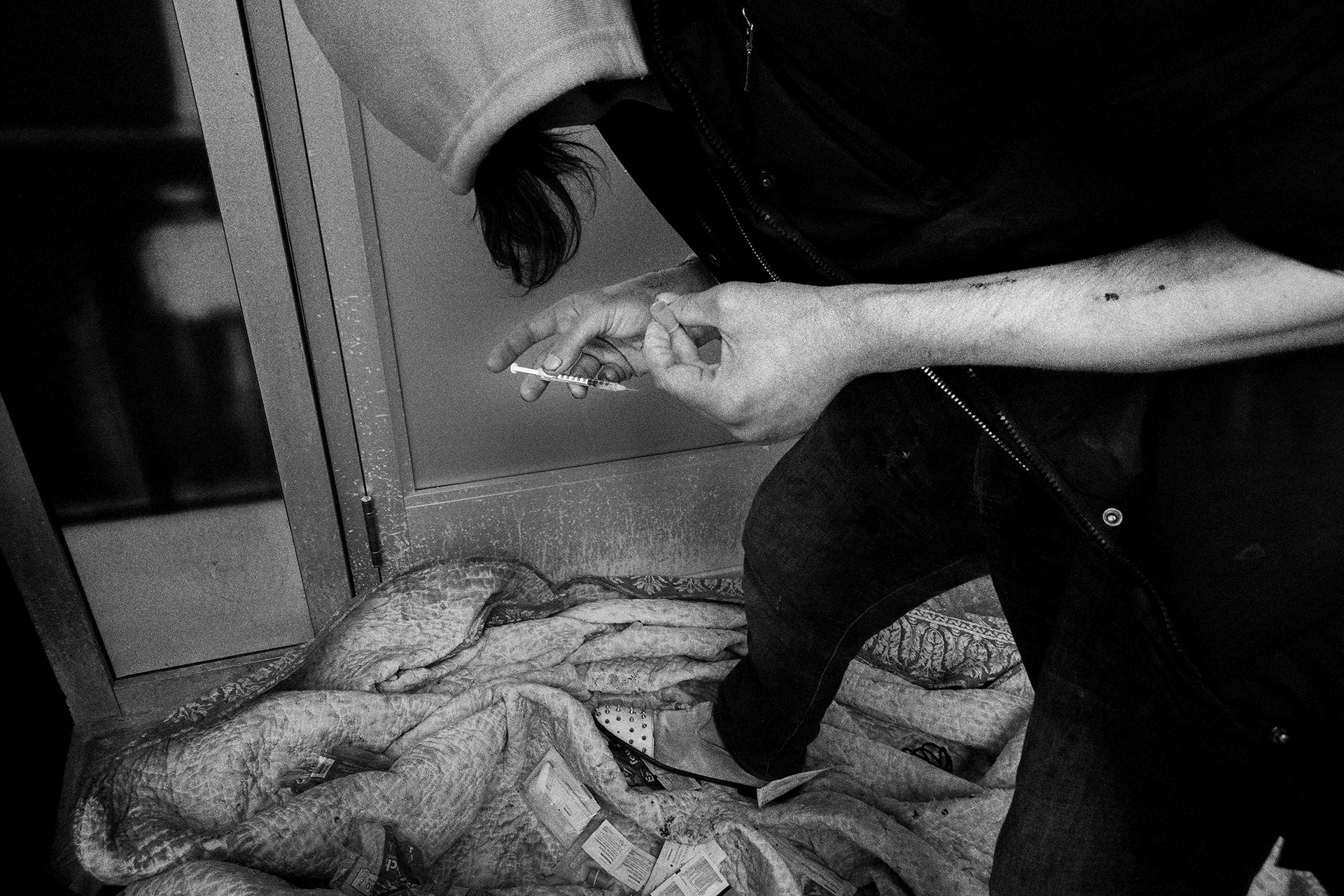
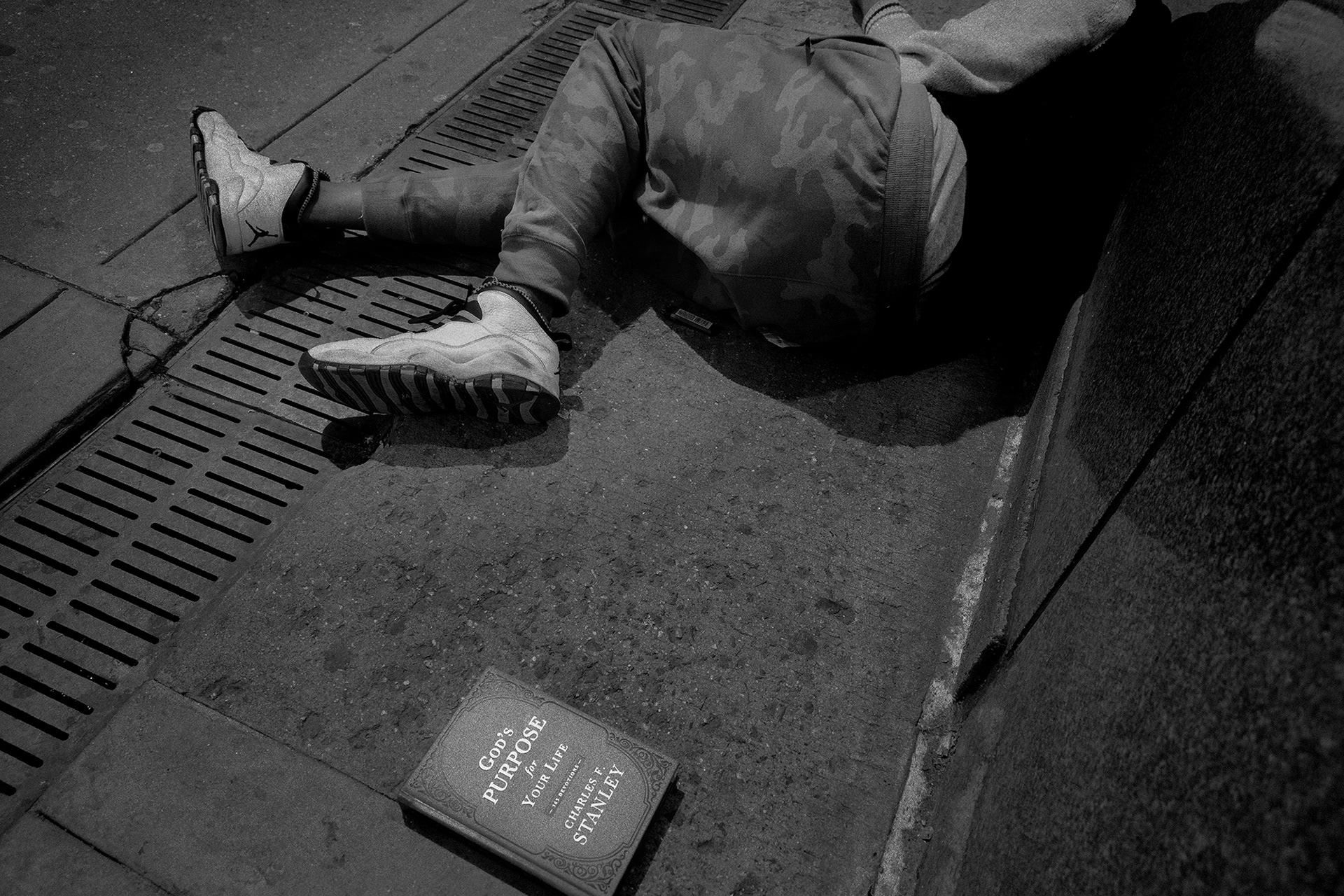
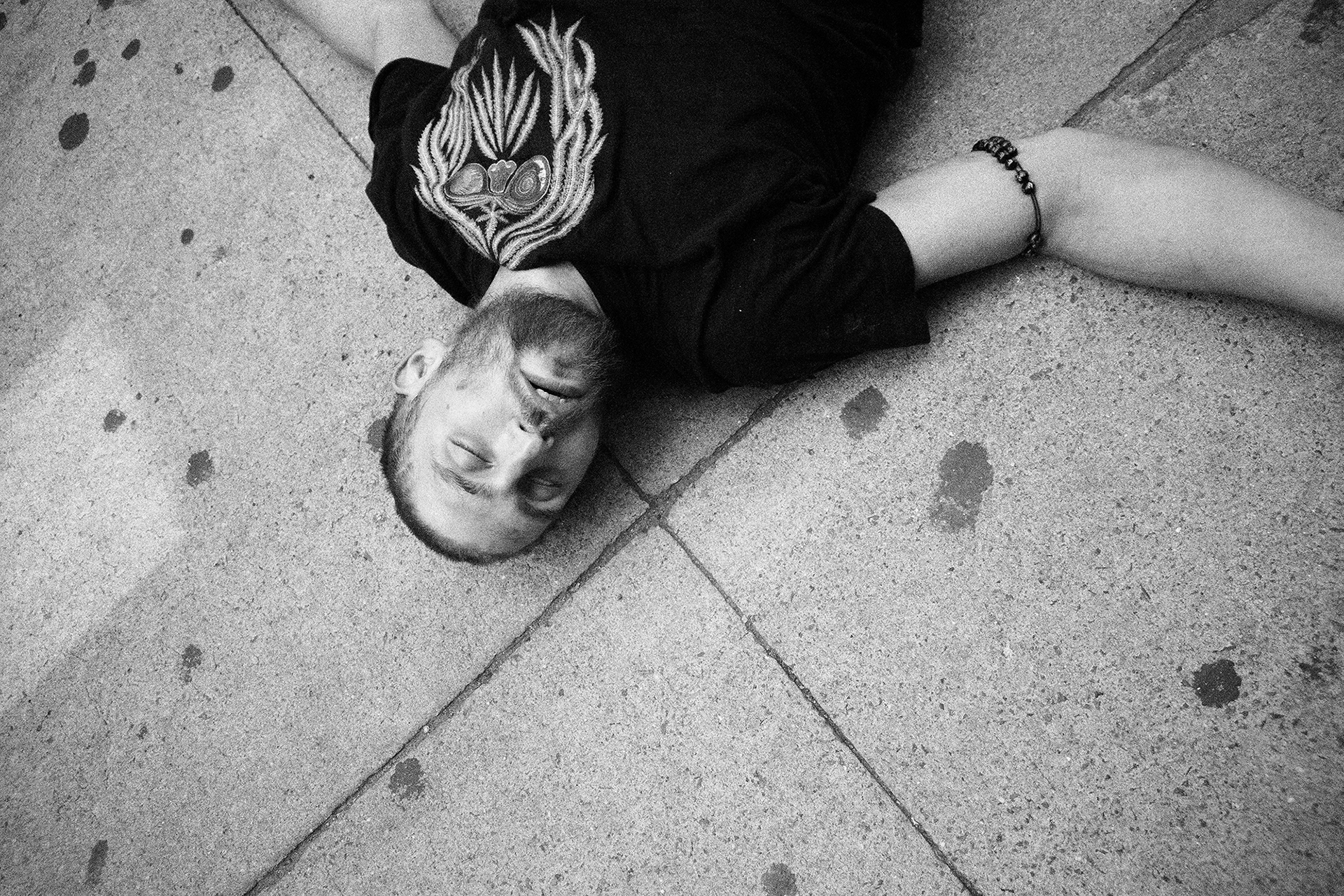
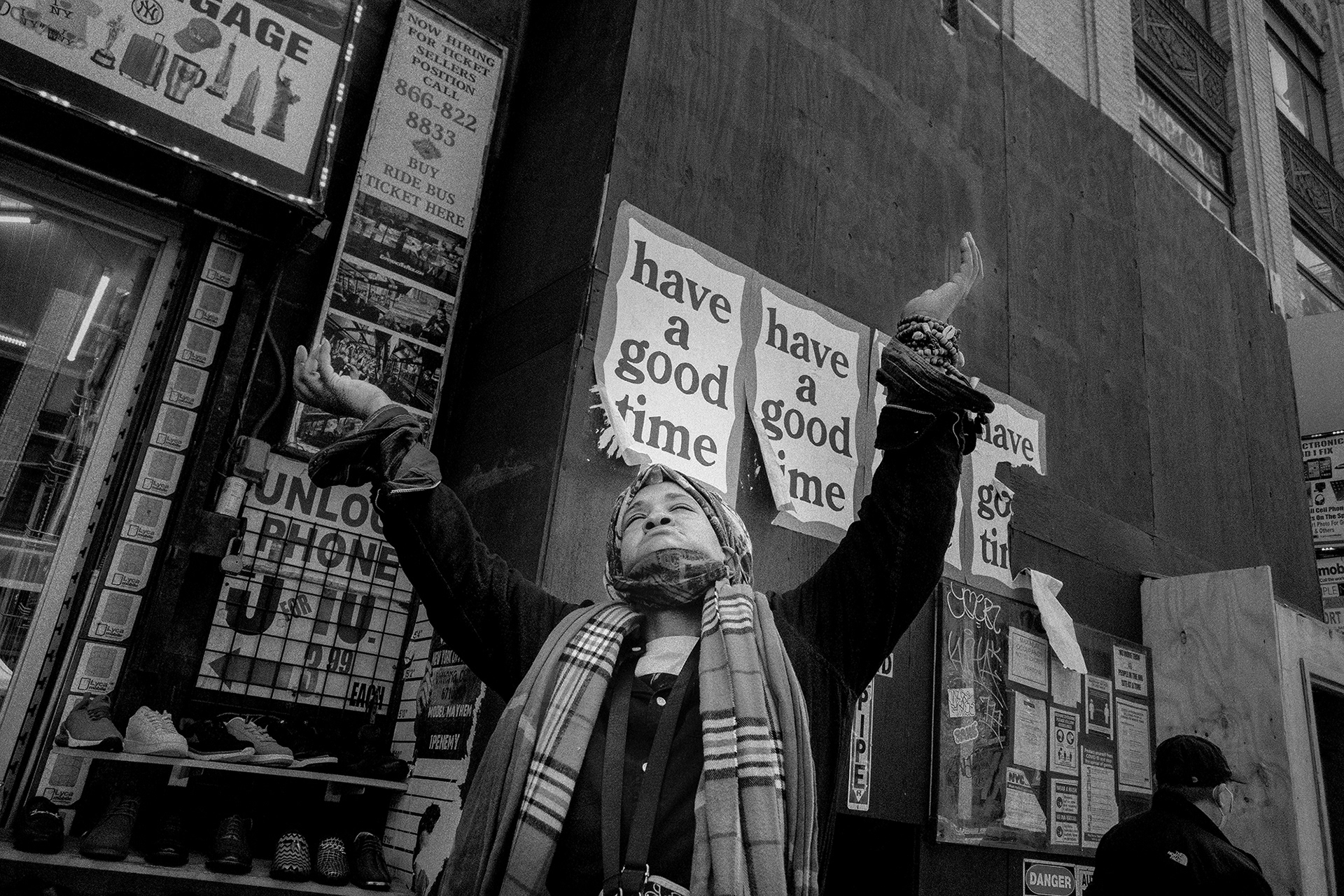
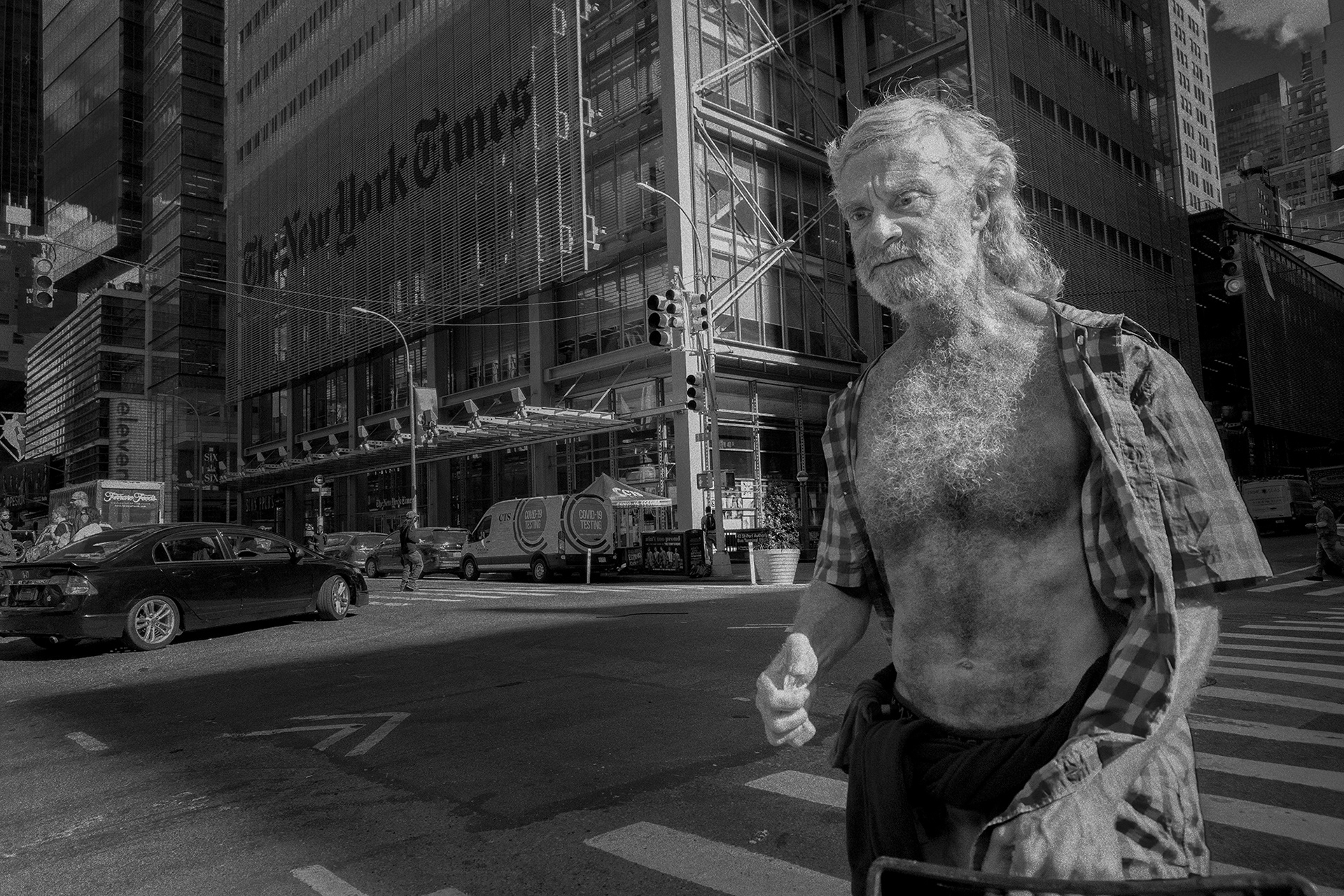
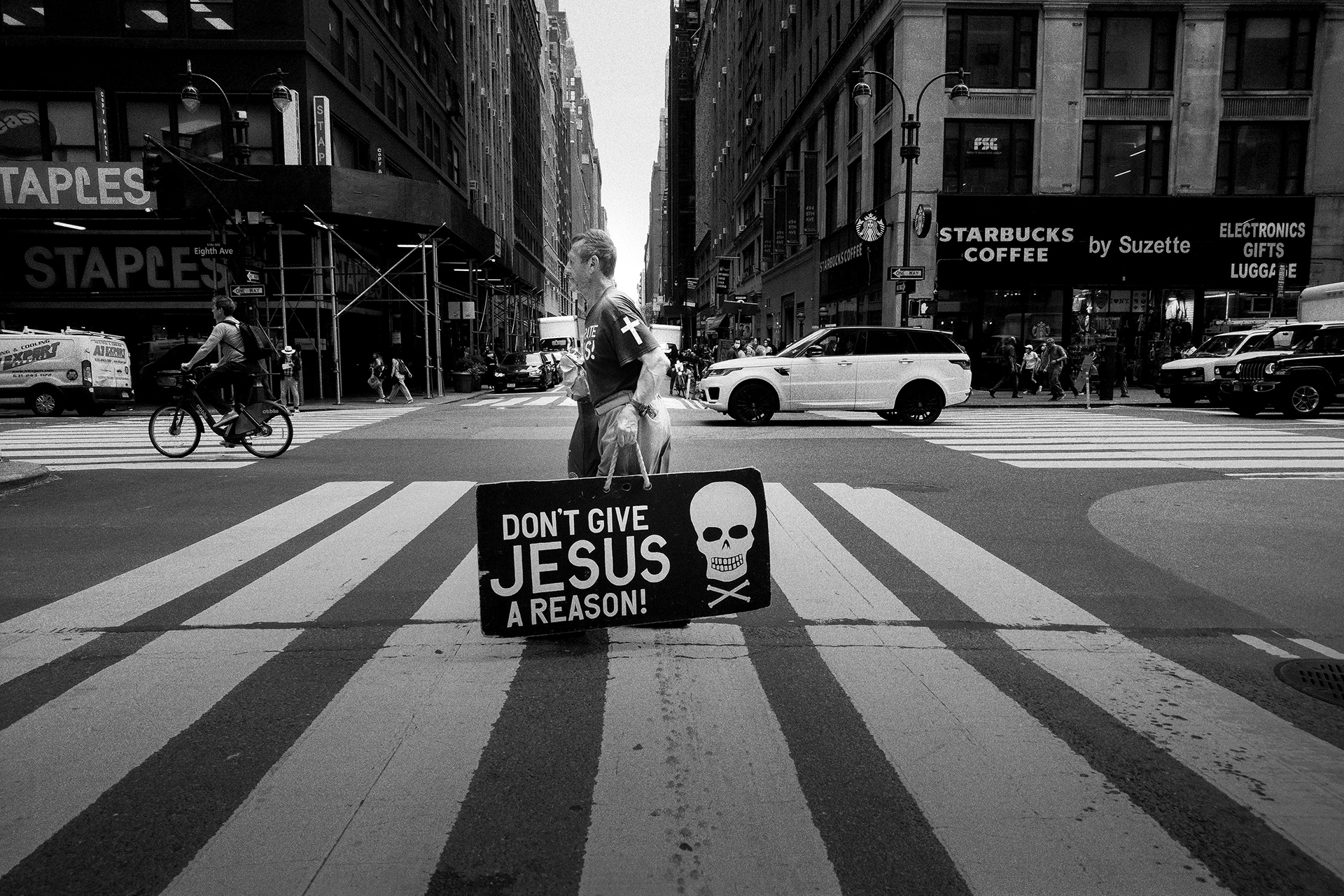
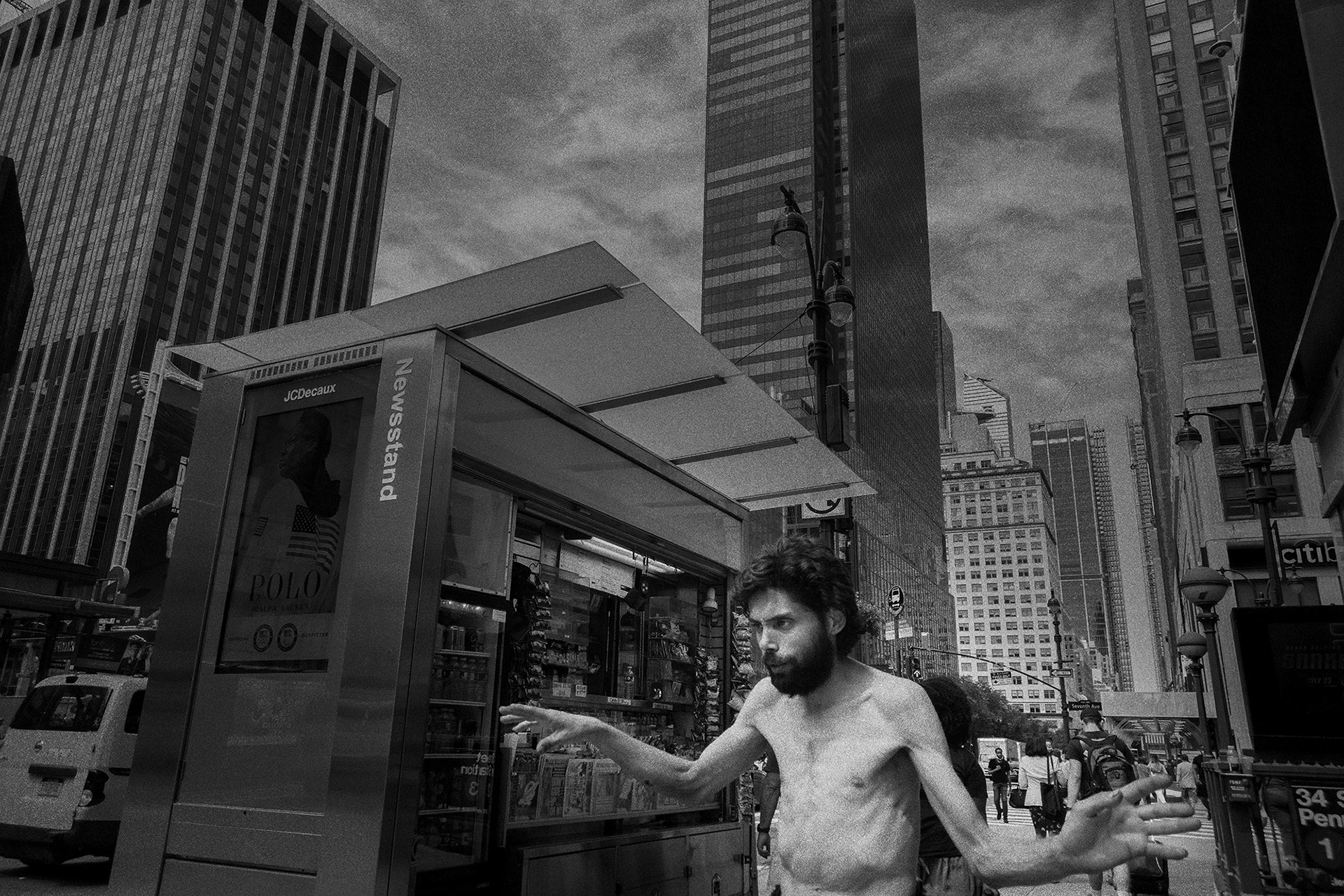
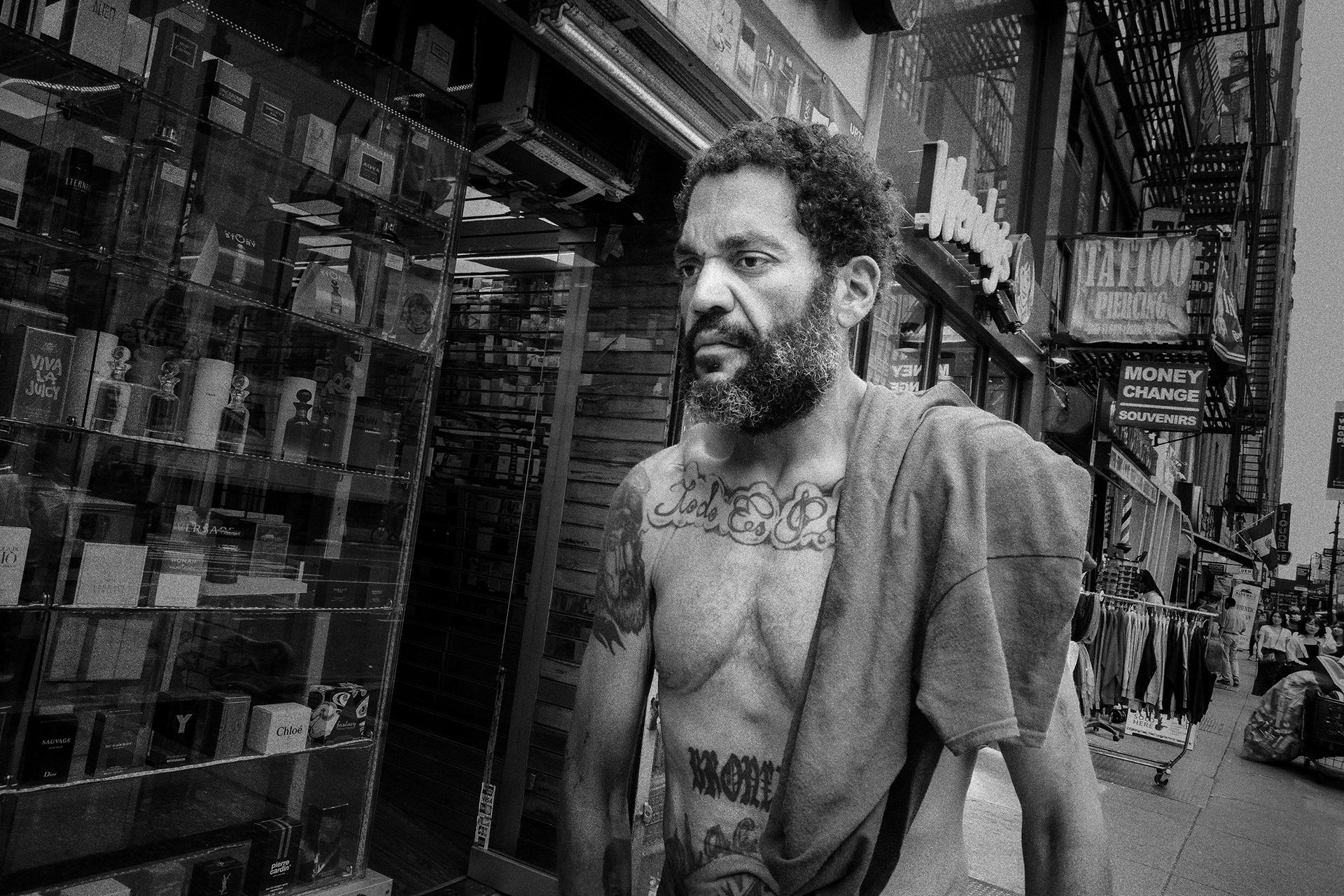
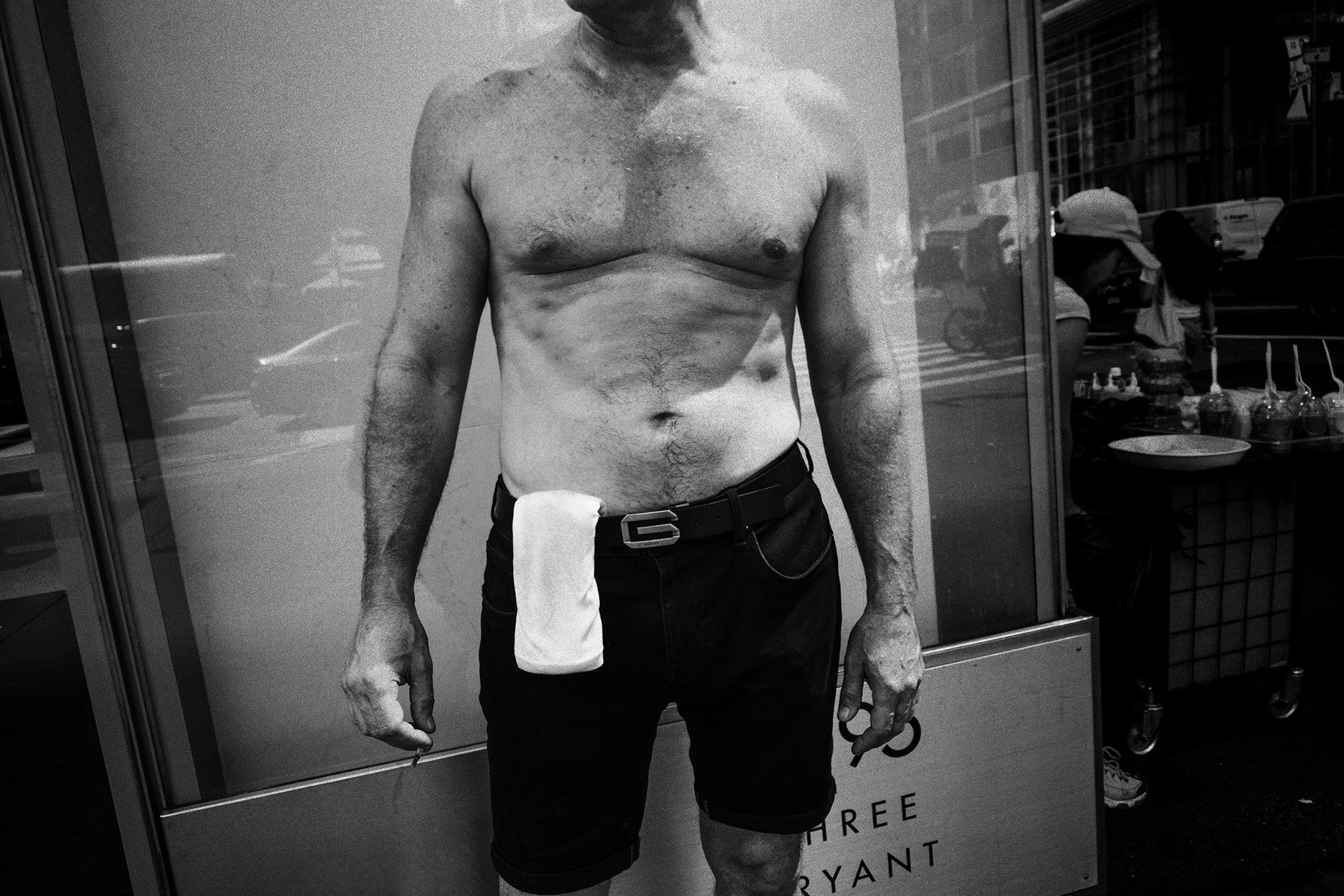
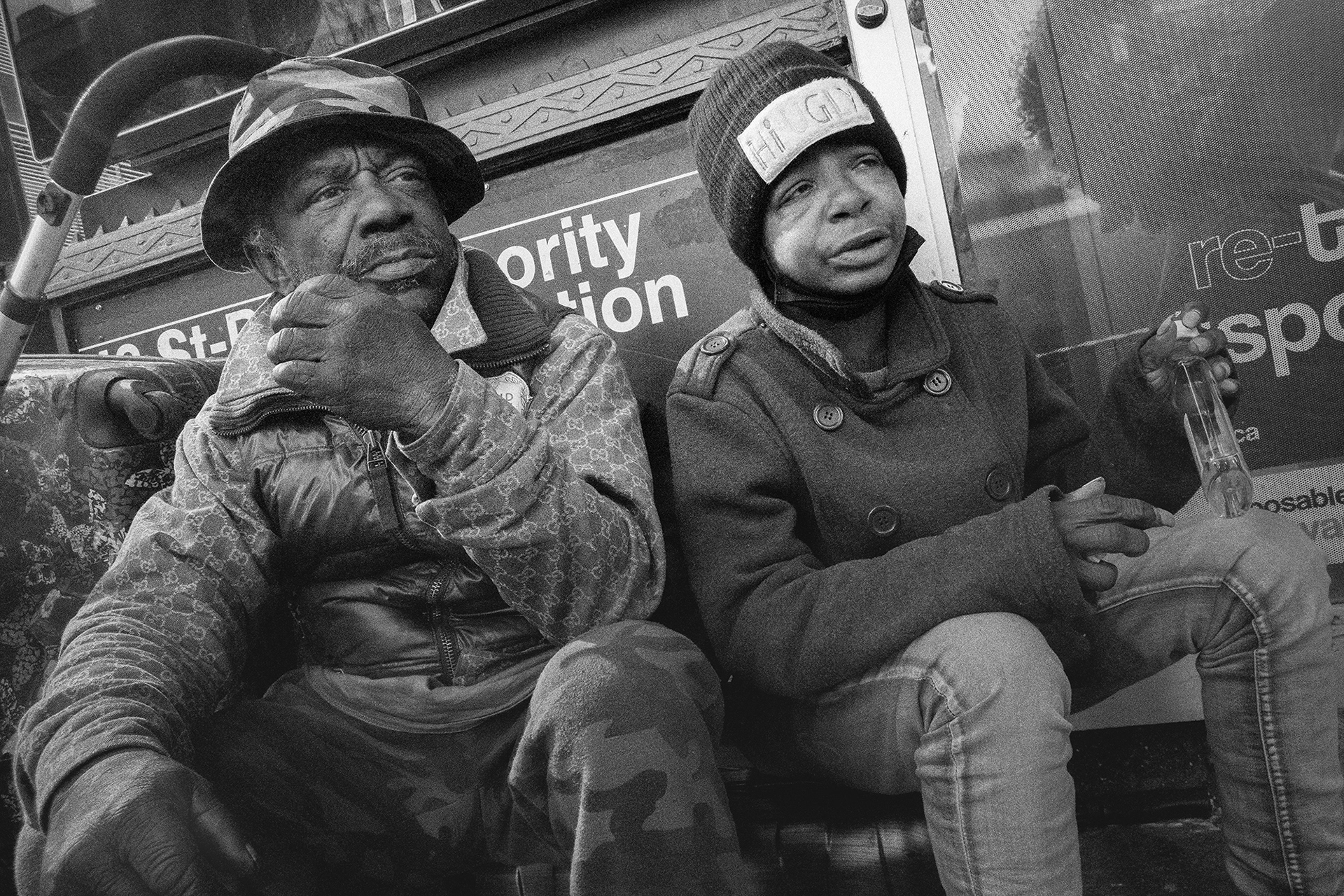
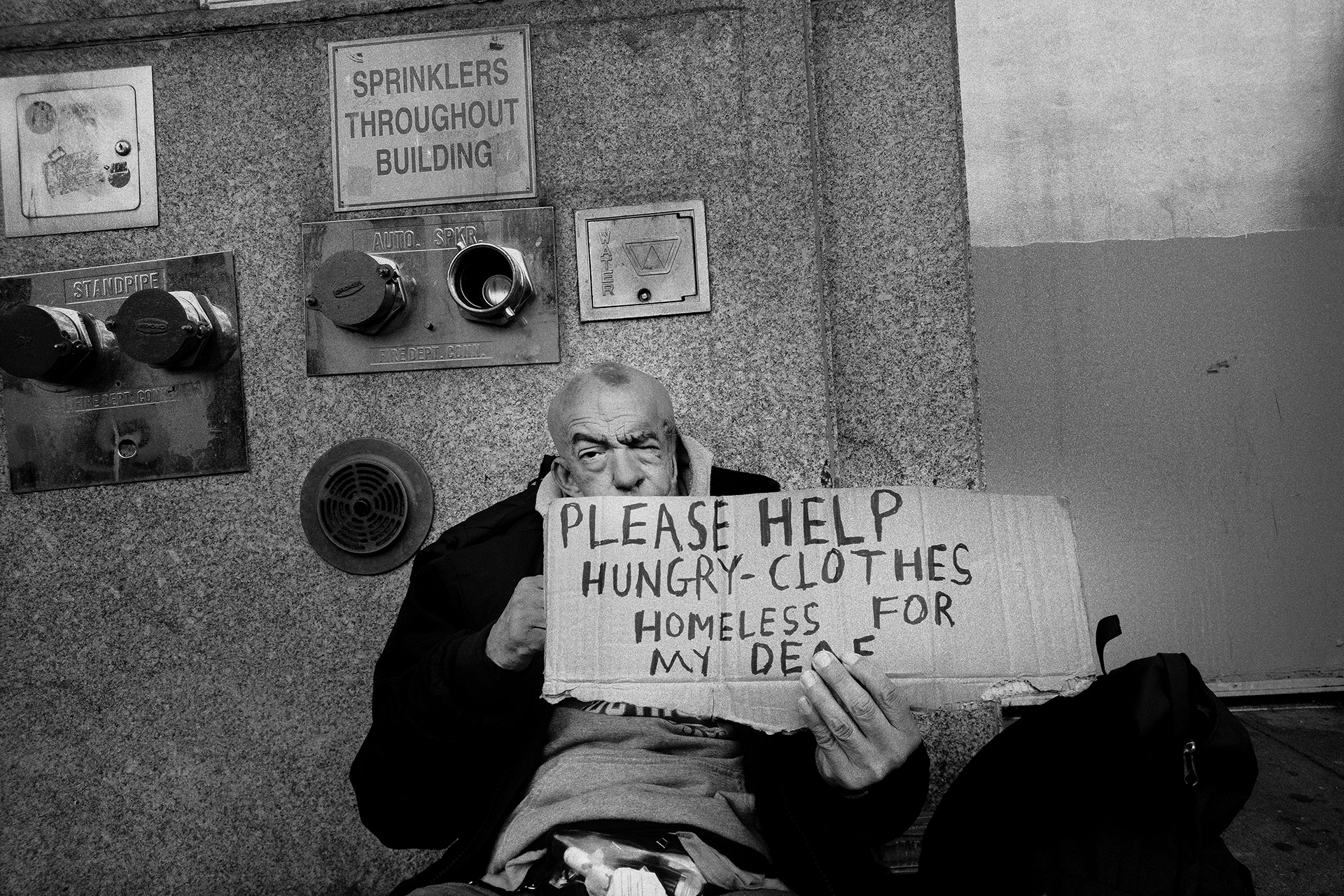
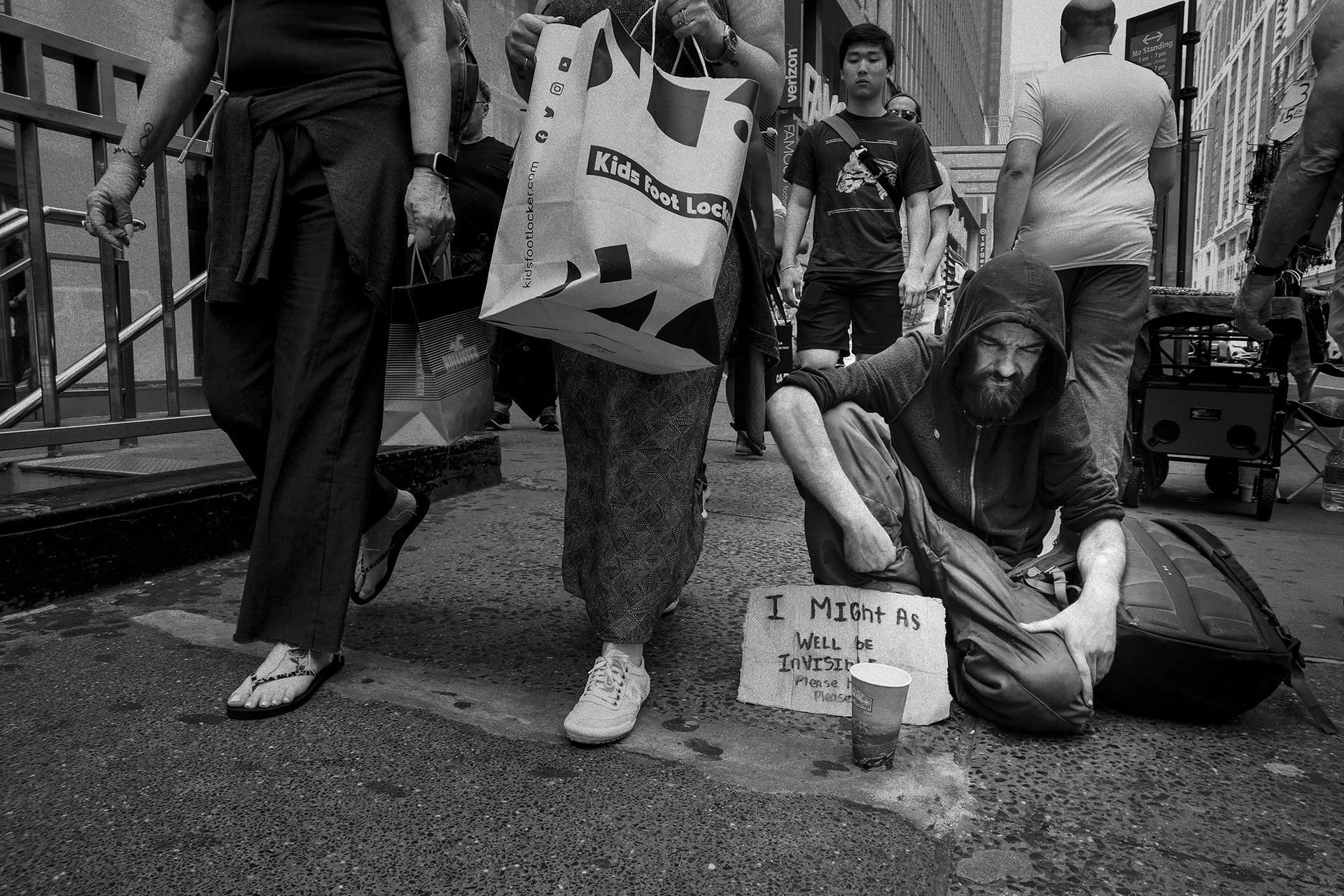
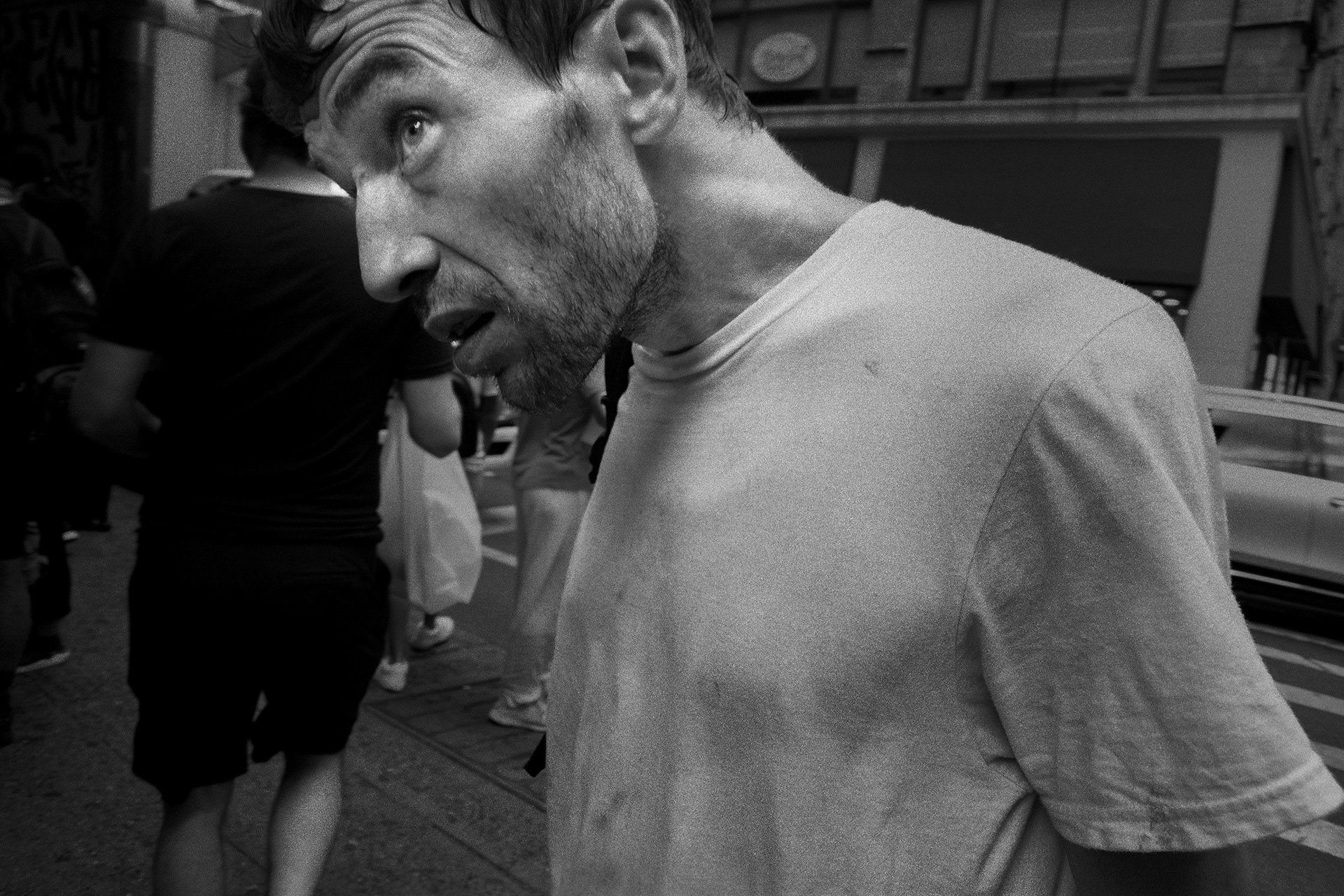
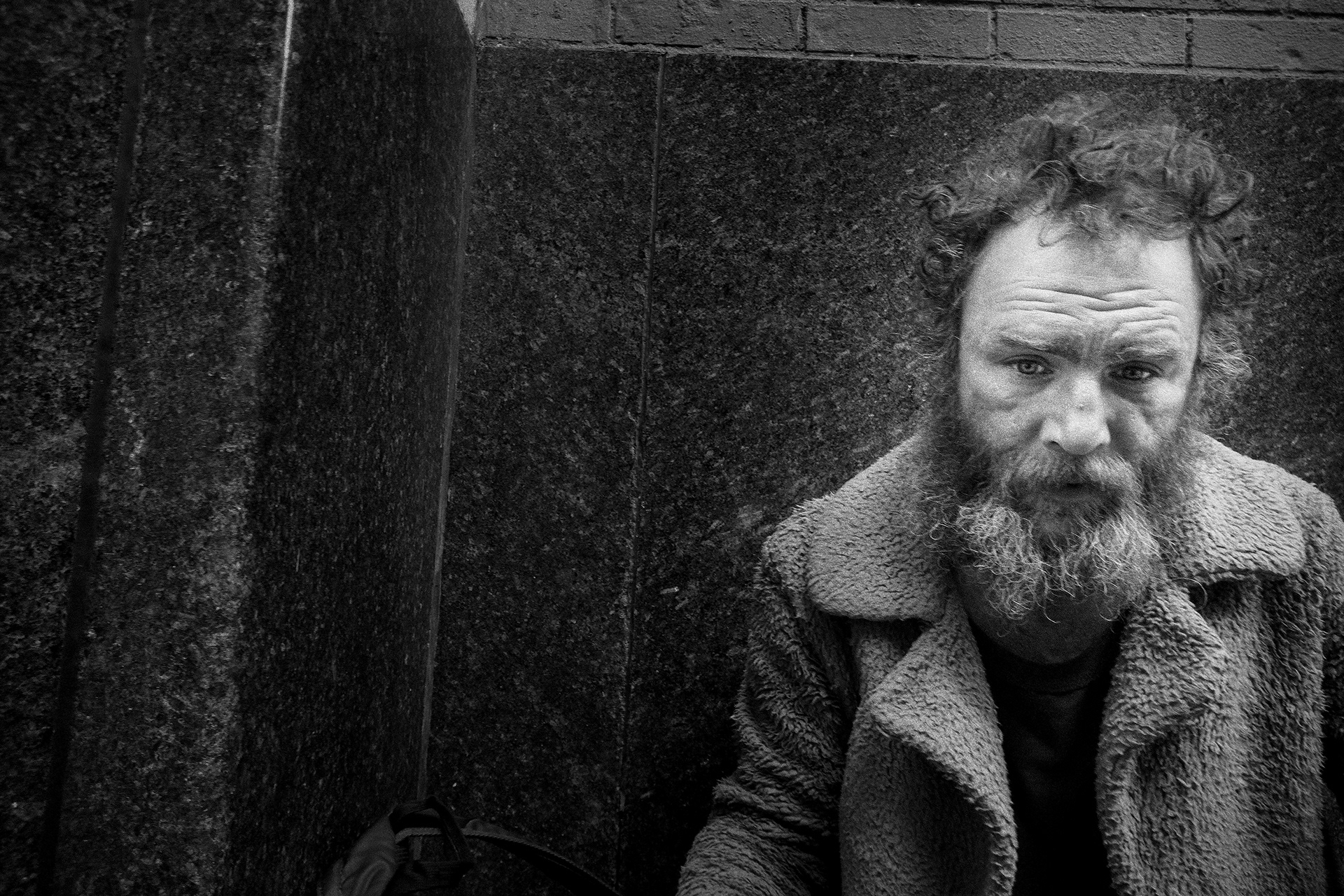
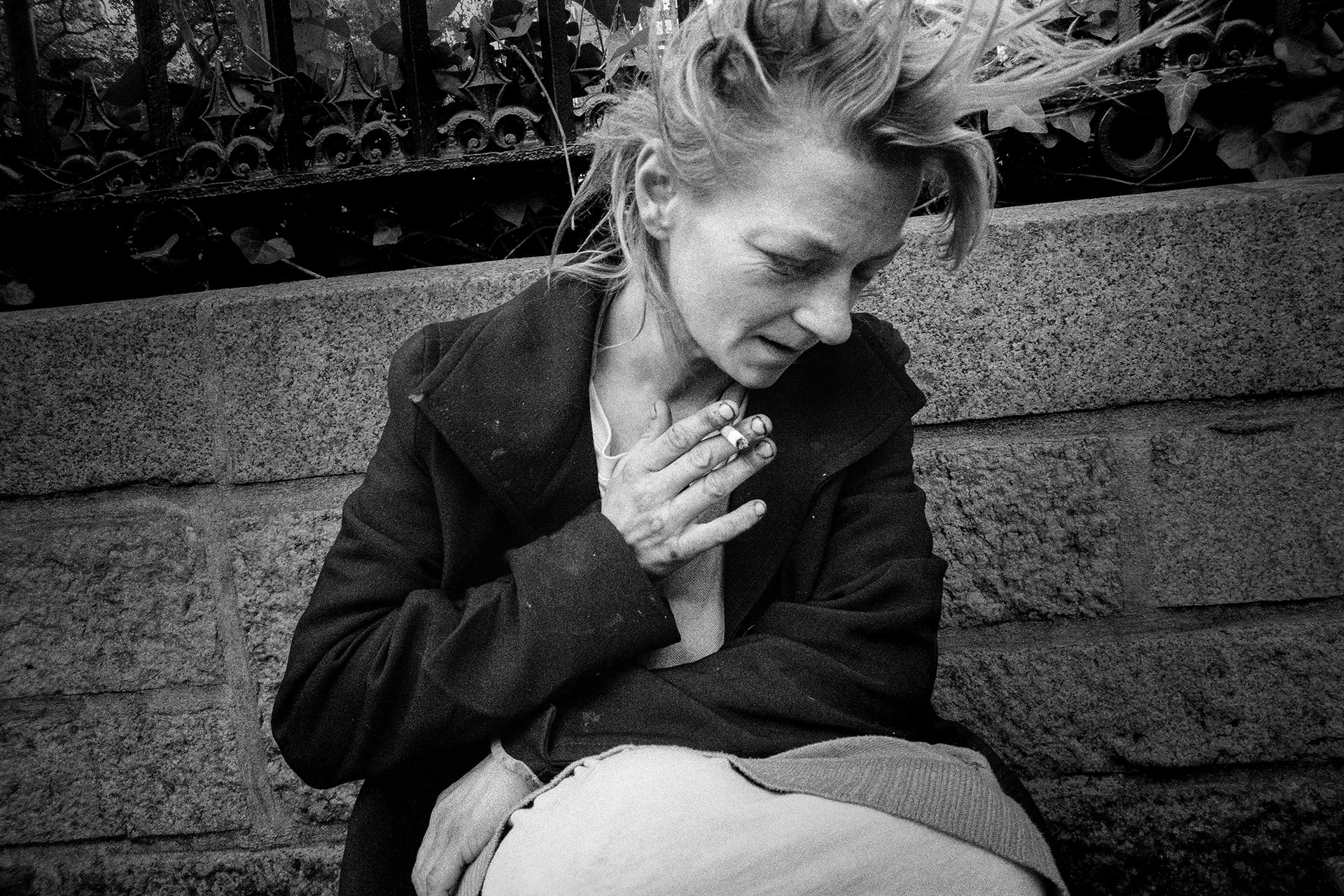
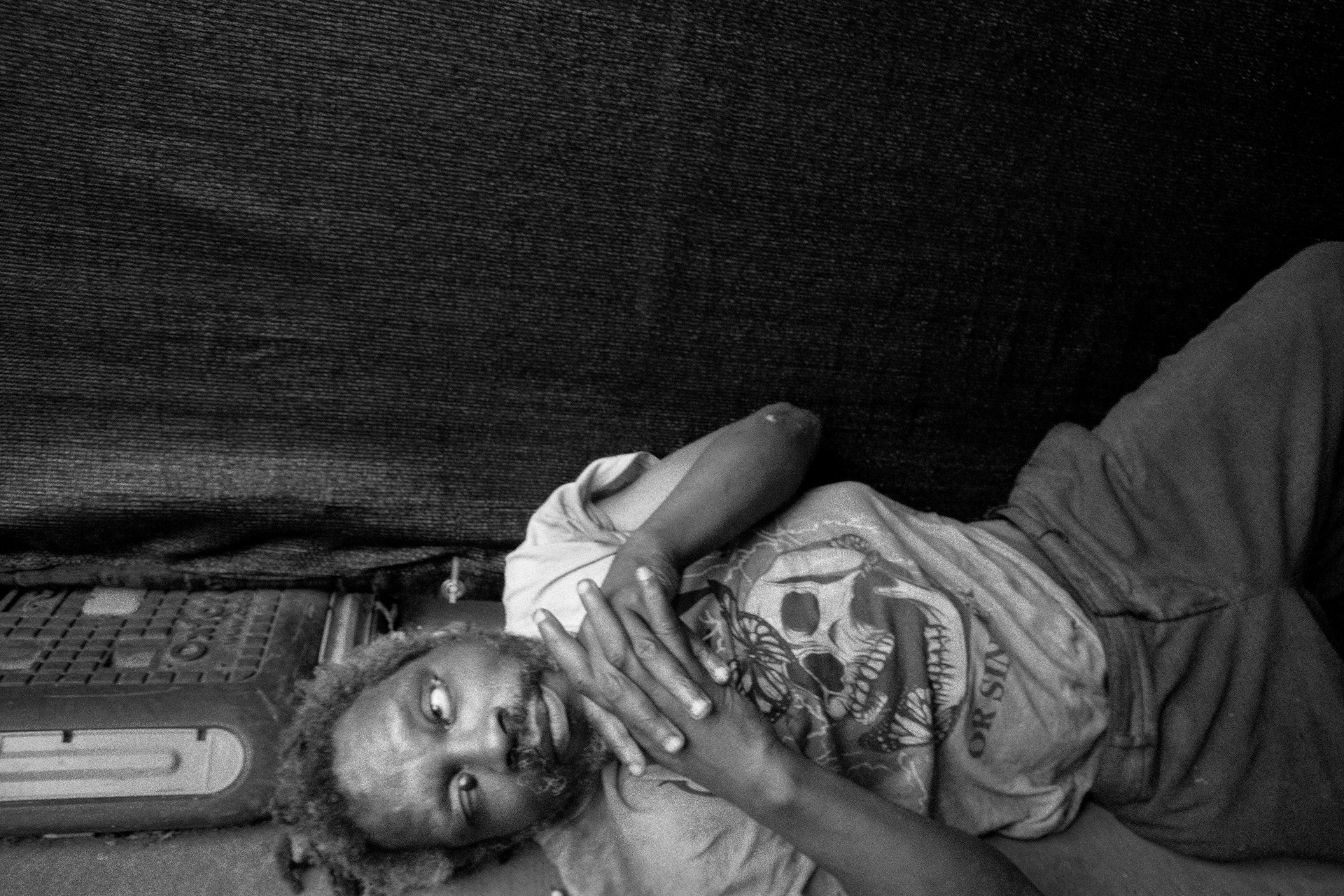
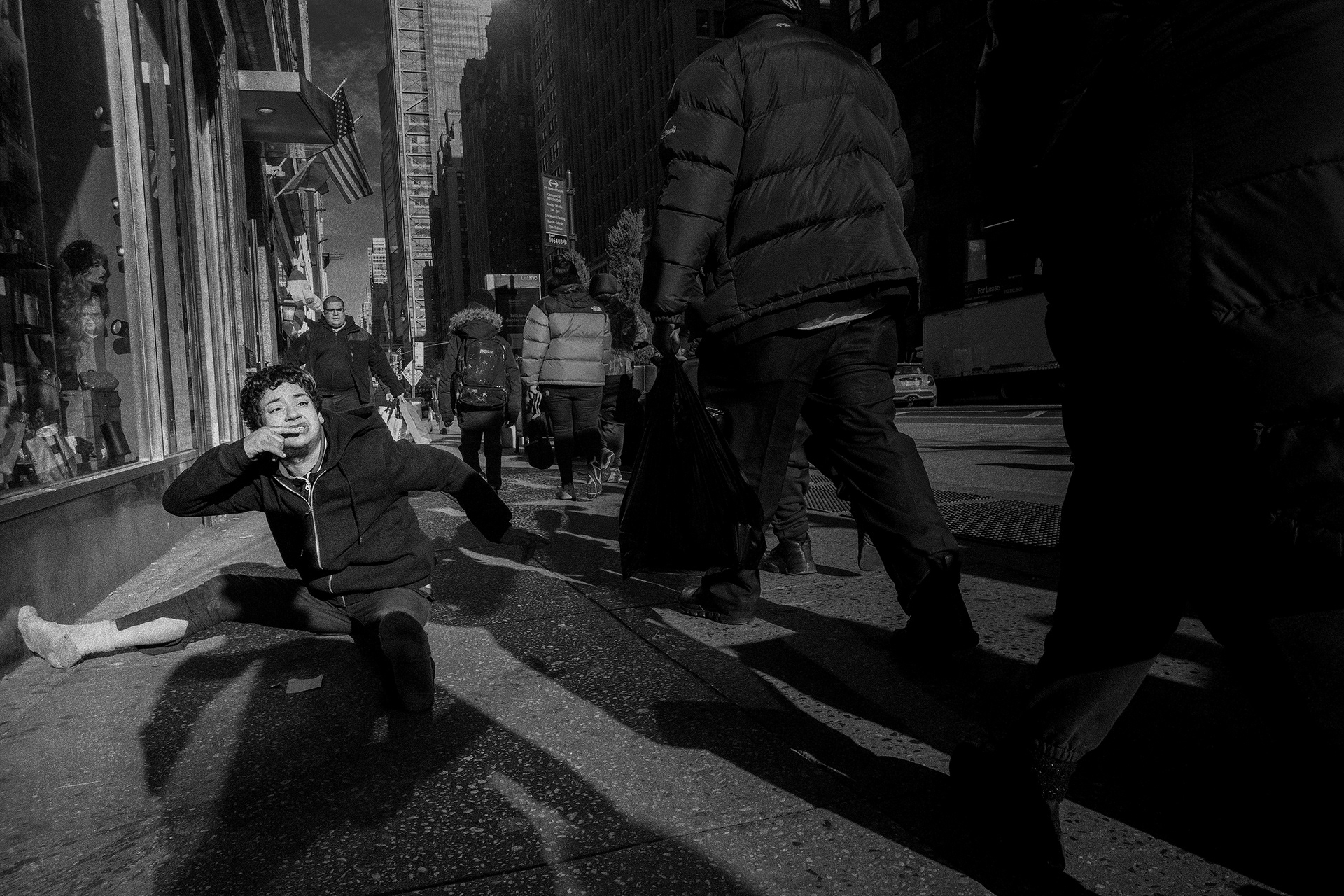
In Japanese, the word for photograph, shashin (写真), carries the meaning of “capturing or tracing the truth.” While the English word photography is based on an optical phenomenon, the Japanese word shashin can be said to carry a strong ethical connotation. It goes without saying that this ethical nuance has influenced the very definition of photography in Japan. Even the great photographers of Japan have been shaped by this understanding.
Having been born and raised in Japan, I also view the medium through this definition. The idea that photography should always relate to reality and truth may already be outdated. Still, as long as photography remains a technology that fixes images formed by reflected light, it can speak only of what has been illuminated by actual light. And light does not lie.
Street photography is a nexus of various social and cultural elements. People from all social strata, each with their own individuality, appear in the shared space of the street, creating a kind of chaos. What photographers choose to capture from that chaos is entirely up to them. At the same time, those choices are recorded as fragments of “truth” illuminated by real light. It is the truth that a certain man or a certain woman existed at that moment on that street. I aimed to capture only that truth in my photographs.
Photographs composed through the viewfinder to achieve perfect beauty often lose their sense of reality precisely because of their perfection. In photography, truth often emerges accidentally—through imperfection or bias in the composition. In this series, I essentially did not look through the viewfinder. I simply pressed the shutter secretly as I passed strangers on the streets of Manhattan, hoping that “truth” would be captured.
This series stems from my sociological interest. Perhaps the people shown on these streets do not carry much significance today. But in fifty or one hundred years, images of the people who once stood on the corners of these streets will come to carry great meaning. Historically significant figures will likely still be known to future generations one hundred years from now. But the people I am recording—those on the streets—will disappear unless someone with a strong will makes the effort to document them. It is a dirty job. But someone has to do it. My aim in this series is to continue doing that dirty work.