2011-2023
Finalist, Gomma Photography Grant 2024
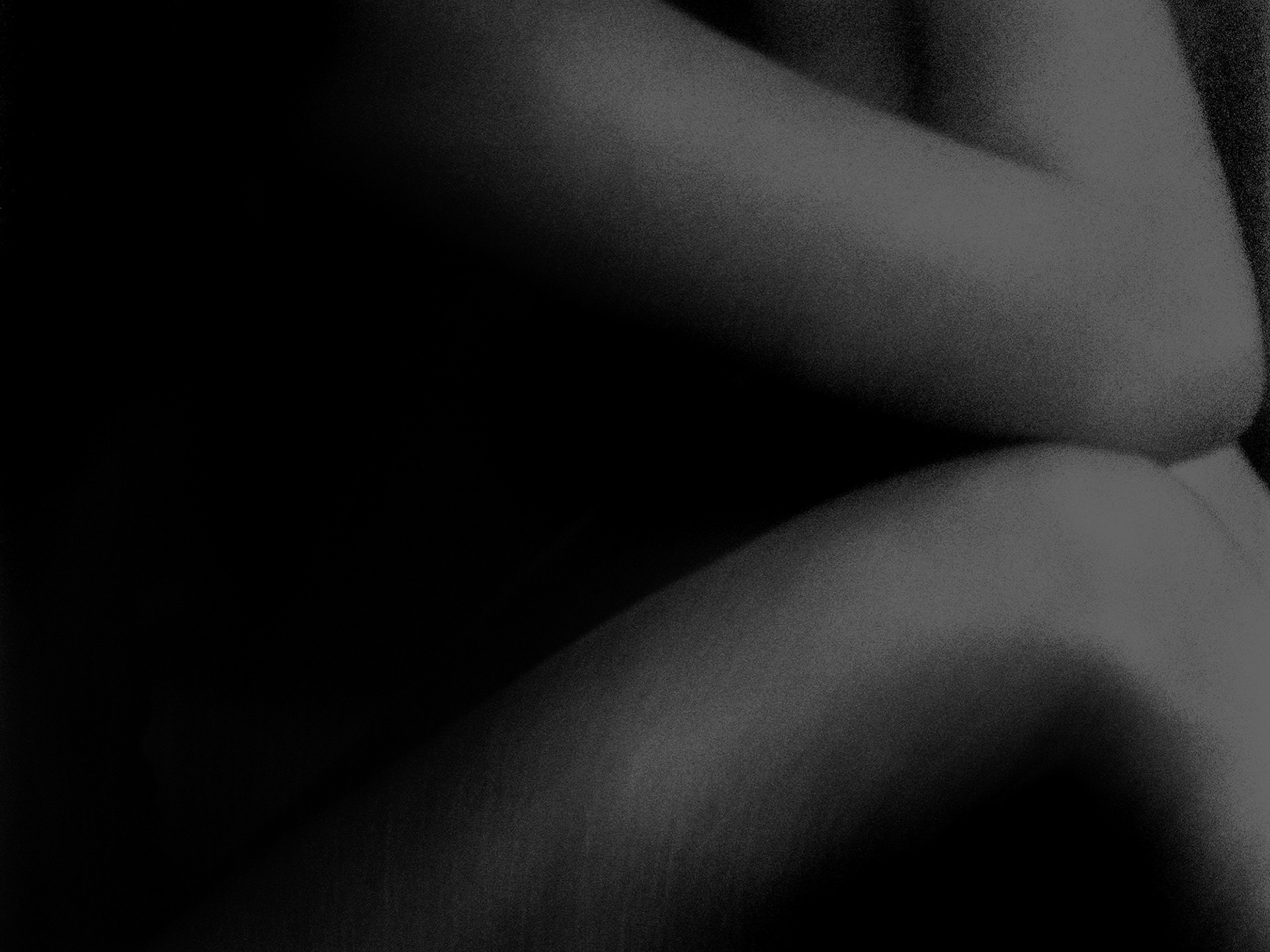
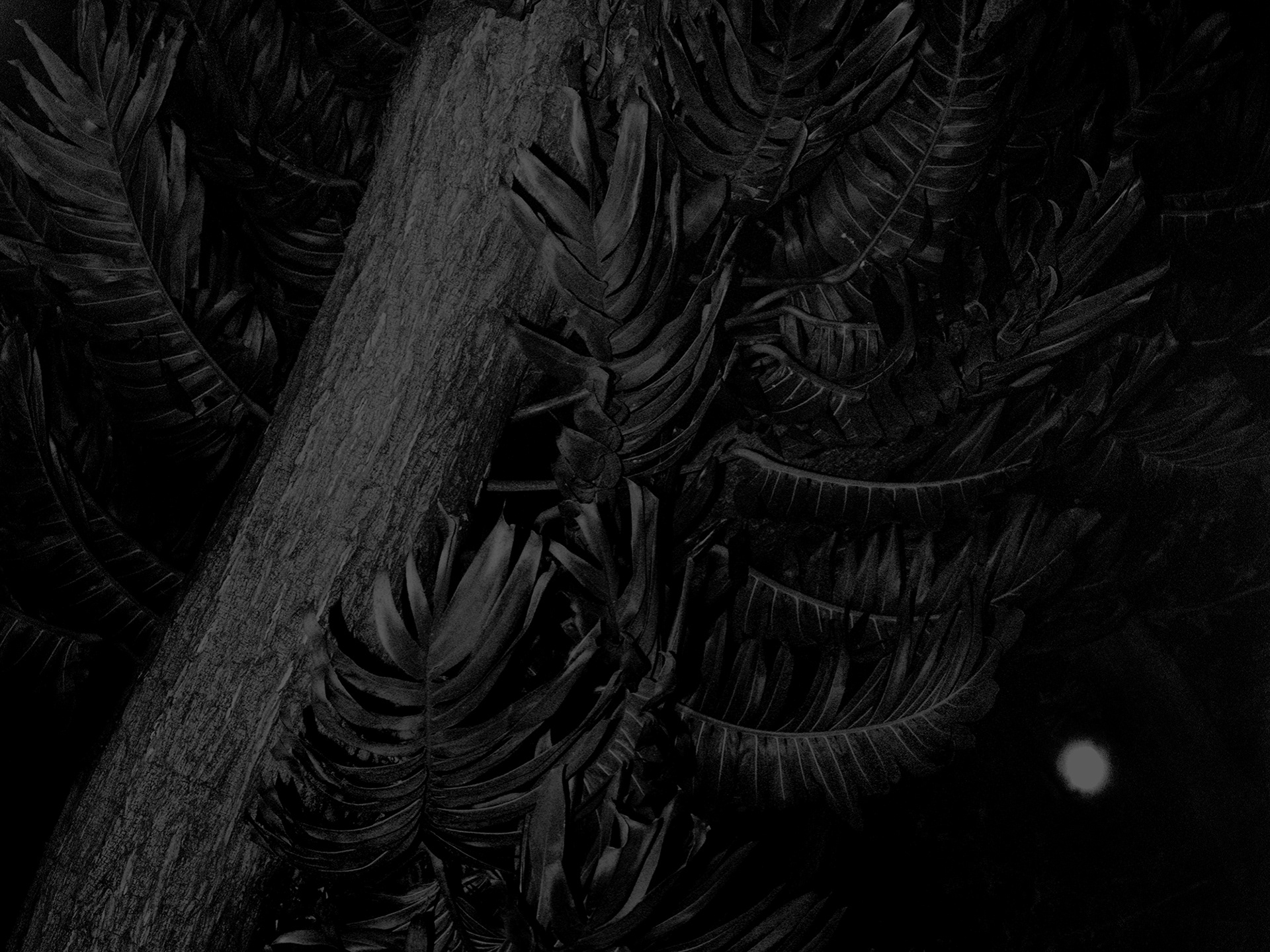
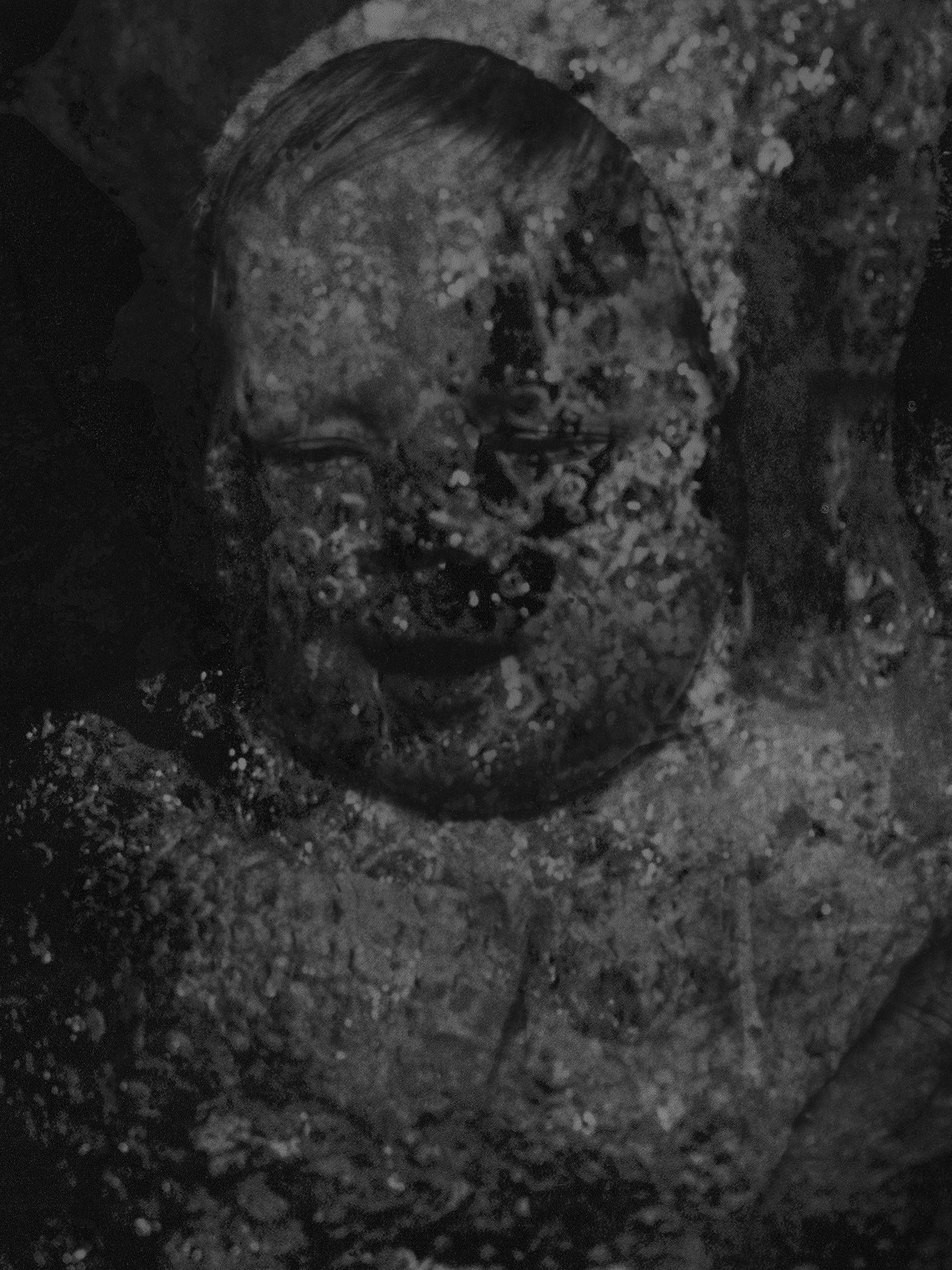
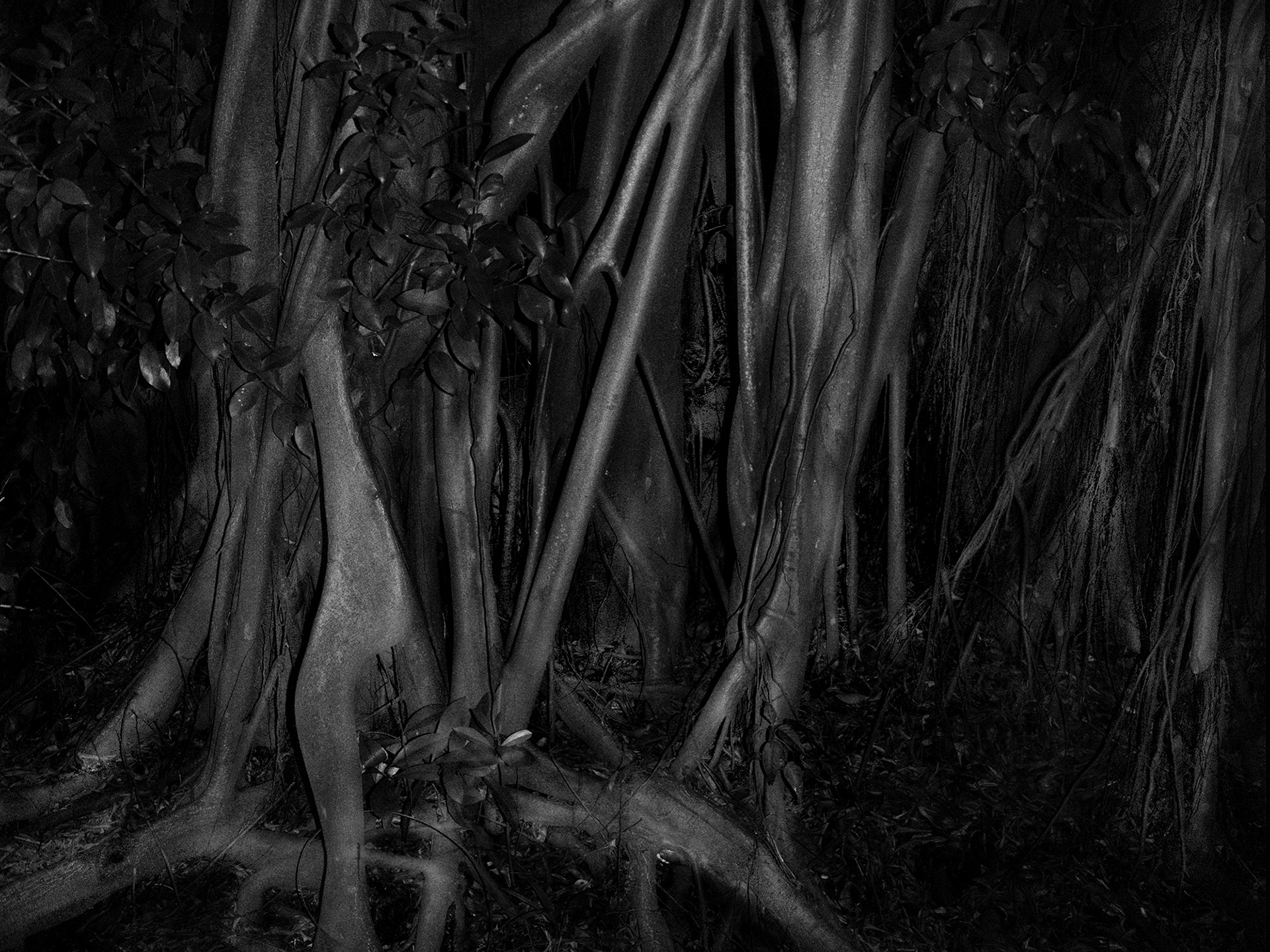
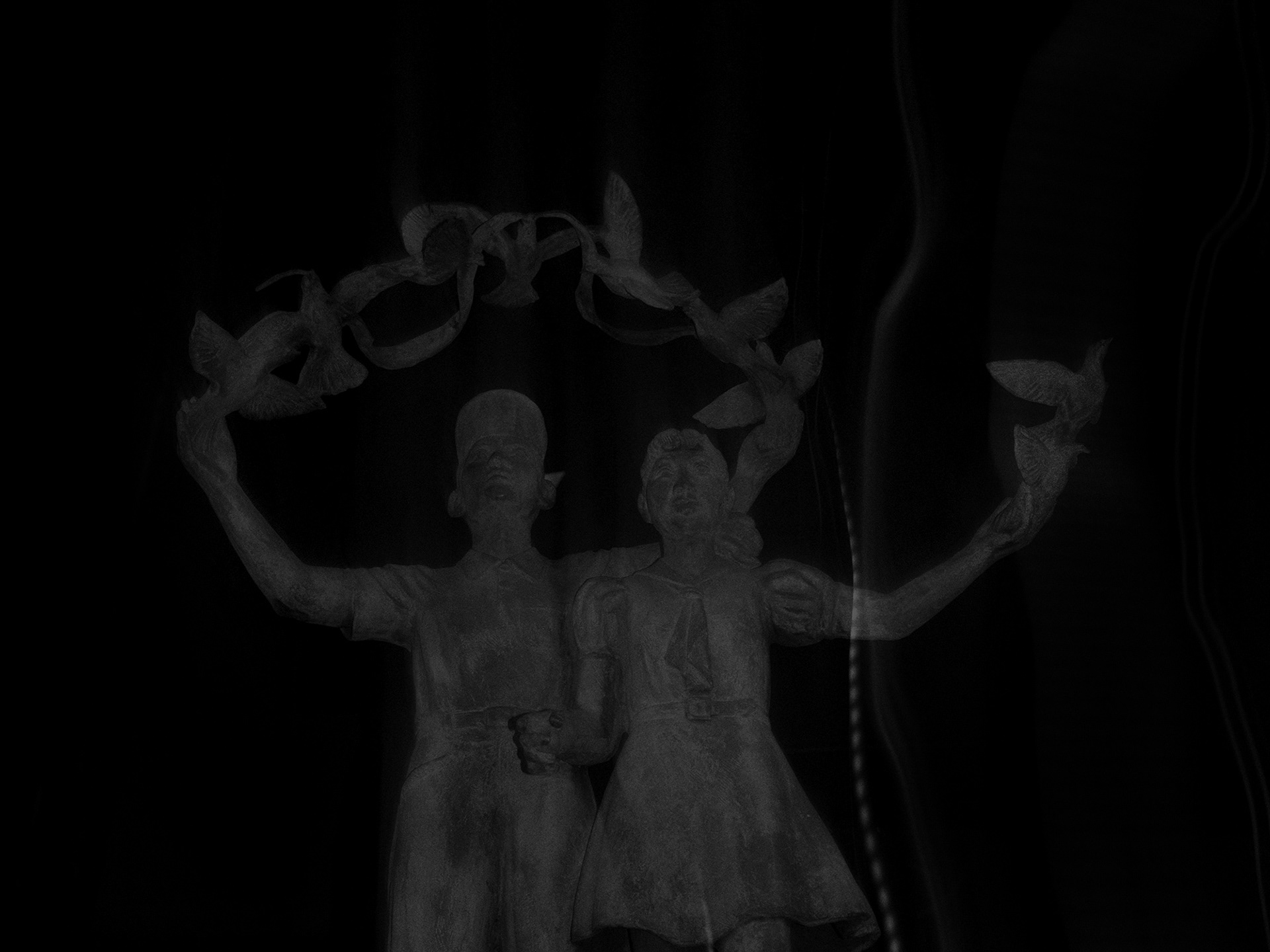
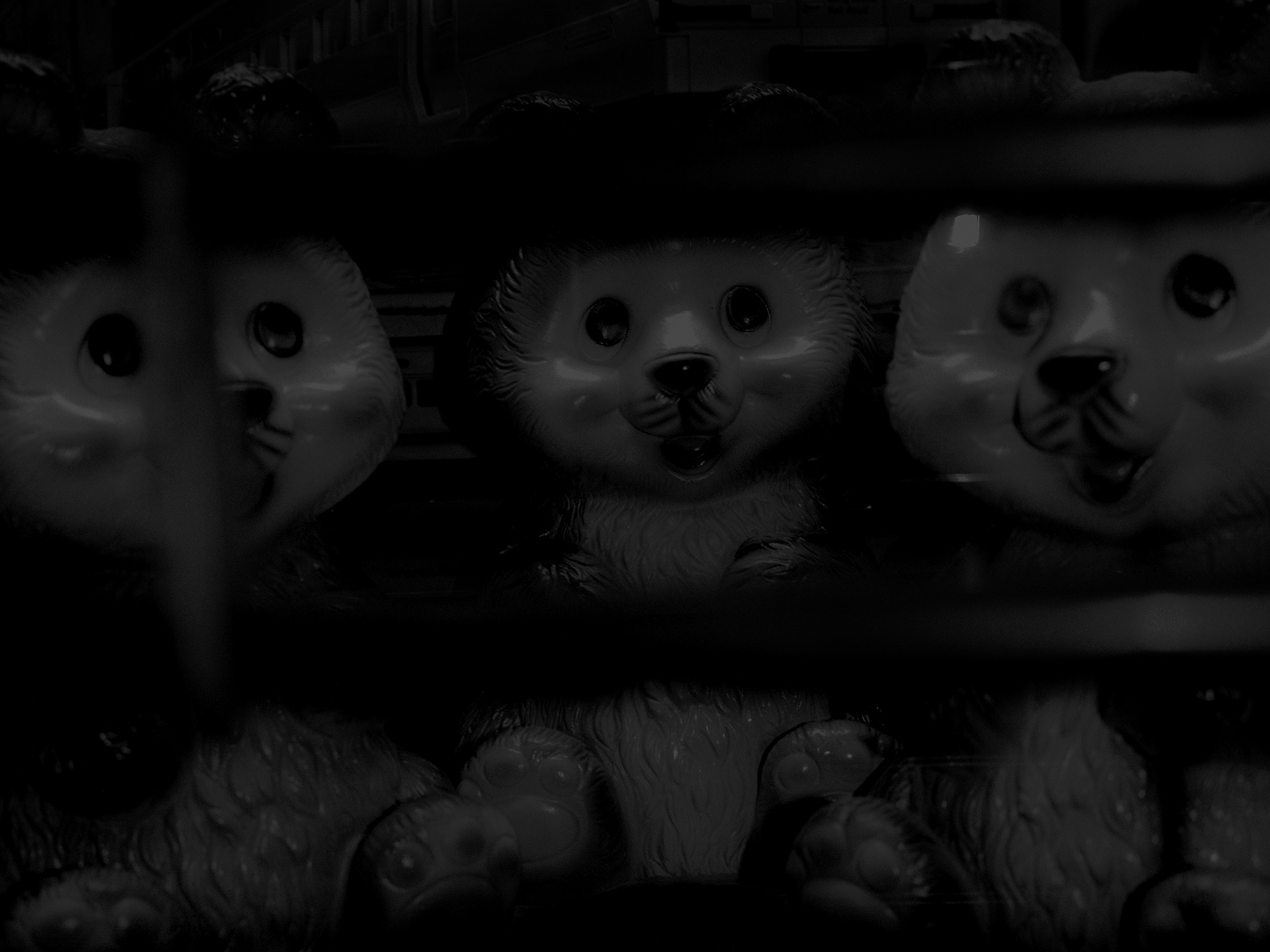
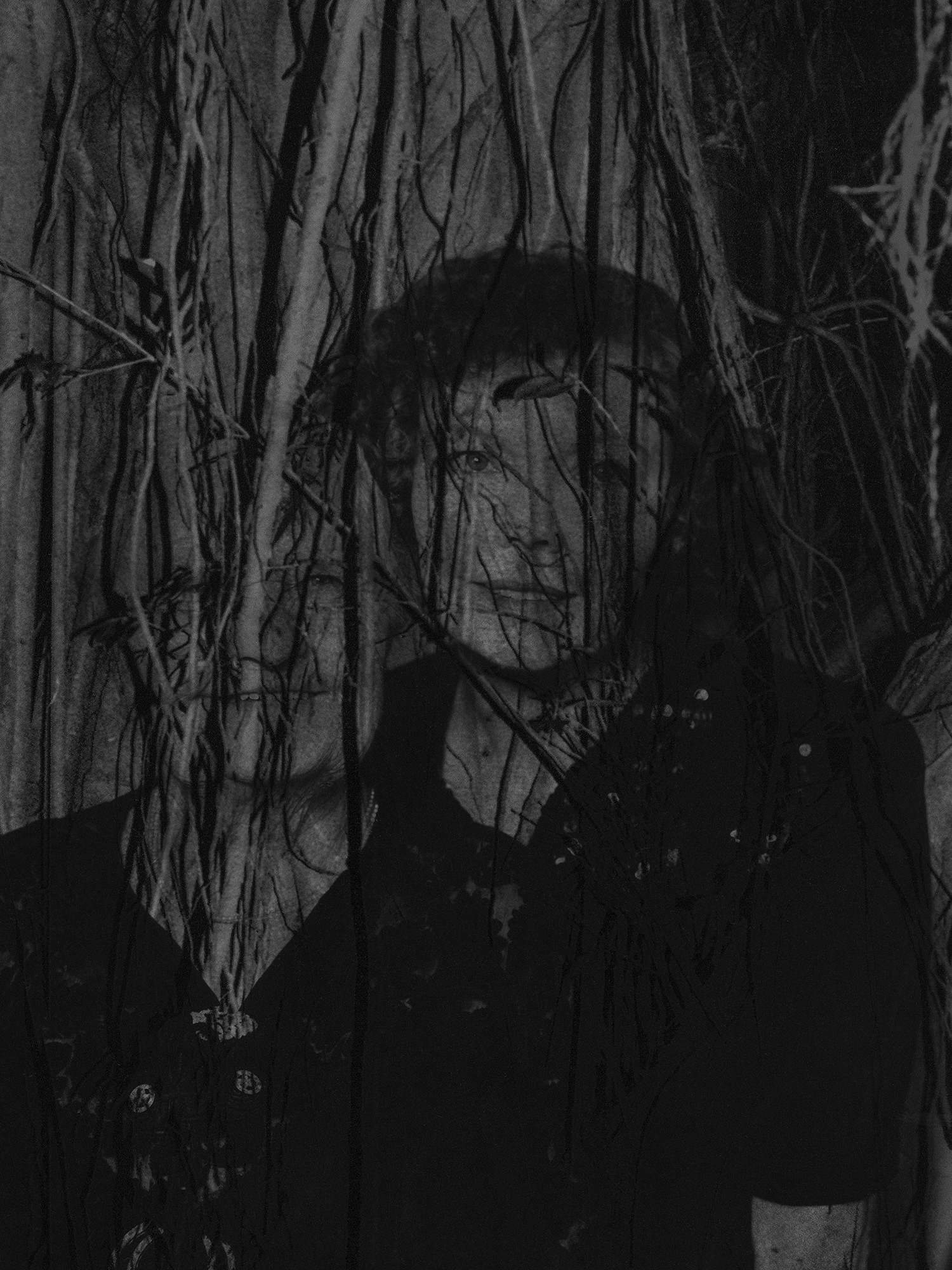
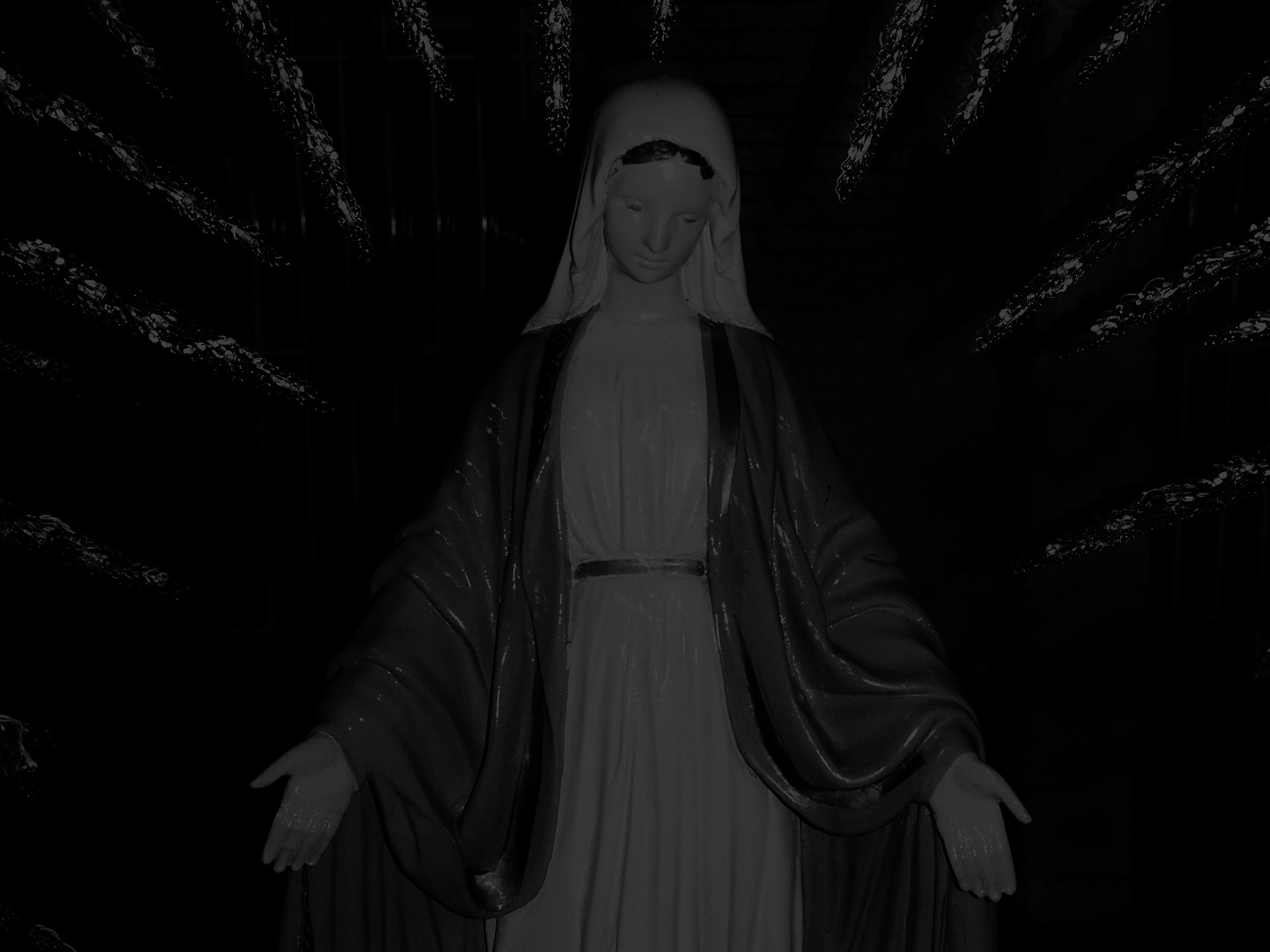
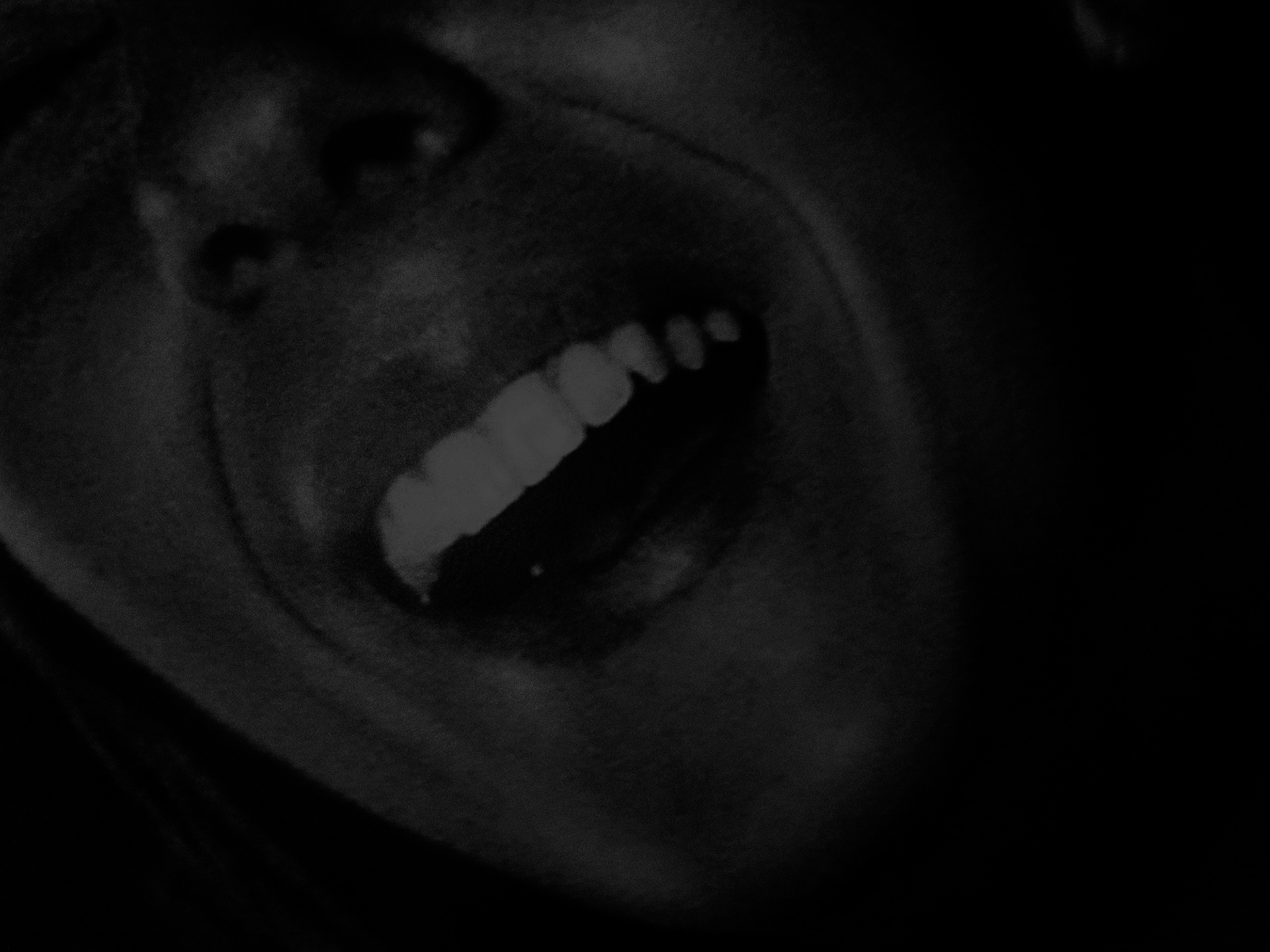
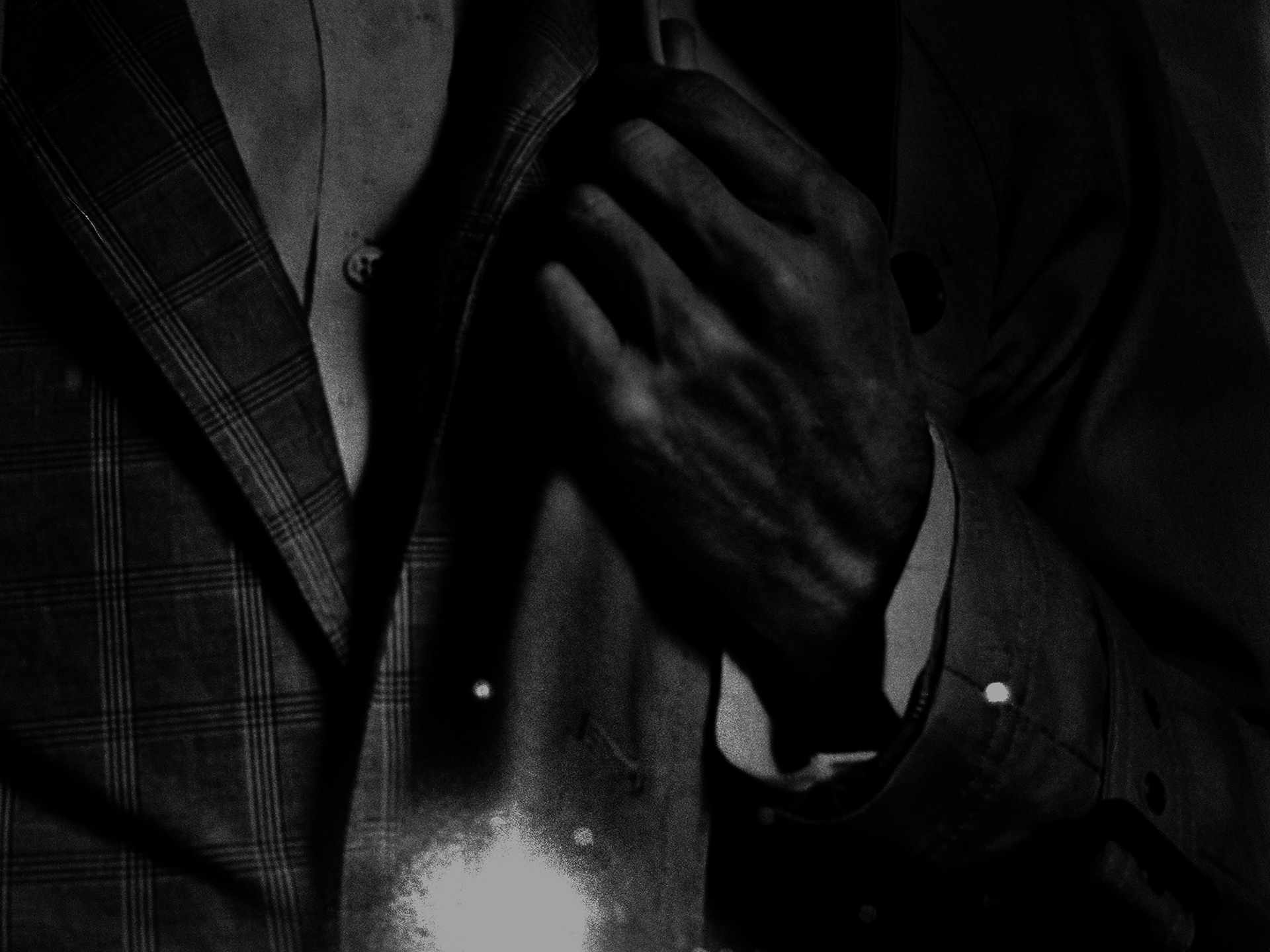
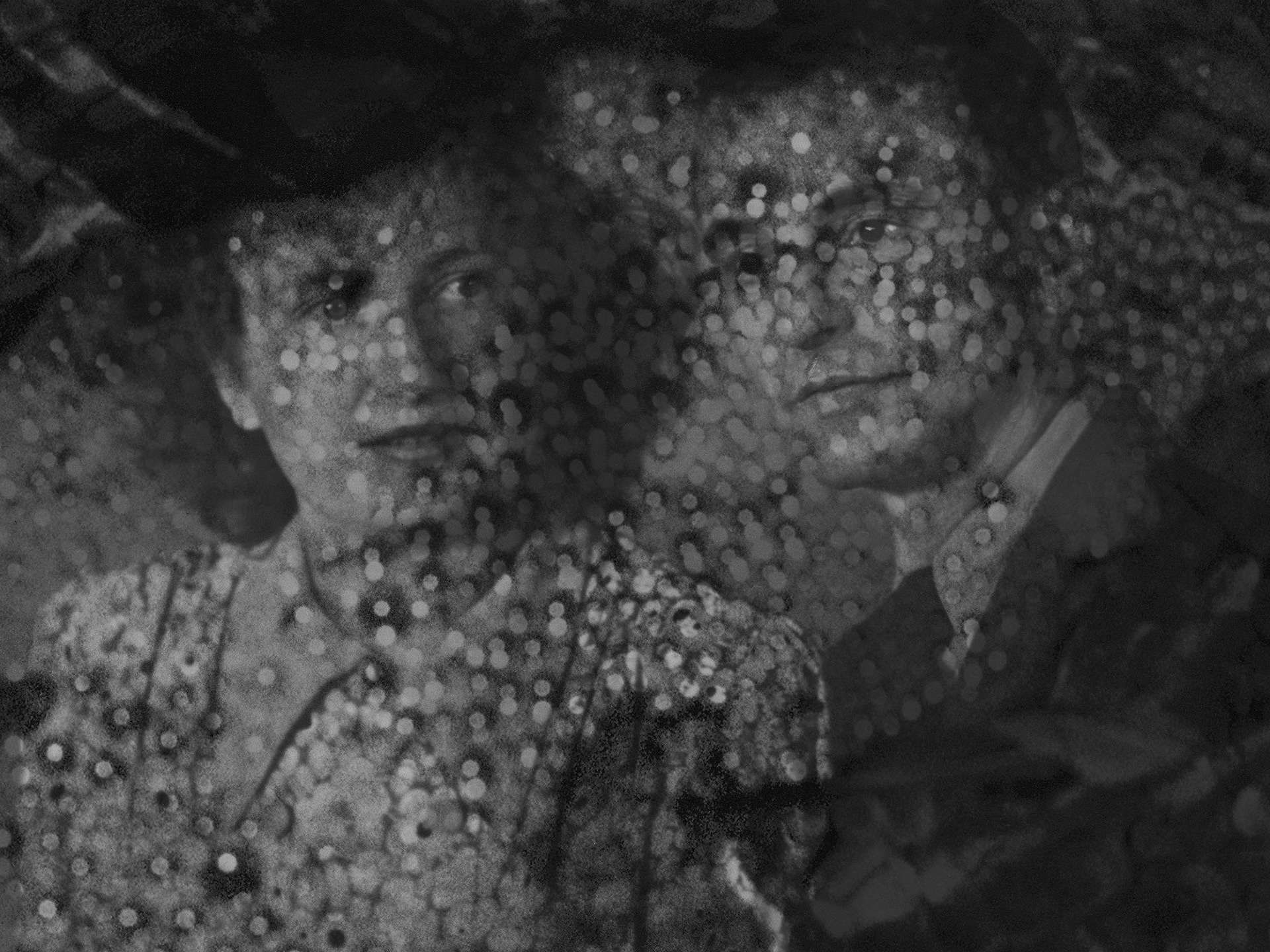
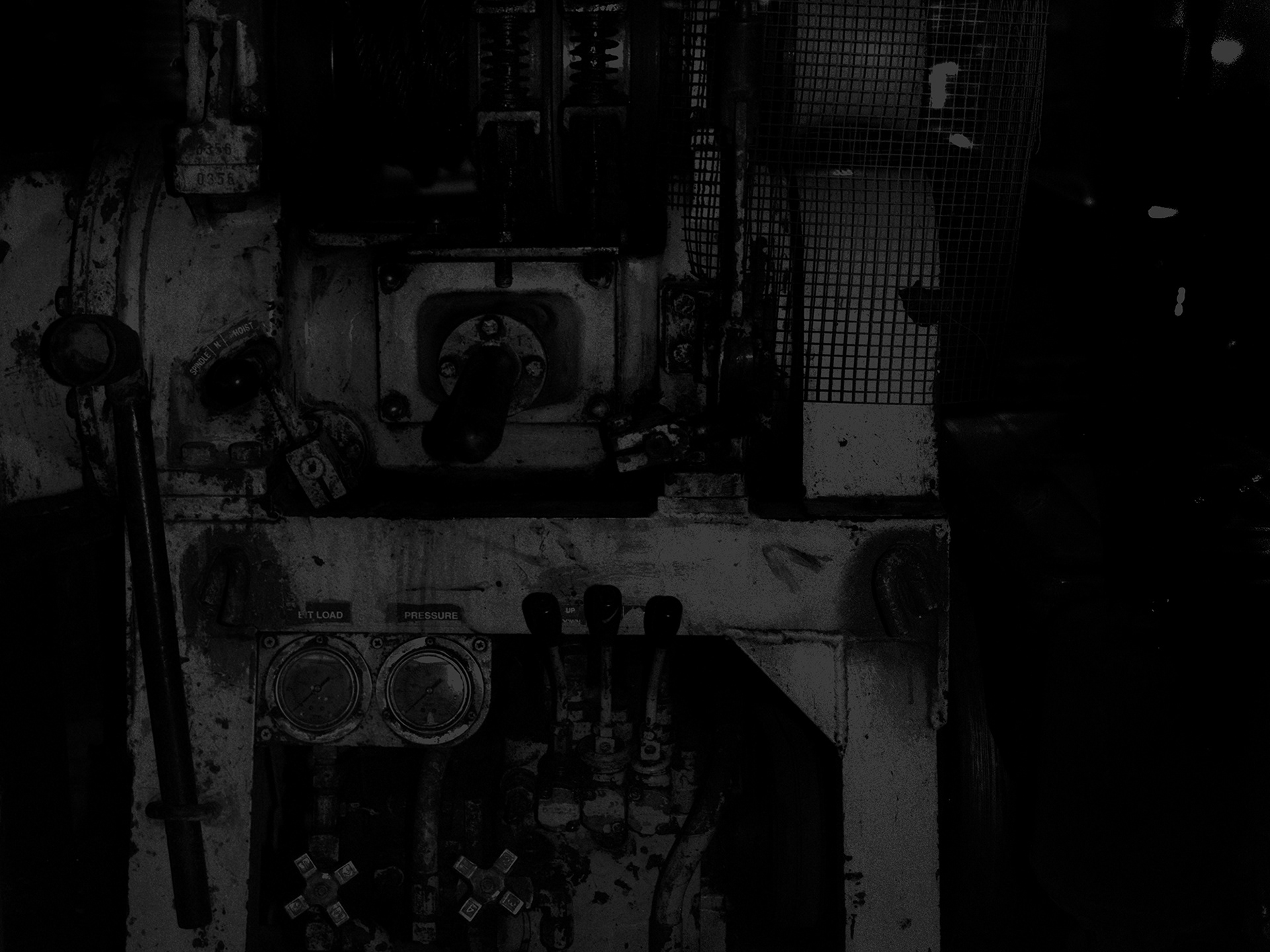
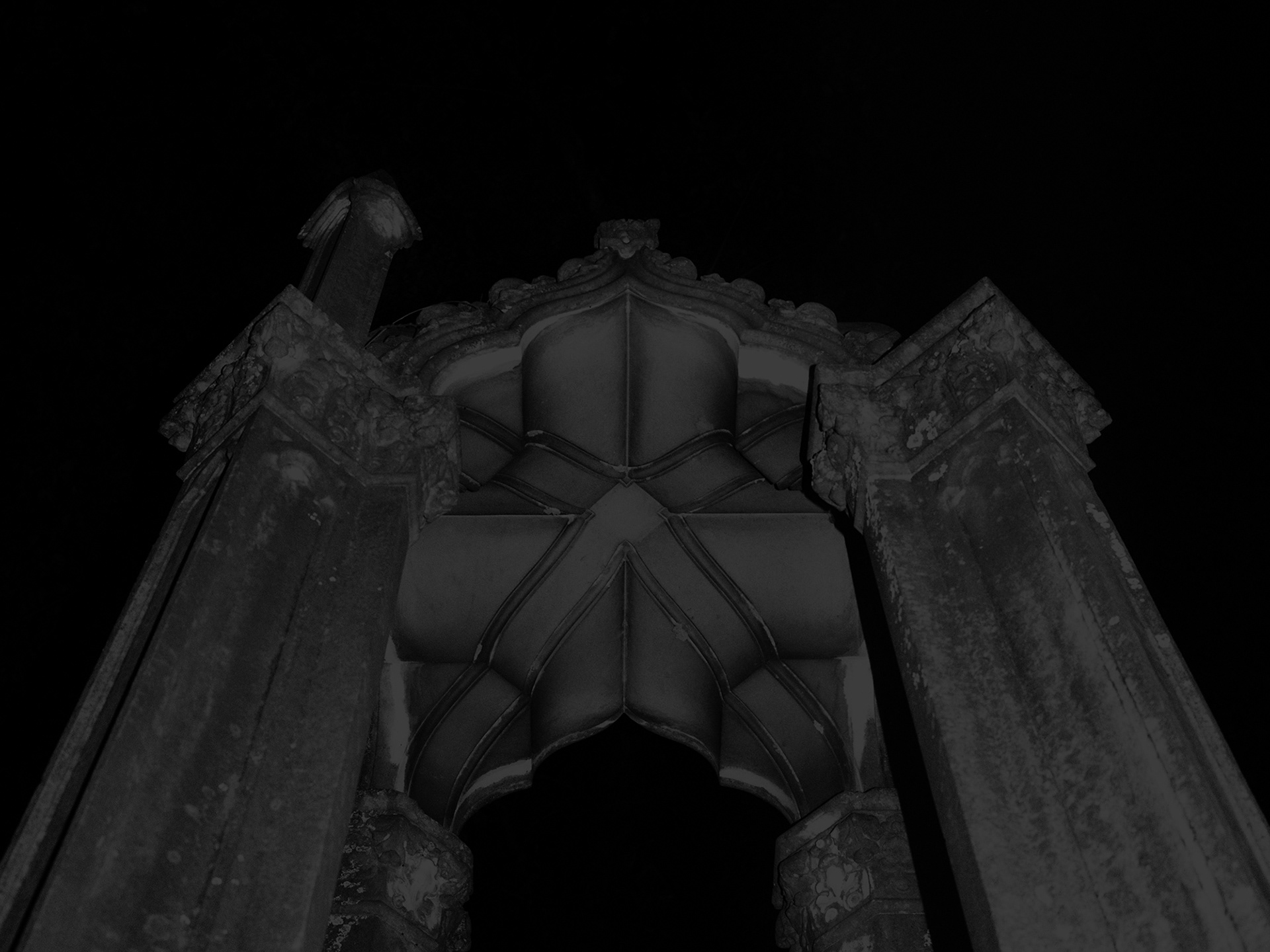
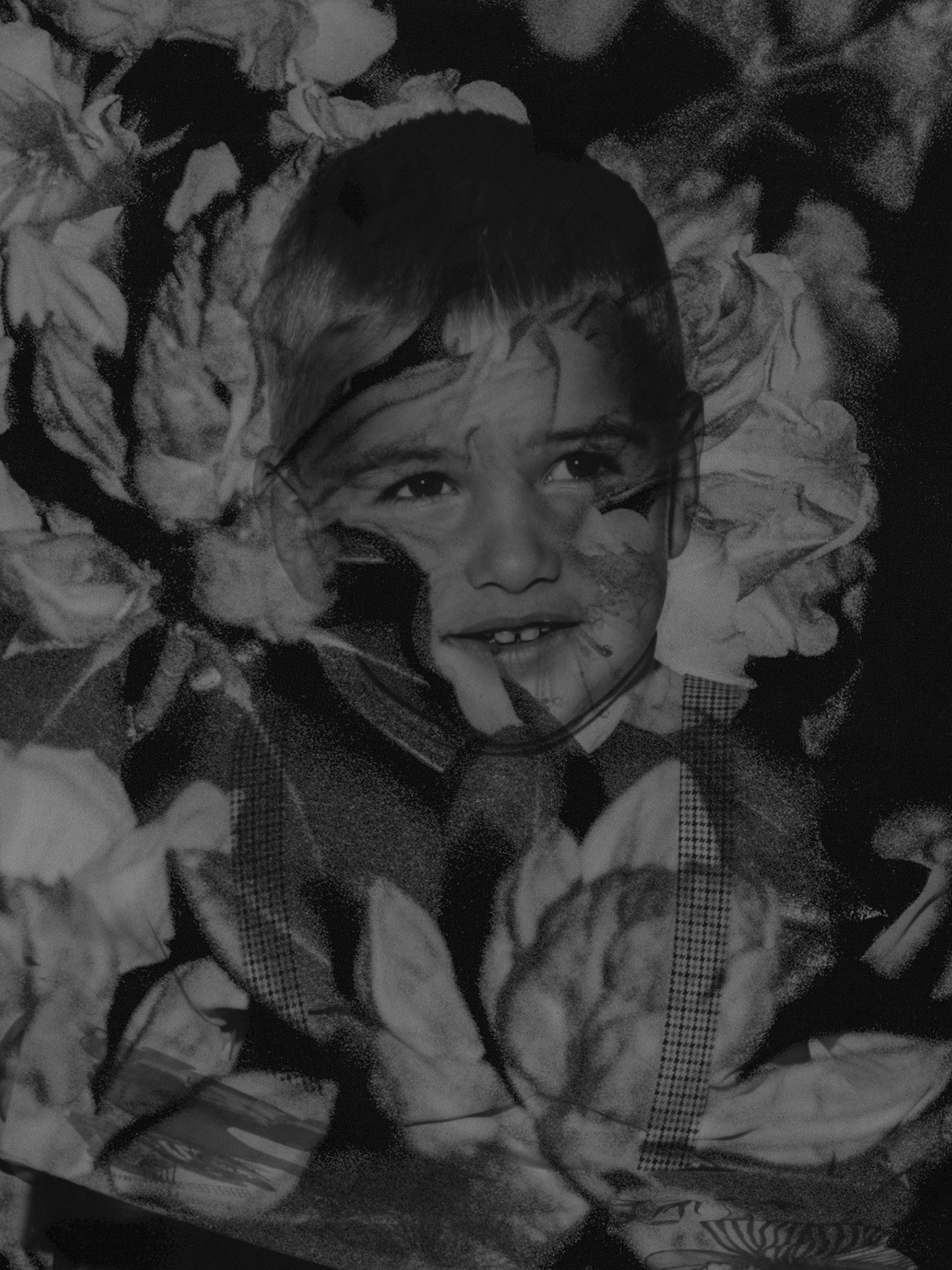
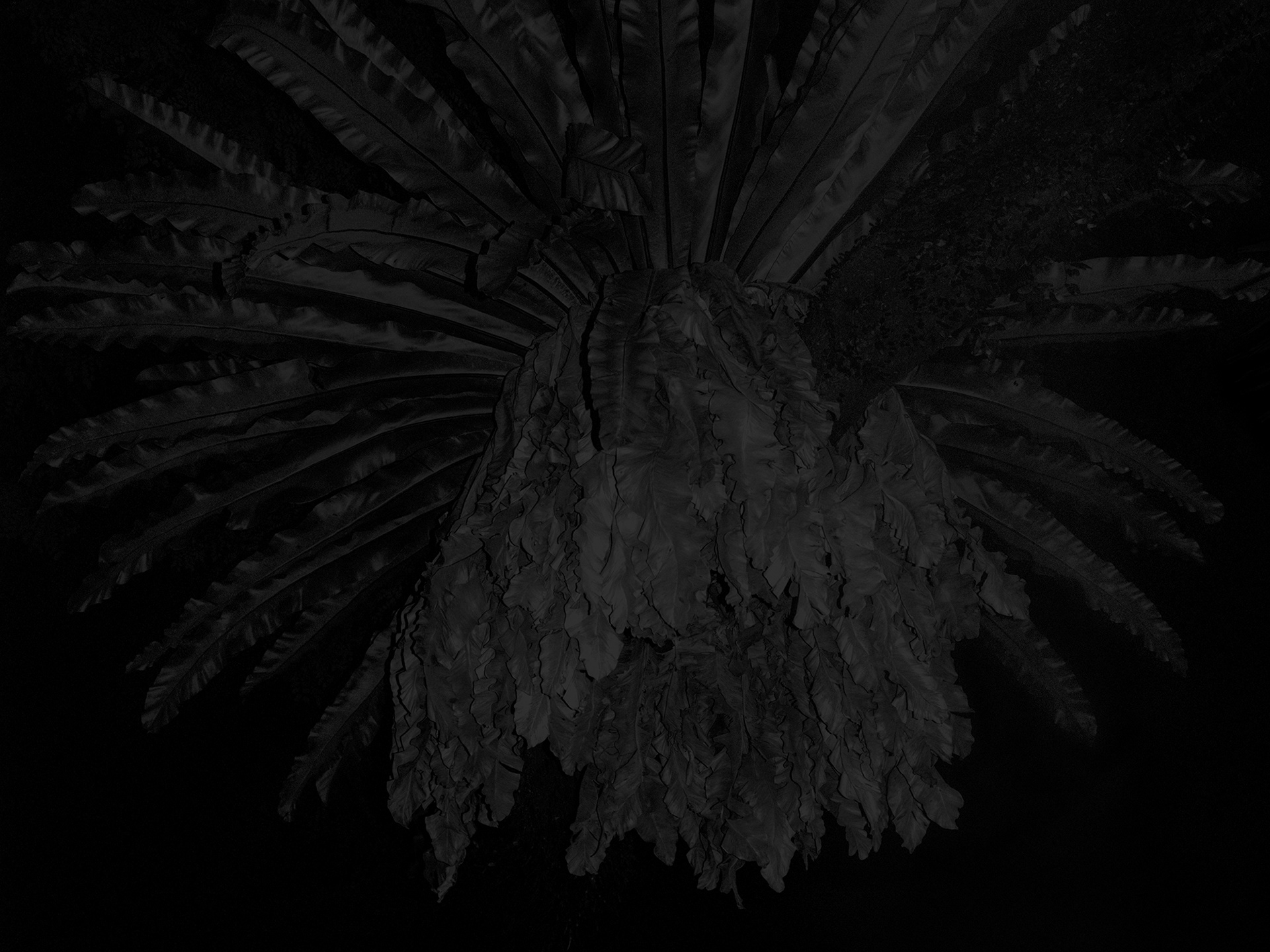
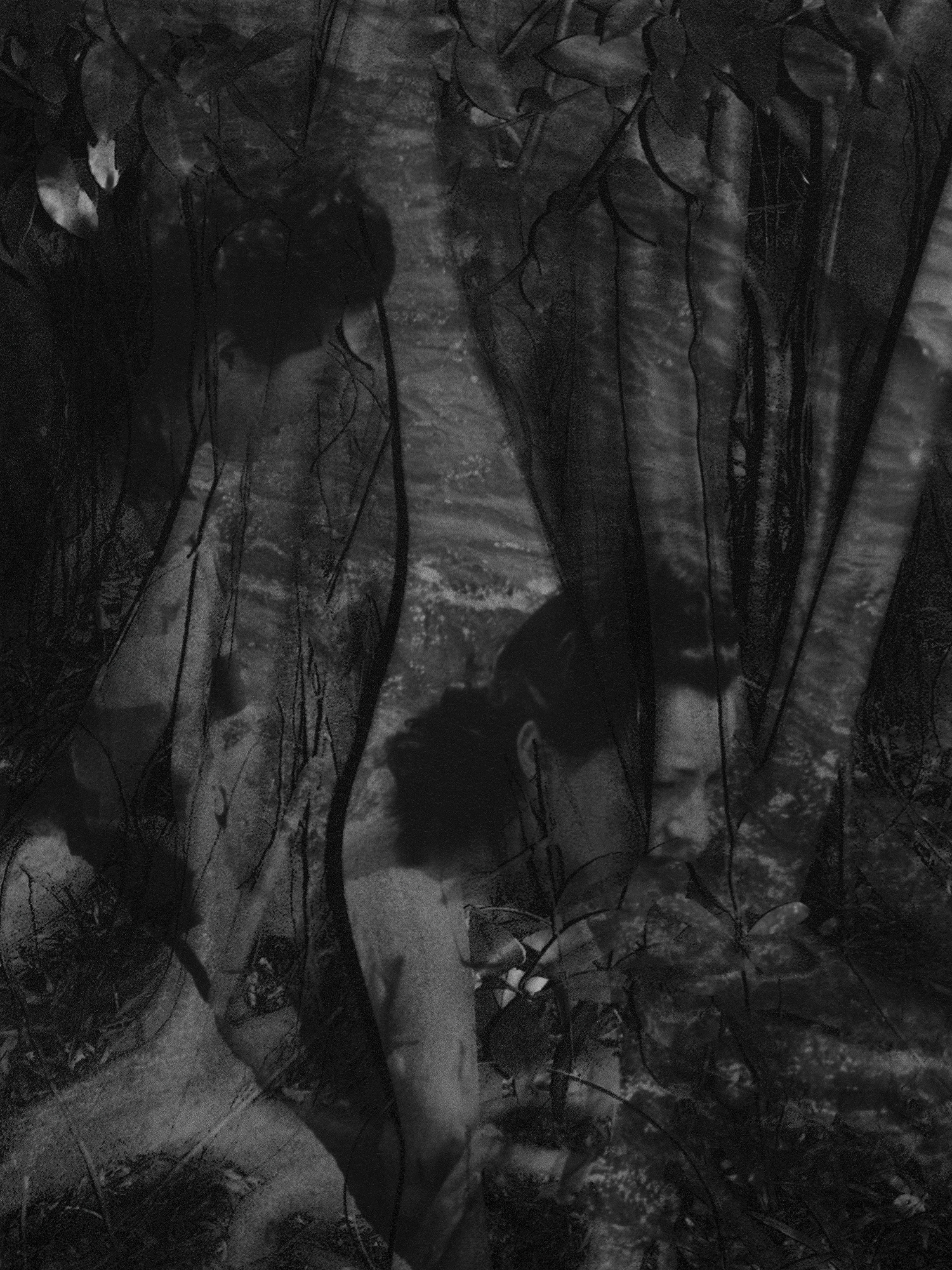

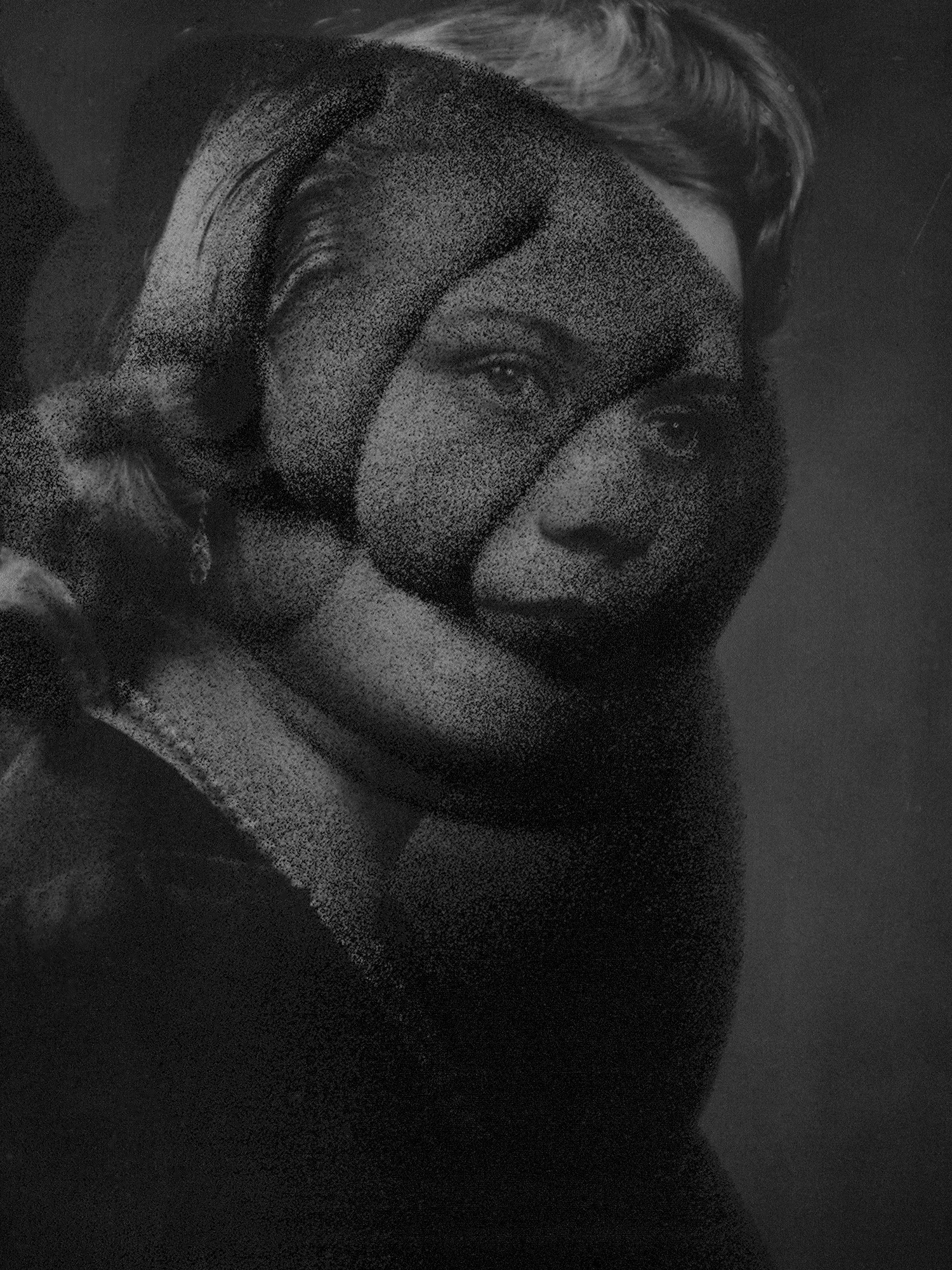
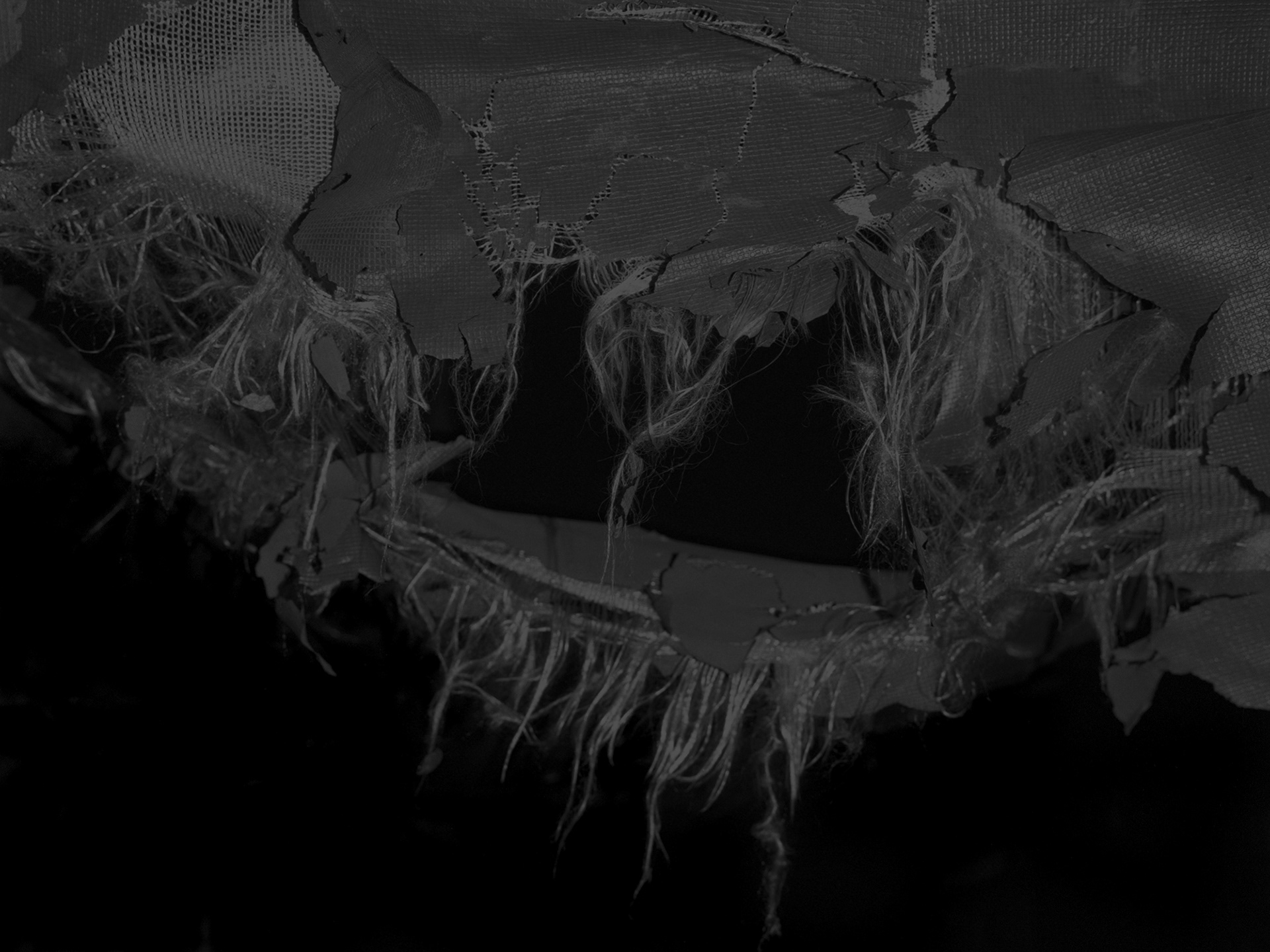
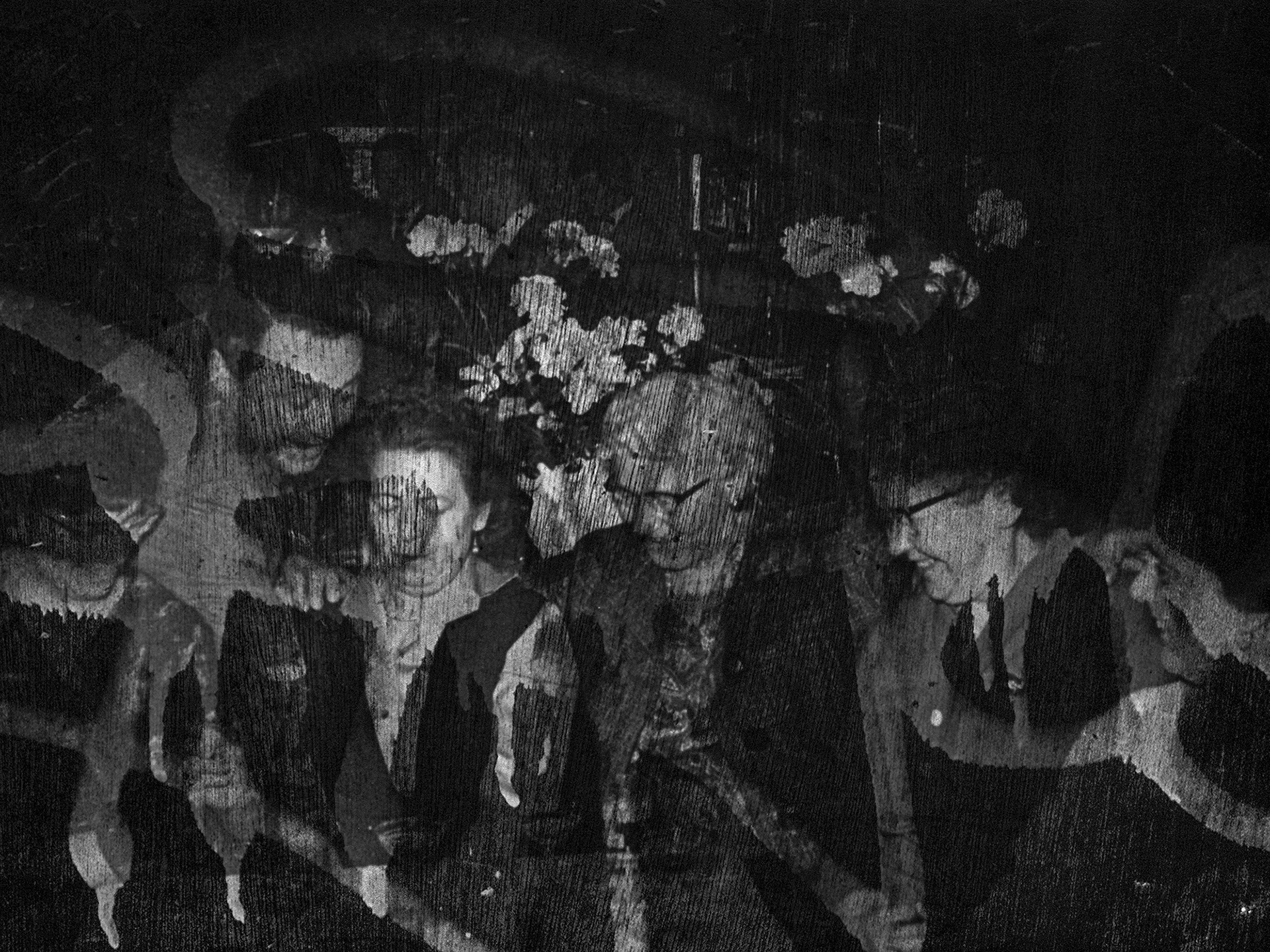
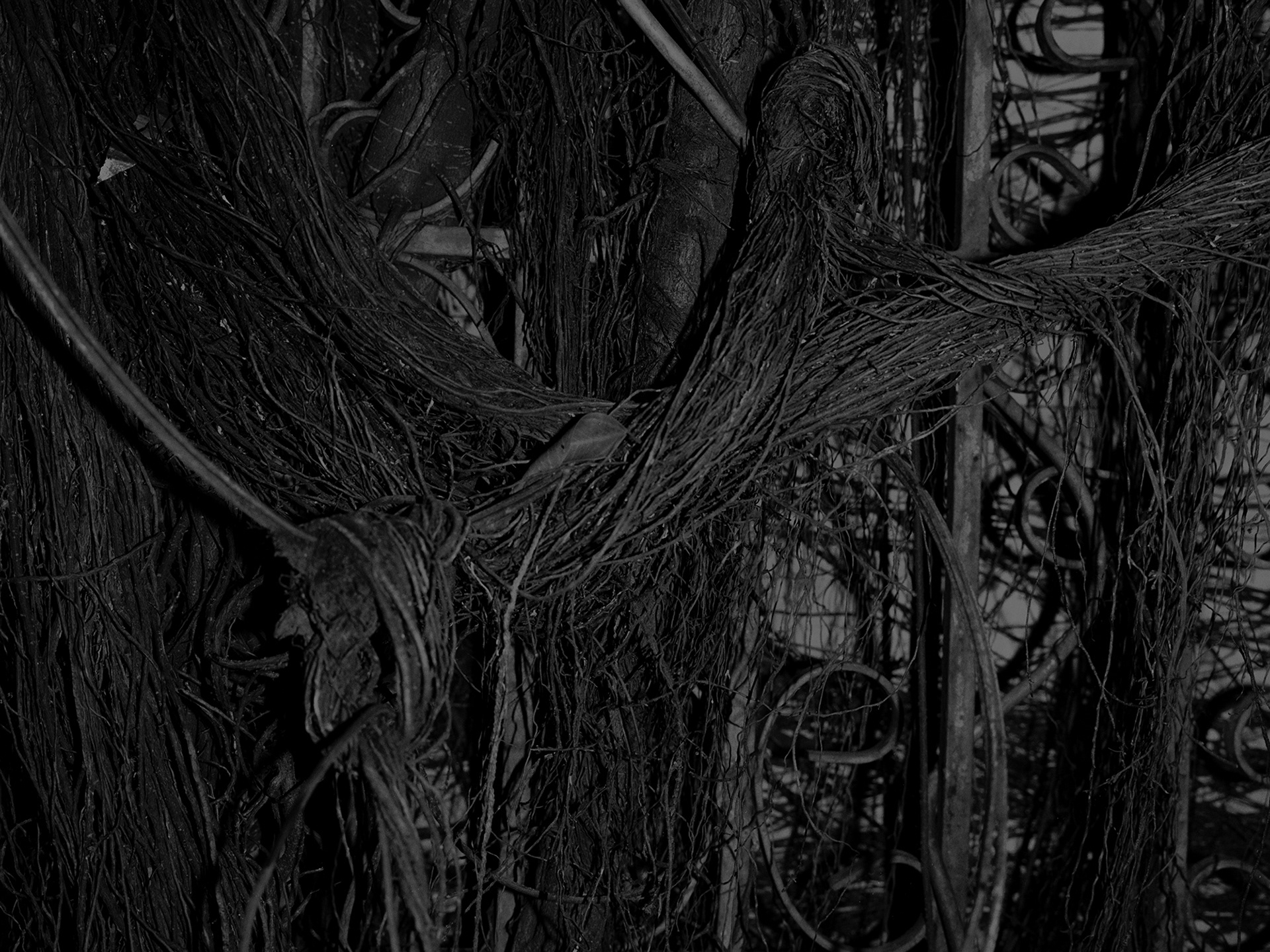
When I ponder photography, I often consider its function as a medium and its relationship to the time in which it exists, rather than photography in itself. Photography was perhaps one of the most important media defining the twentieth century. When the daguerreotype was invented in 1839, it was undoubtedly the leading scientific technology of its time.
Like the invention of photography, this period produced a variety of ideas that would become foundations of the twentieth century. Marx’s The Communist Manifesto was published in 1848, and Darwin’s On the Origin of Species in 1859. The light of intellect, expressed through scientific innovation, was the same light that was fixed on the surfaces of glass negatives through the camera lens.
At the same time, this meant that humanity accepted that human vision, as registered by the retina, was inferior in accuracy to the optical purity of a lens. Therefore, photography clearly functioned as a medium for presenting “evidence that an object exists.” Something overlooked by the human eye could be recorded in a photograph. These ideas and technologies, born and refined in the late nineteenth century, interacted with one another to create much of what we in the twenty-first century still consider common sense.
However, the light of these intellectual developments also illuminated the unacknowledged dark side of humankind. If communism and evolution are the positives of the picture, spiritualism, which arose during this period, occupies the position of the negative. Madame Blavatsky, the founder of Theosophy, was born in 1831. She was probably one of those who tried to explore the new frontiers opened by thinkers such as Marx and Darwin, but through a completely different approach. If one is suspicious of Theosophy, I can instead point to psychology, which has undergone greater scientific scrutiny. Sigmund Freud was born a little later, in 1856, but his career unfolded precisely during these intellectual transformations of the late nineteenth and early twentieth centuries. Freud’s discovery of the unconscious was one result of the exploration of humanity undertaken in the light of the intellectual explosion of the late nineteenth century.
It goes without saying that the general function of a photograph is to capture its subject accurately. This has been humanity’s expectation since the days of the camera obscura. If an object is captured in a photograph, it can be said that the photograph proves the existence of that object. Perhaps in the twenty-first century this premise will be lost, but at least through the twentieth century it remained intact. The fact that an image appears in a photograph constitutes scientific proof of its existence. Even if it is invisible to the human eye, the light of science passing through the lens of a camera can capture it.
Even today, photography remains one of the final means of confirming scientific theories, as demonstrated by the fact that, in 2009, IBM researchers resolved the chemical structure of a molecule at atomic resolution using noncontact atomic force microscopy. In this sense, the photographs taken by spiritualists from the end of the nineteenth century to the middle of the twentieth century served as evidence for their belief that the invisible must exist. This remains true even if, from the perspective of a photographer today, most of them appear to be fakes.
Take a look at The Perfect Medium: Photography and the Occult, published by Yale University Press in 2005. It documents the human desire for the invisible through practices presented as highly scientific and logical.
A wife who passed away before her husband. A child who was struck by illness at an early age. Or a parent we can no longer see. These invisible beings float around us, sometimes embracing the living as if they were nostalgic for the past.
Or the intellectual quest to communicate with the supernatural. To bring the oracle of Delphi back into the modern world. These fundamental human desires were probably forbidden in the Christian world for more than a thousand years. In the name of science, these prohibitions were lifted, and the resulting phenomena were recorded as “facts.” Curiously, the explosion of scientific knowledge in the second half of the nineteenth century led to the release, in the name of science, of the more primordial pagan and shamanistic desires latent in the ancient strata of humankind.
Scientific inquiry and photography have the same roots. Their mutual influence formed our twentieth-century intellectual system. But we must not forget that at the edges of that system lie areas that have now been abandoned. Photography has a deep connection to those realms. It is a gaze that moves beyond “proof that the object exists” in order to see the invisible—something that human beings have tried to perceive through spiritual mediums since time immemorial.
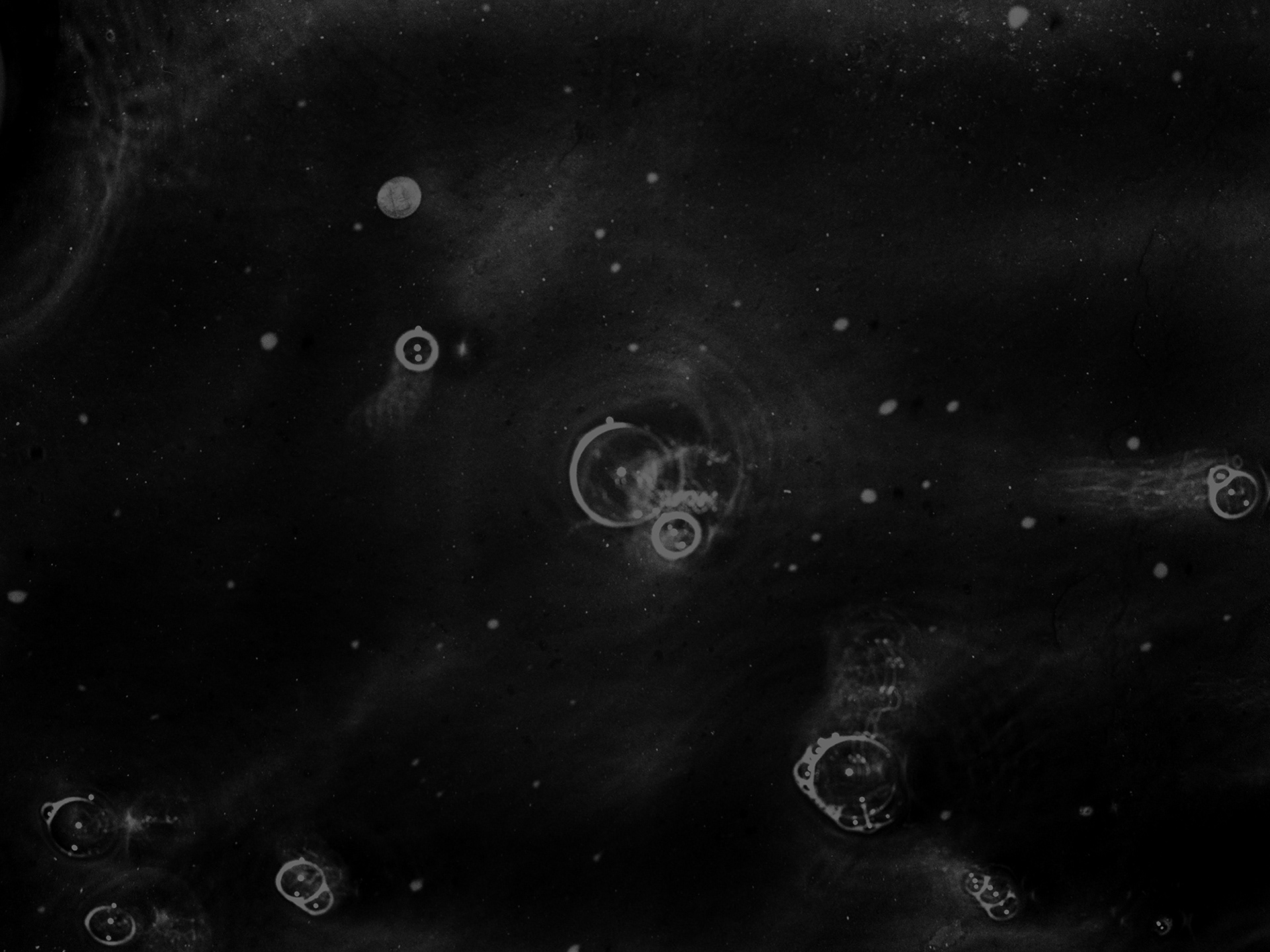
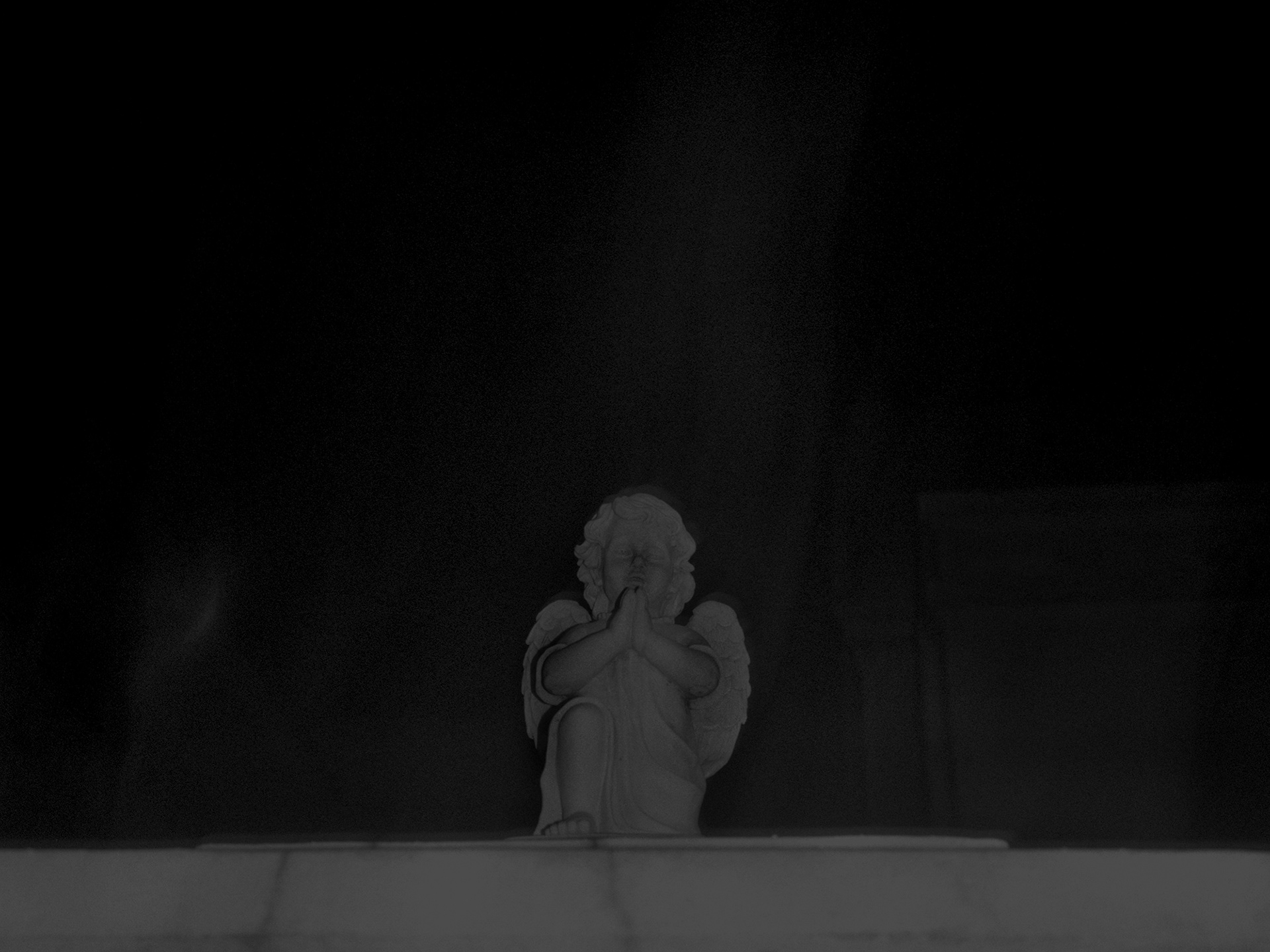
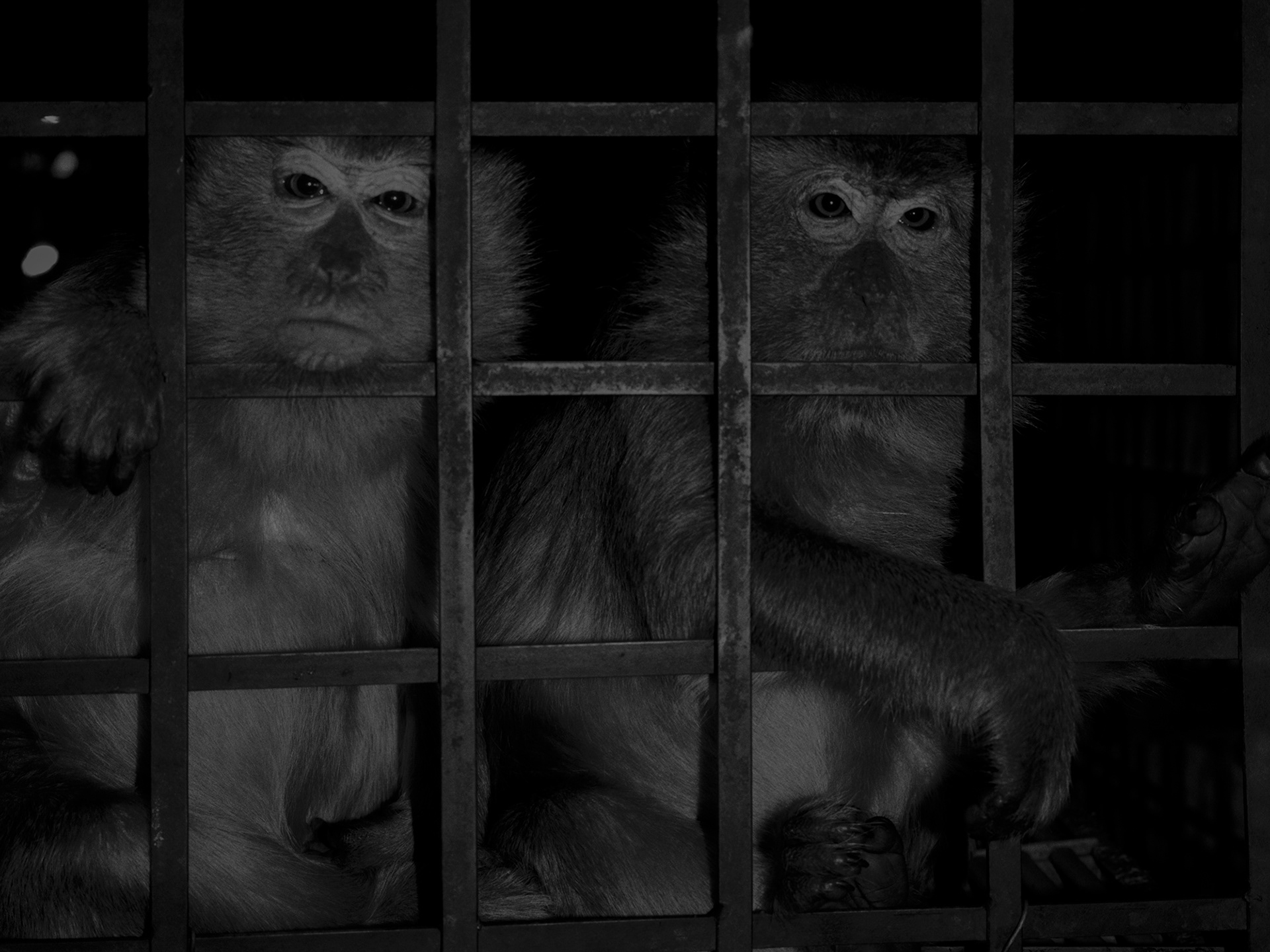
Standing in front of trees in the darkness, I search for the presence of something invisible. There must be “something” lurking there that our ancestors once saw. A statue standing in a park in the middle of the night secretly harbors a soul because it resembles a human figure. Behind the artificial light of the flash lurks the paradox of human rationality and irrationality. The premodern delusions and superstitions that should have been discarded in the age of the Enlightenment have come back to life through the device of the camera and are about to tell us something.