2012-2016
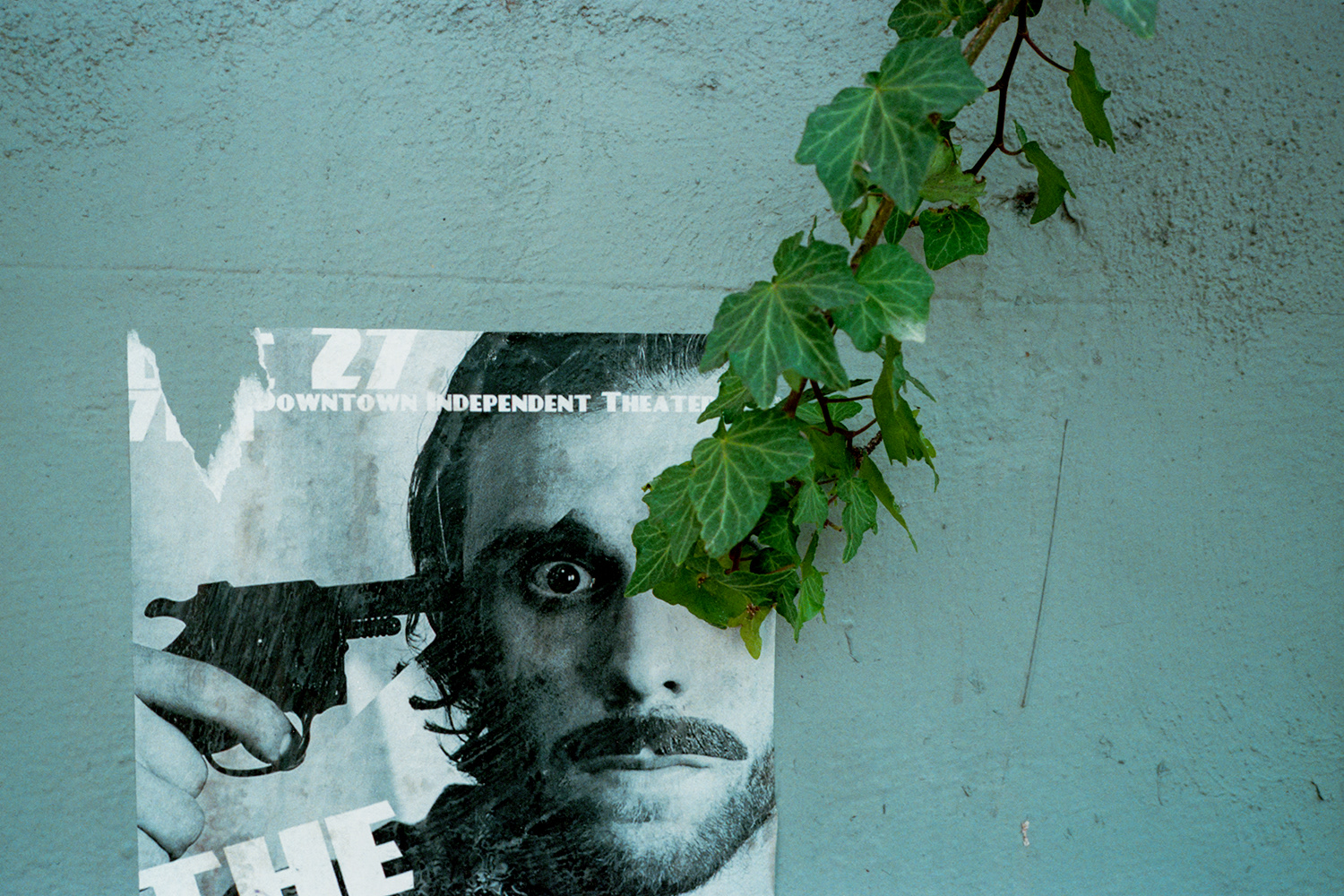
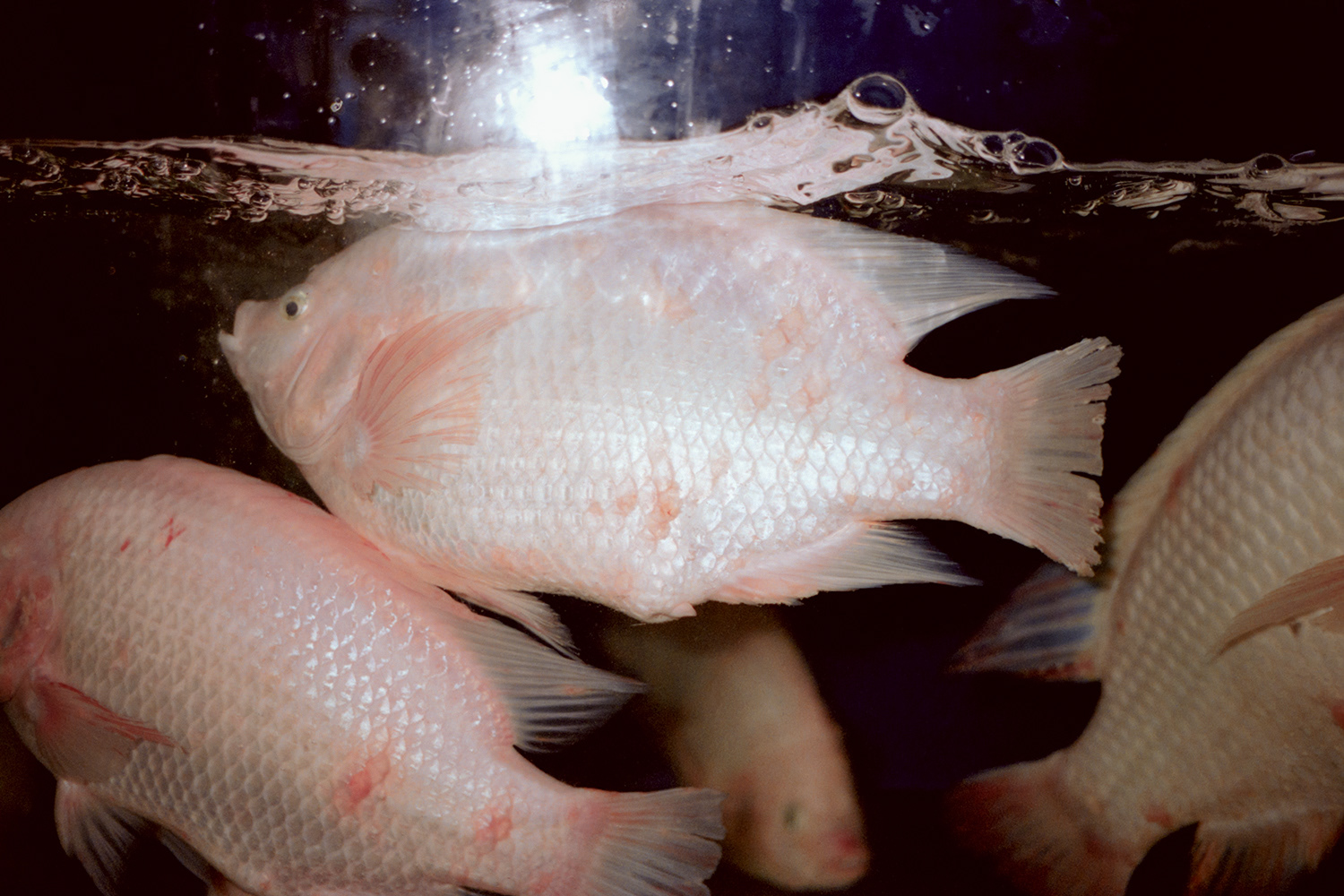
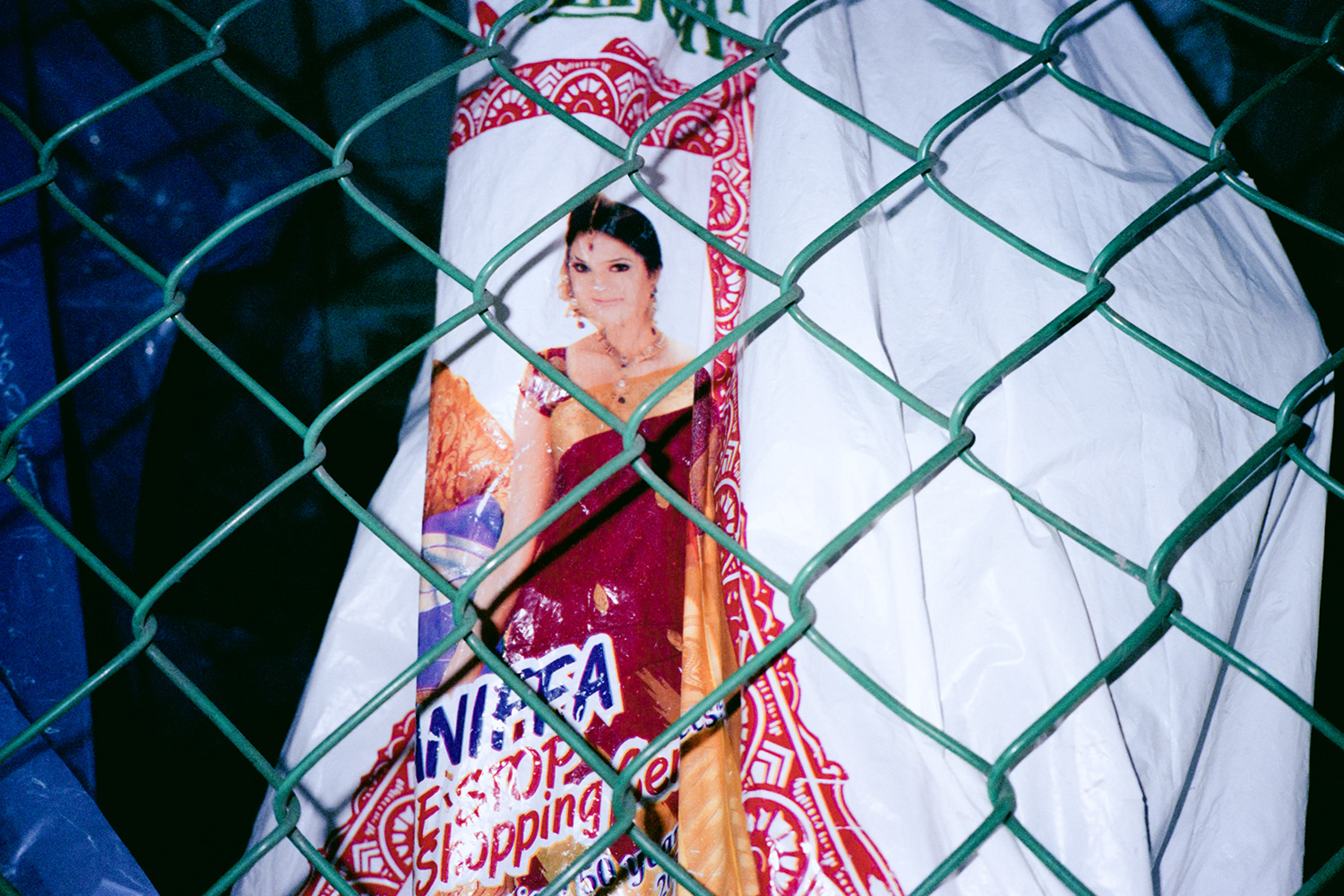
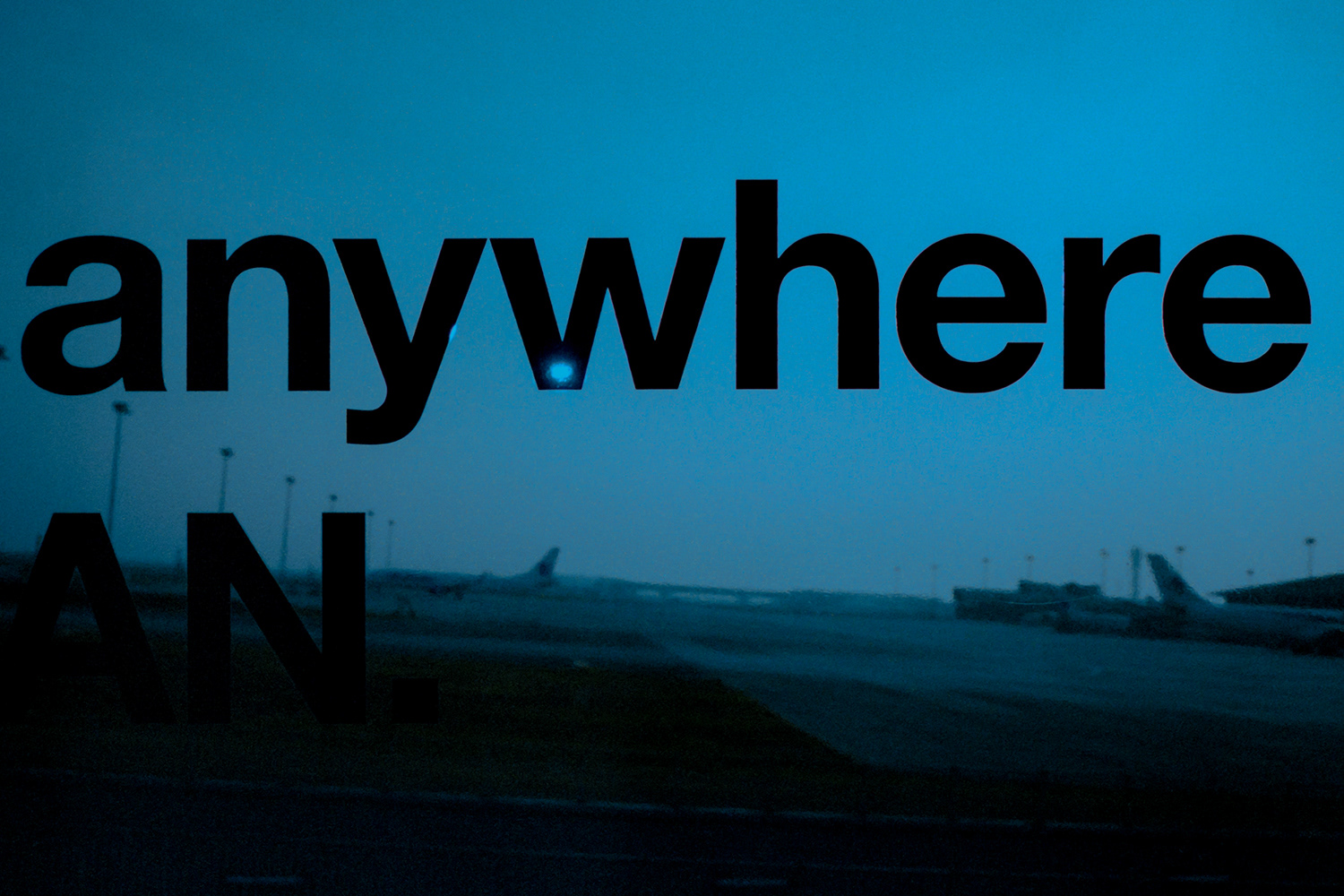
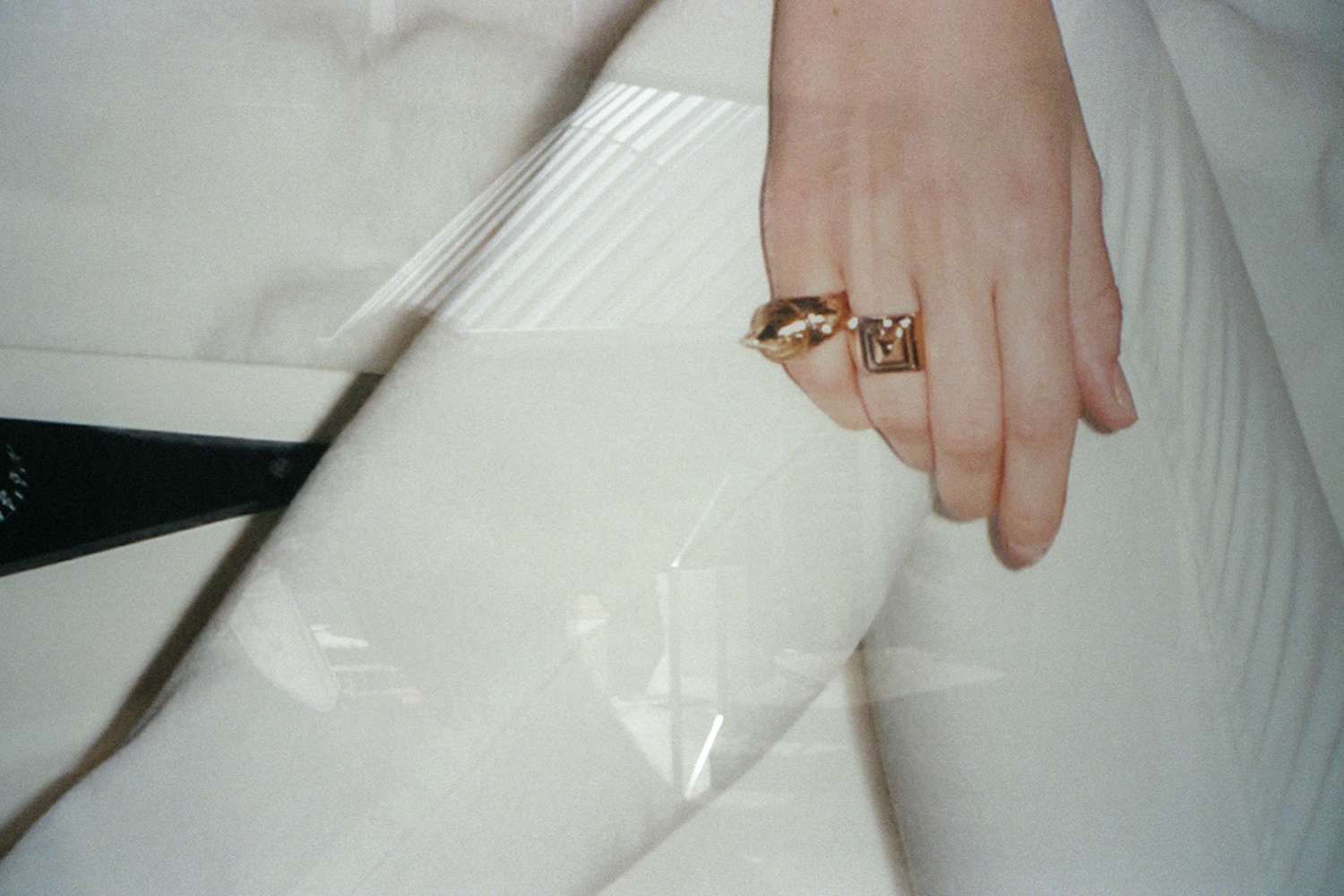
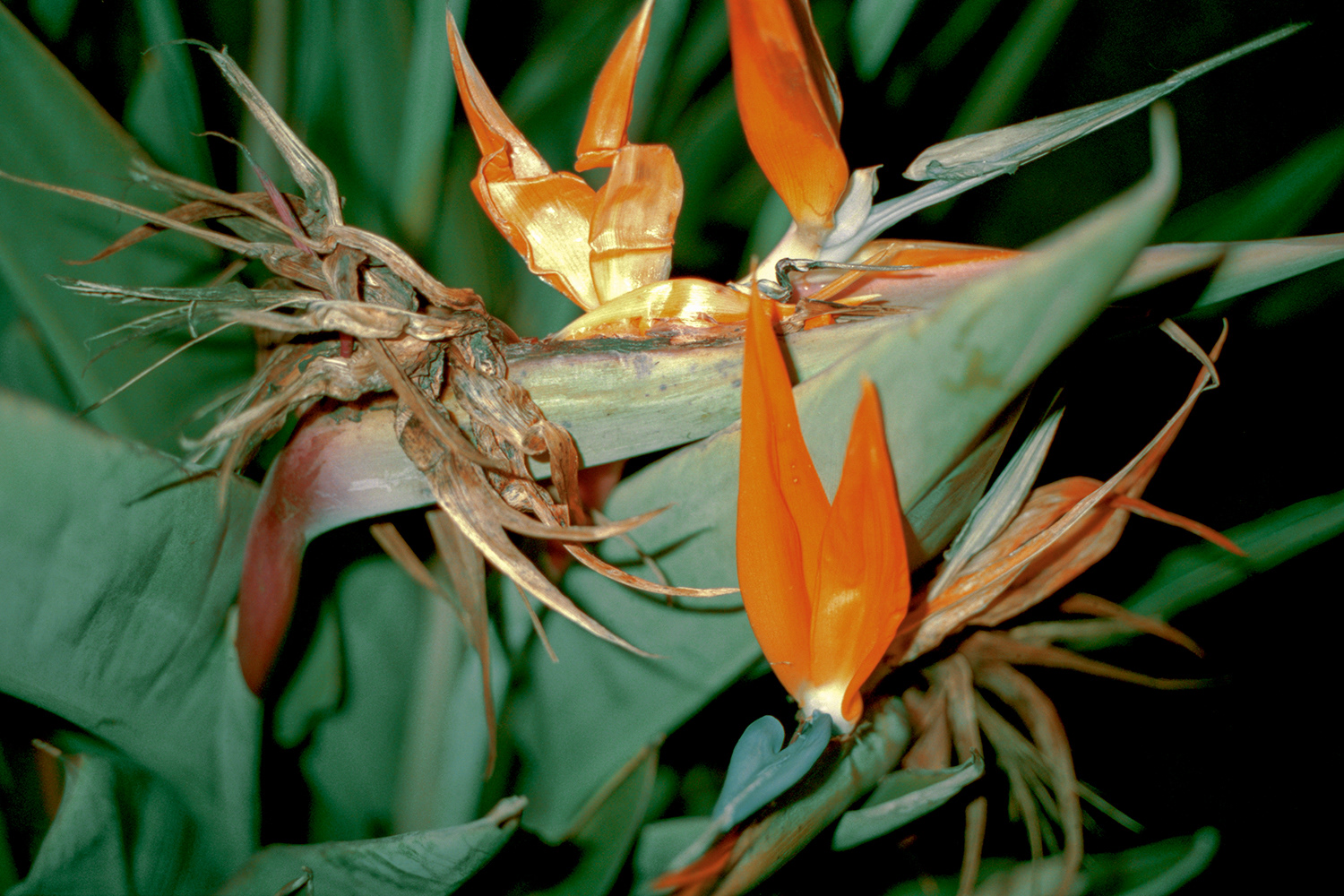
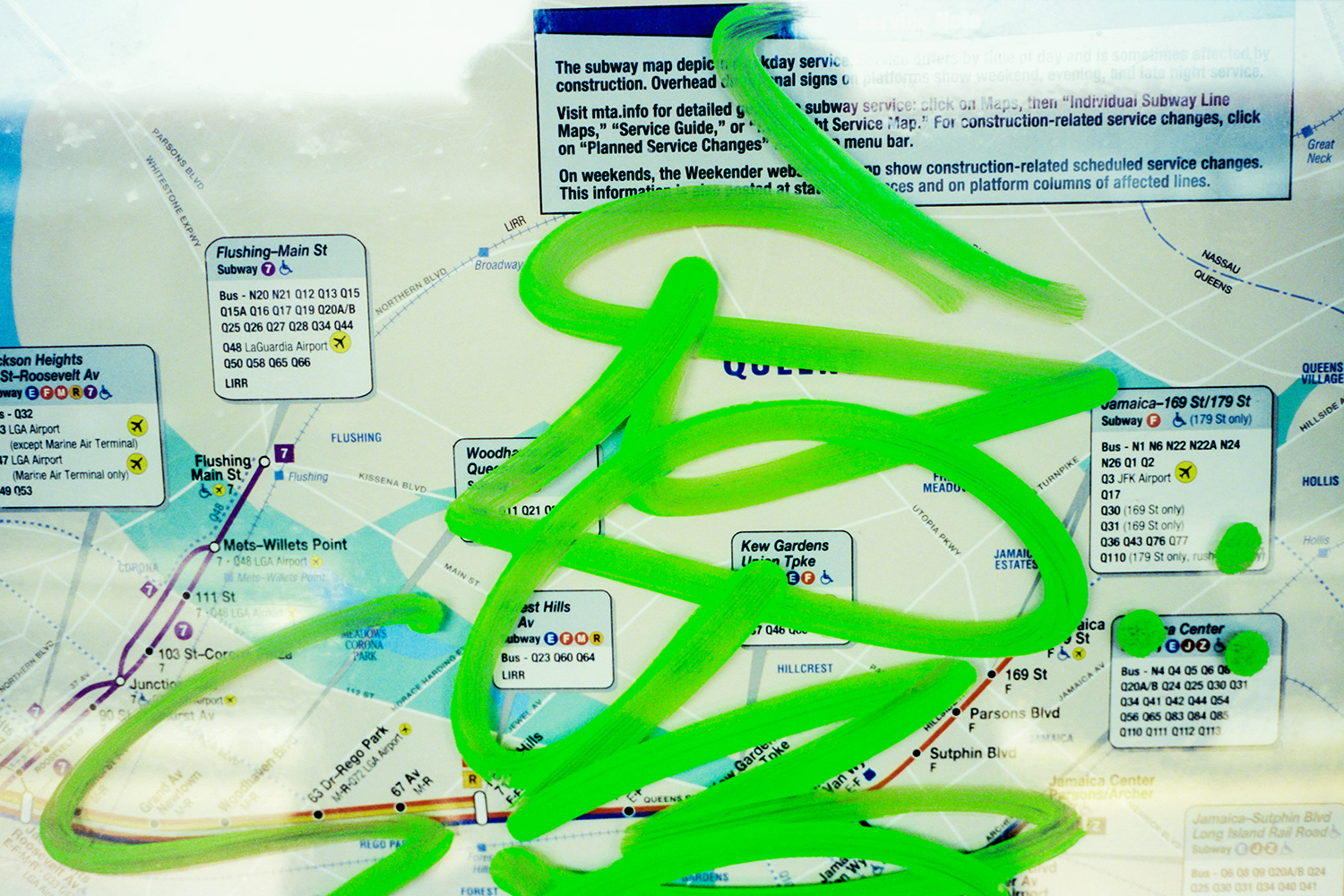
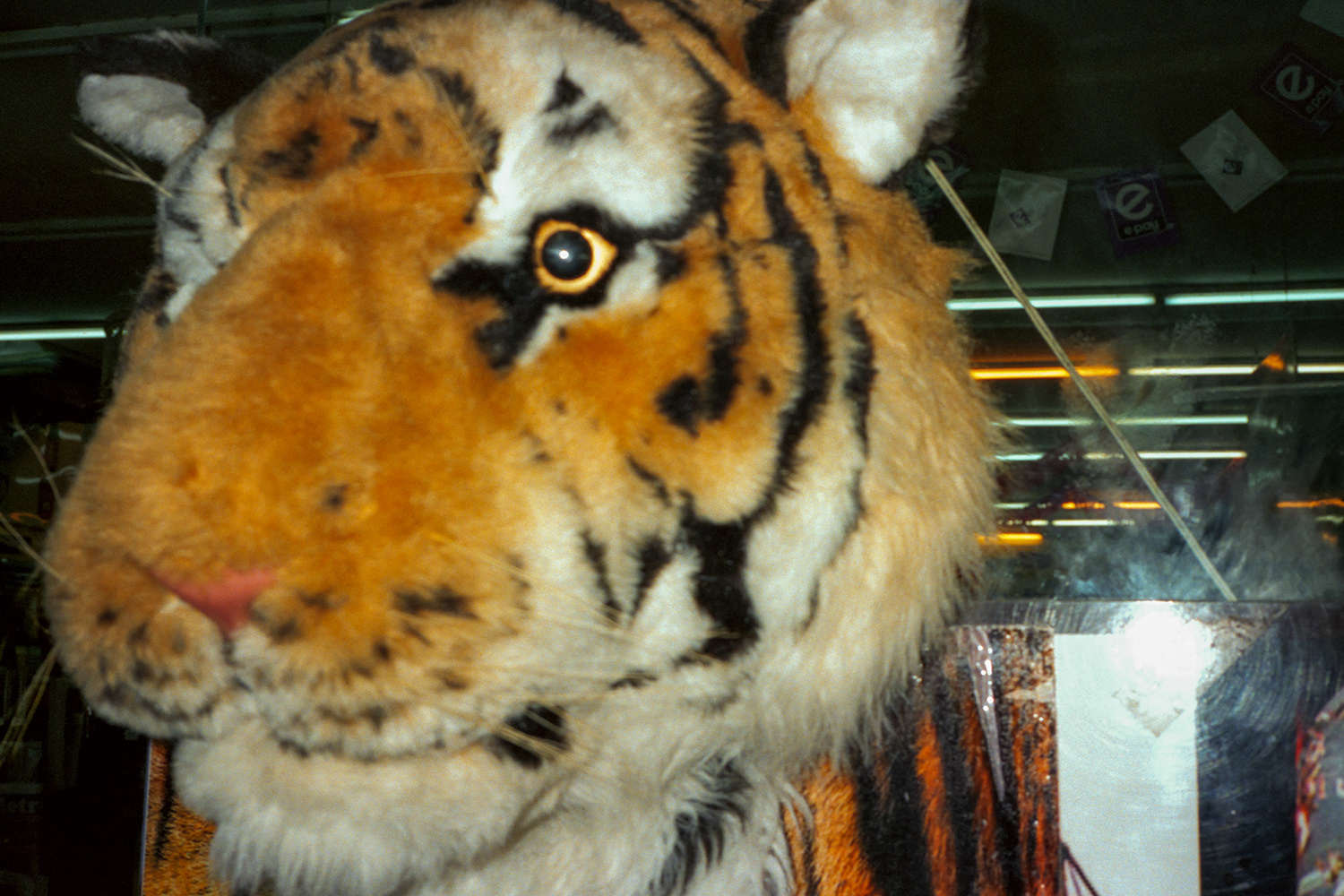
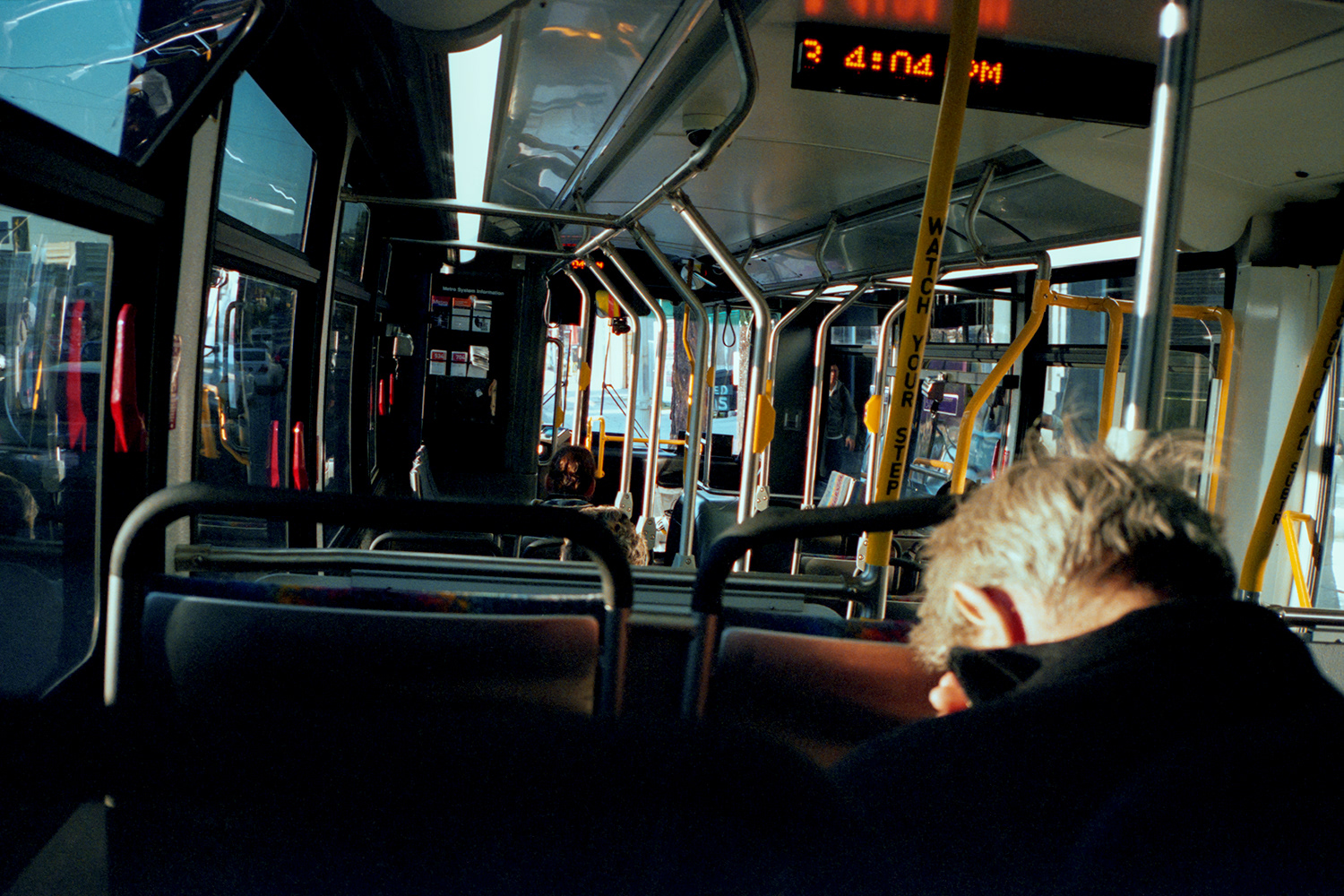
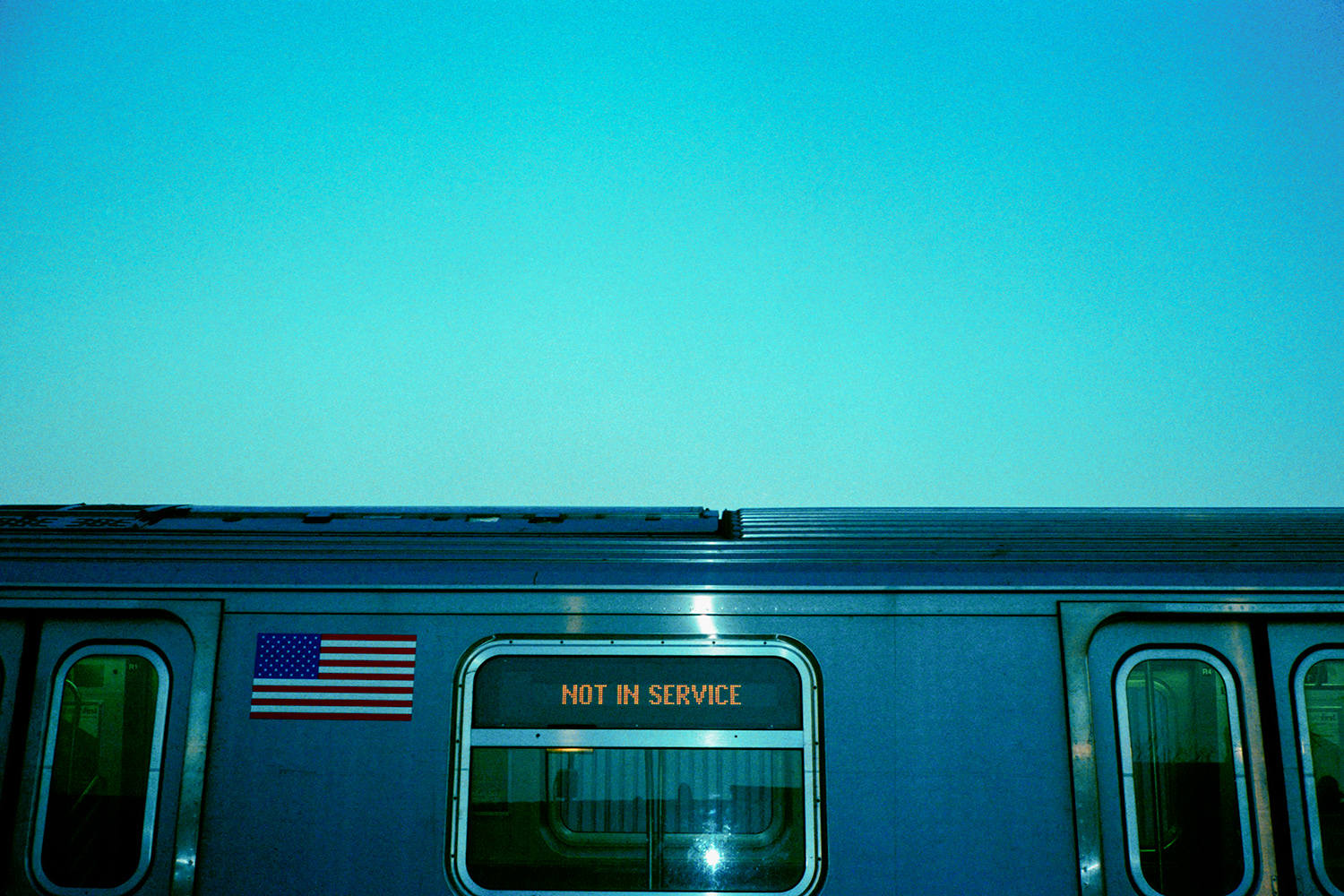

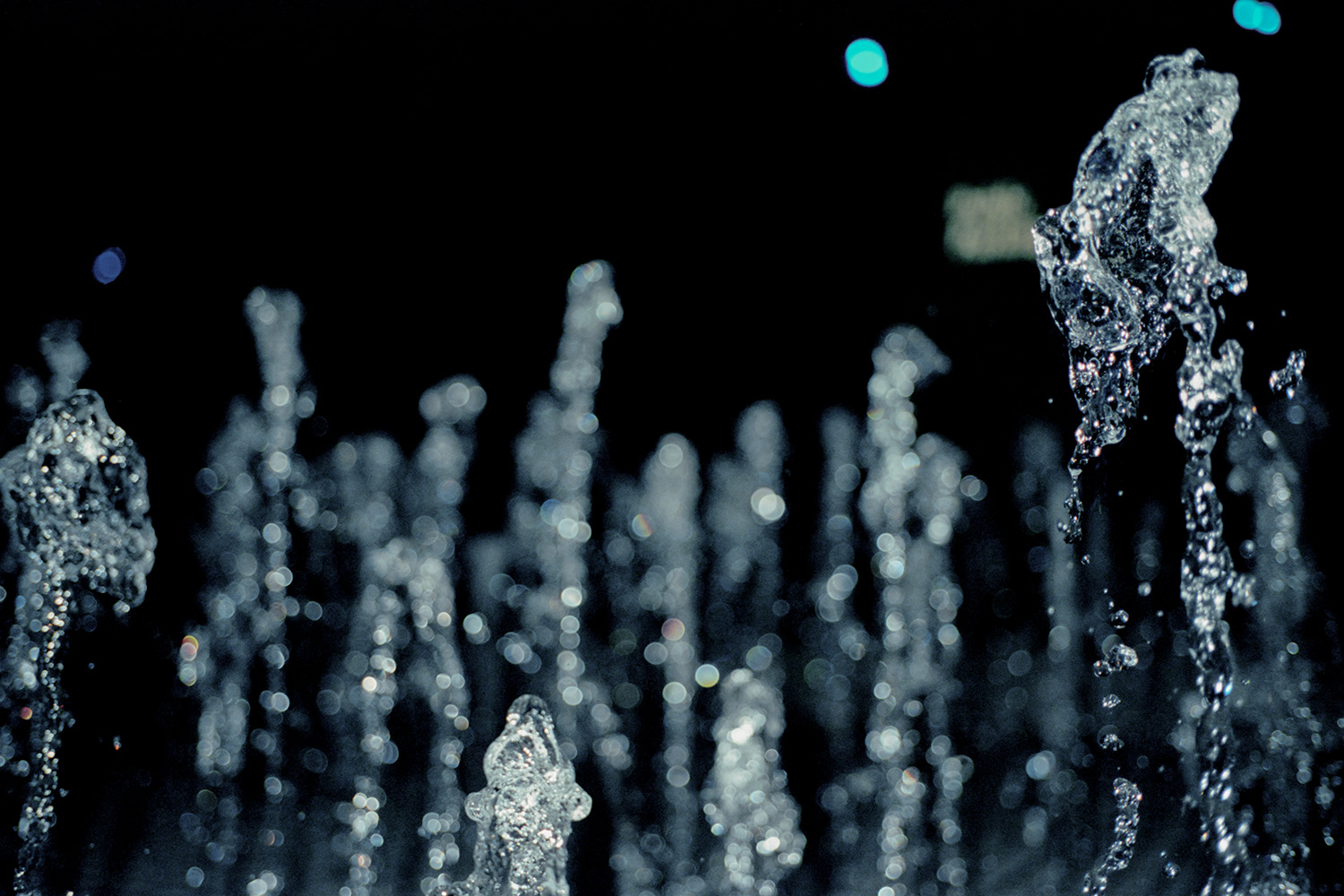

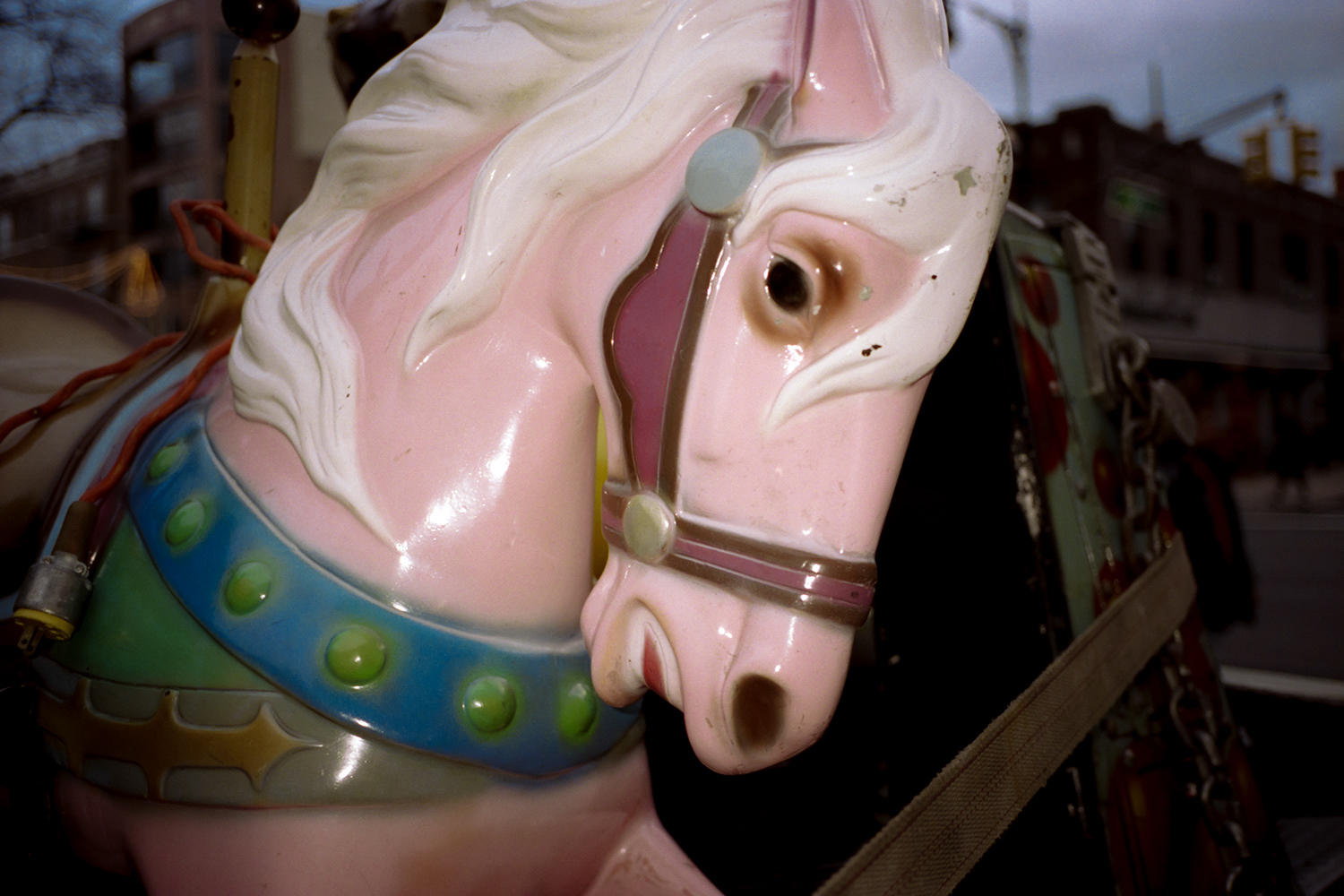
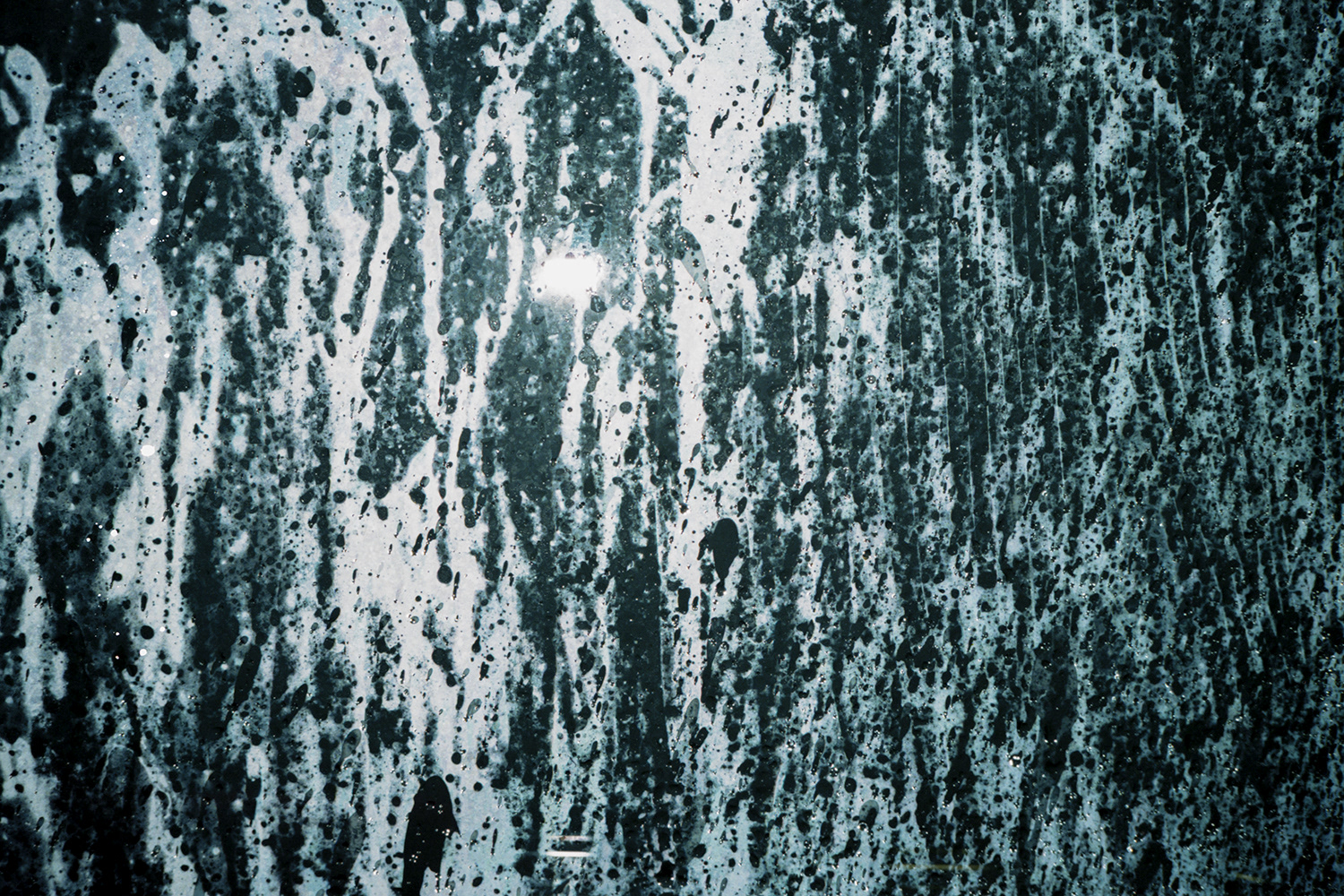
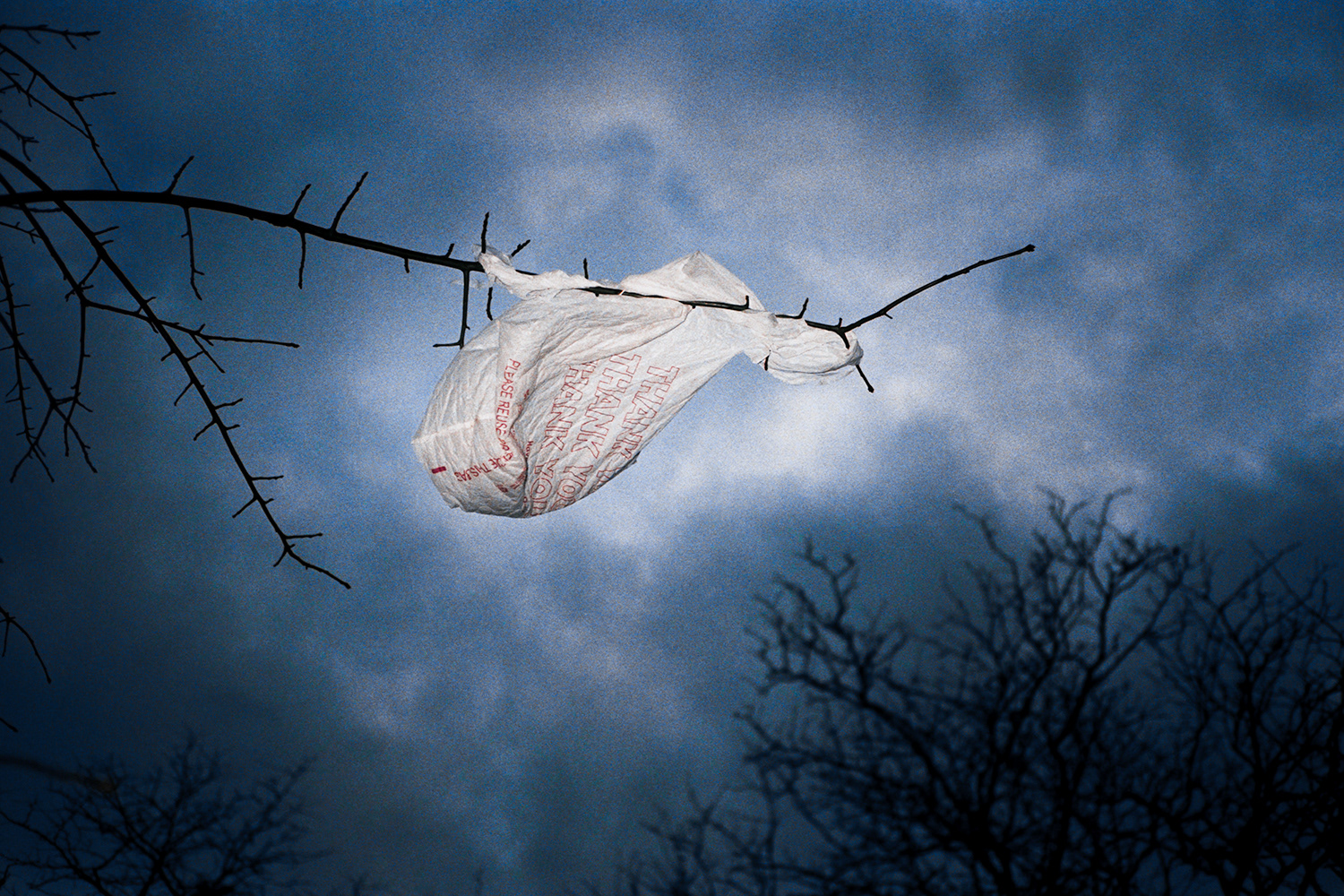
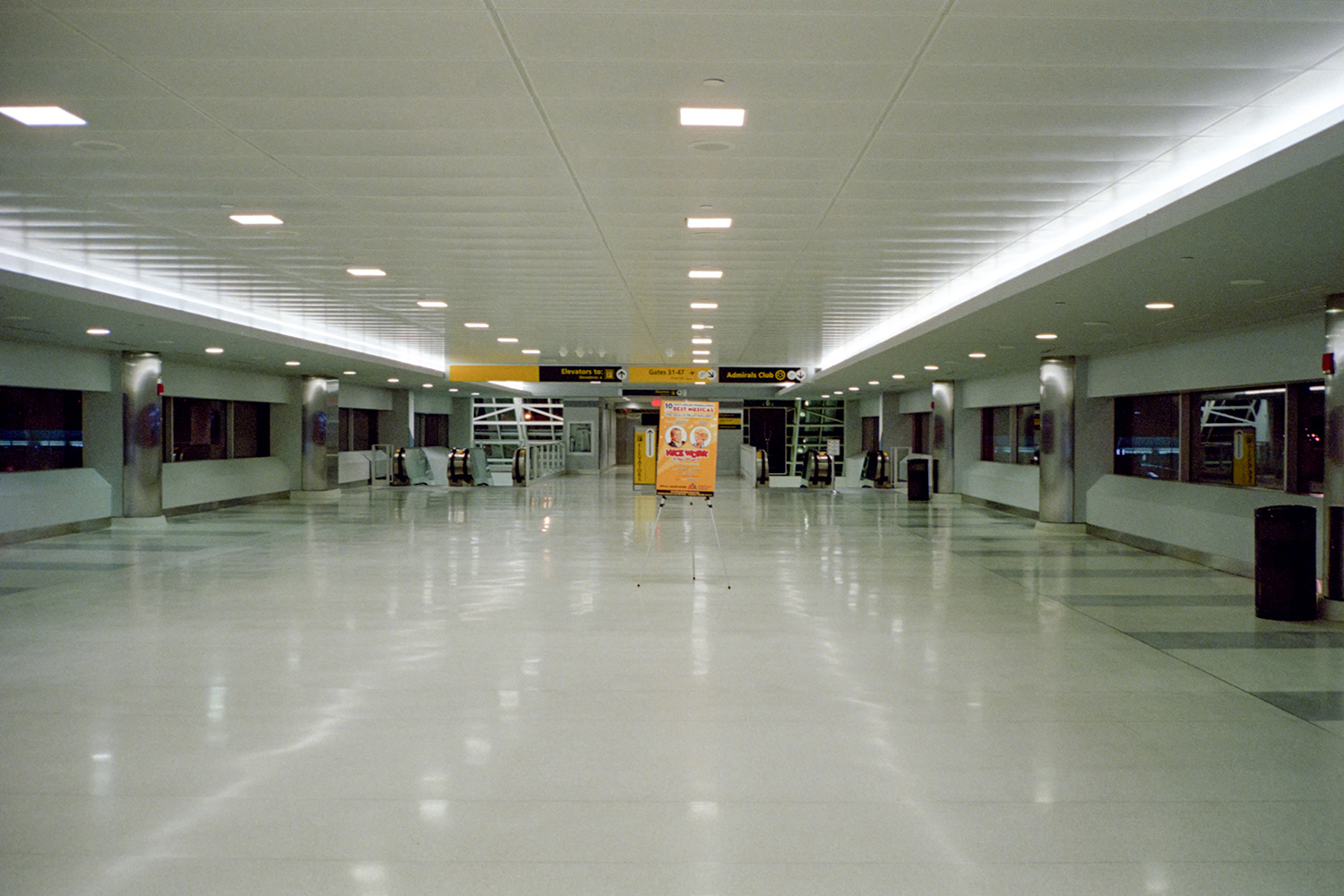
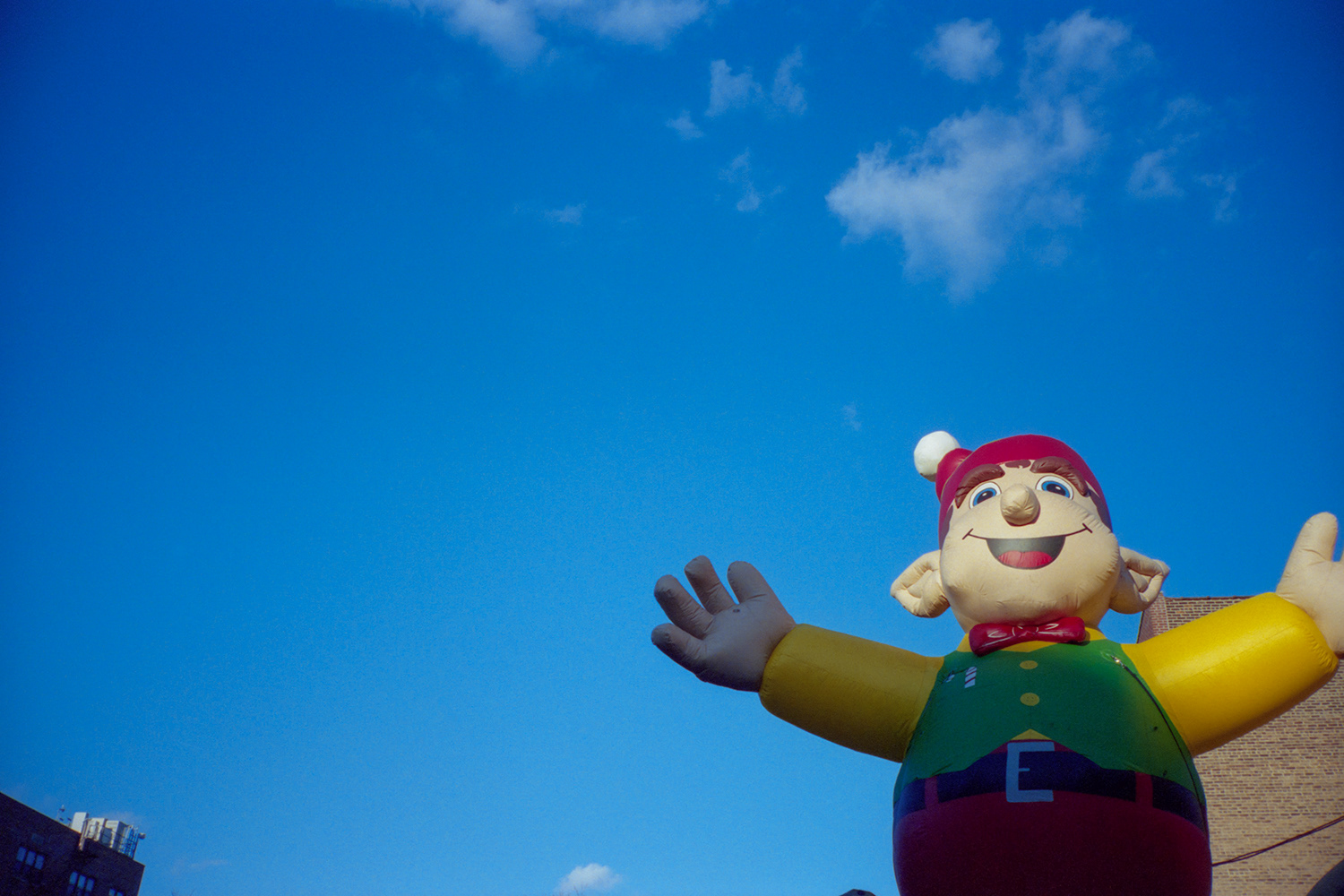
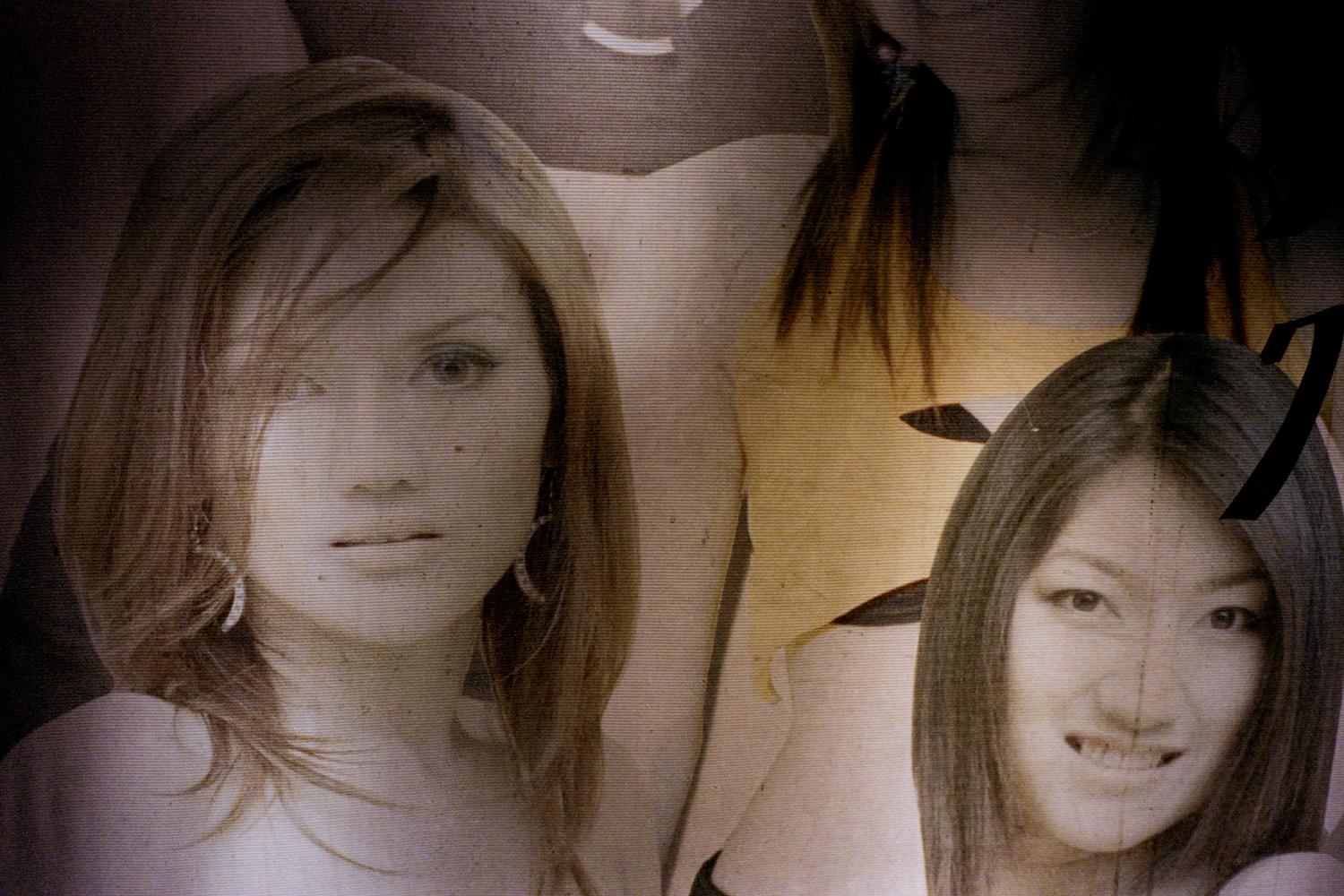
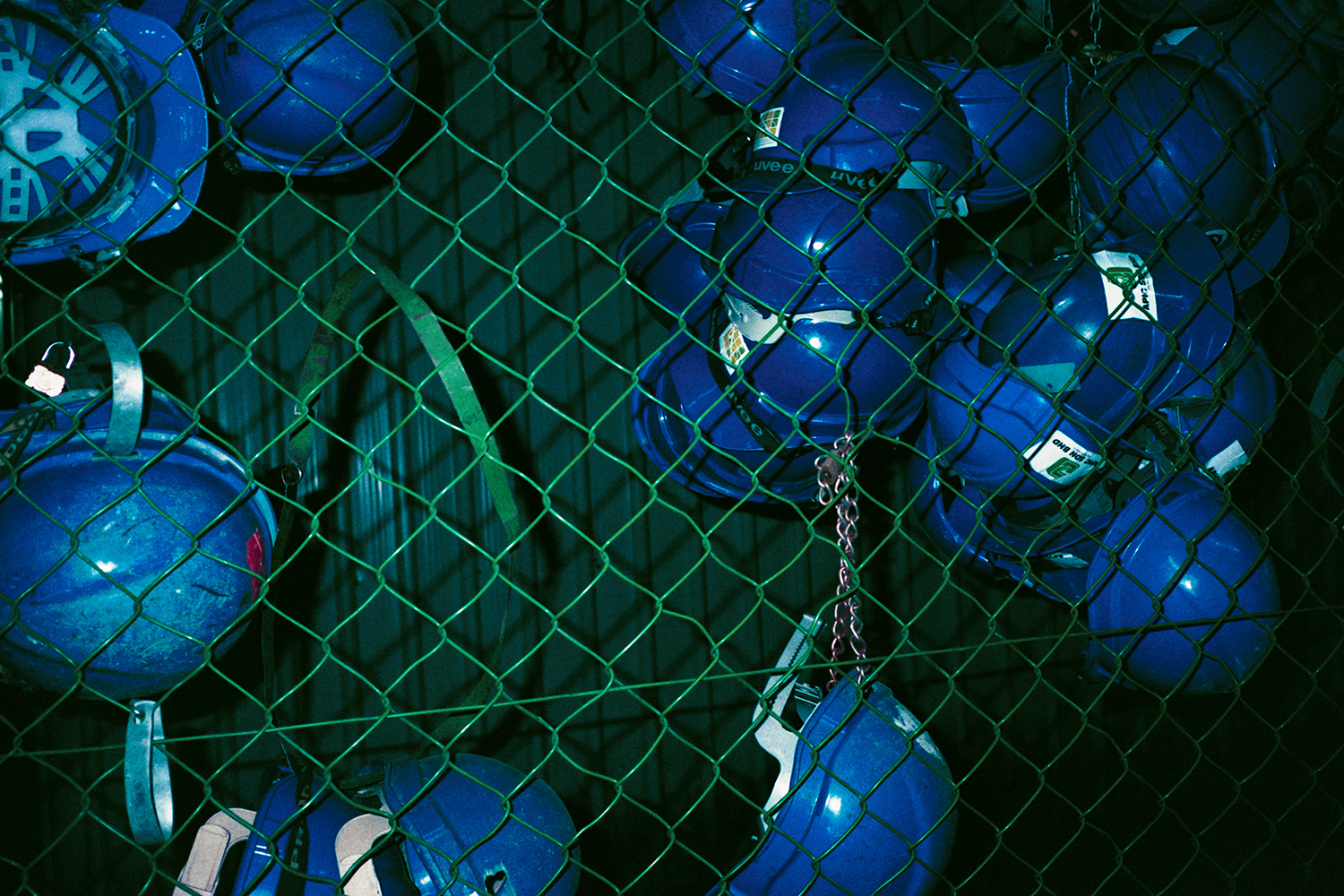
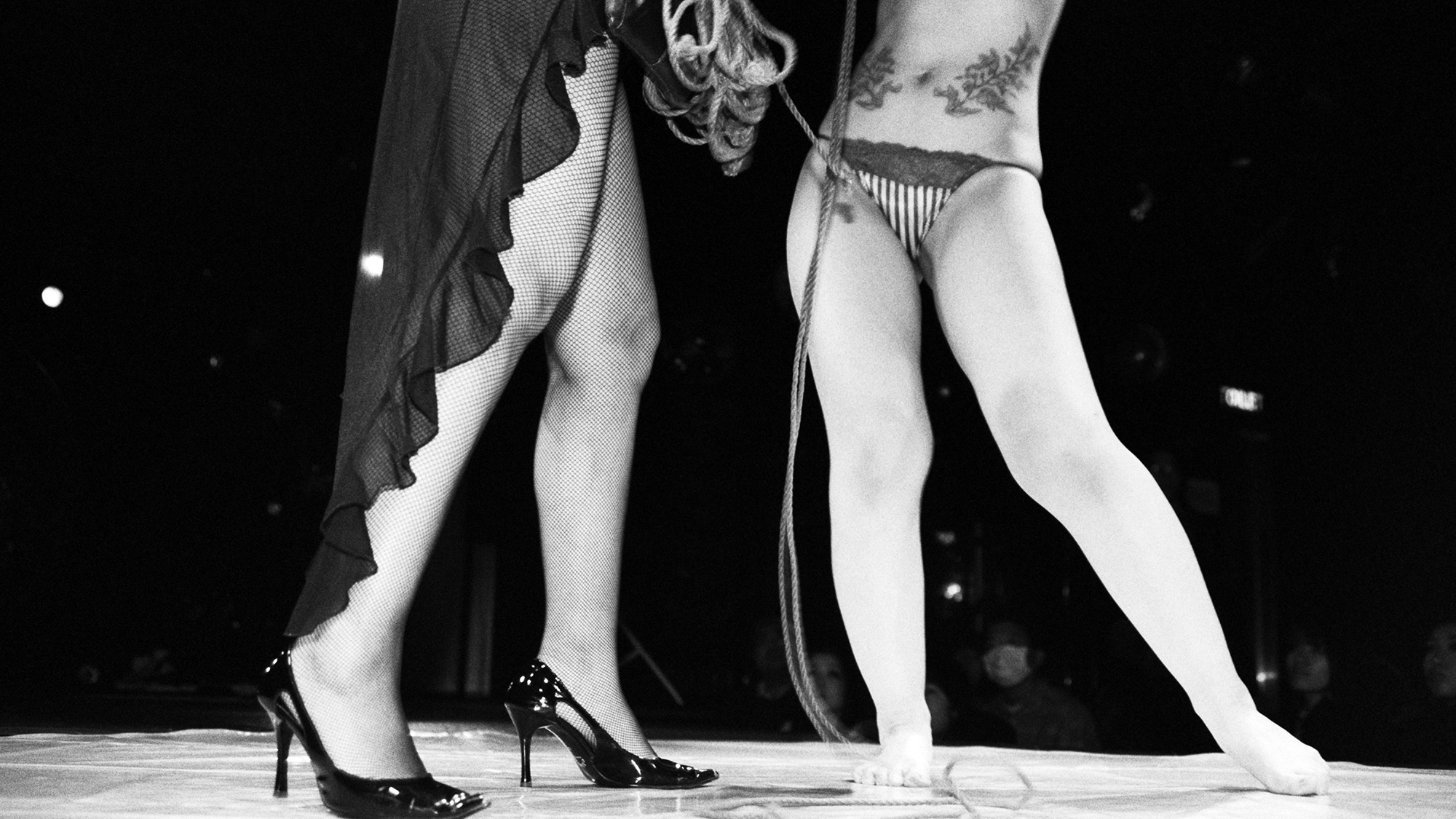
For me, taking pictures is about documenting something. My experience as a photographer began when I was photographing at a small club located in the middle of a corridor in a subway station in Kyoto. That was twenty-five years ago. Since then, I have been documenting what happens in front of me.
Perhaps the most important difference between photography and other visual arts is that photography must always rely on reality. A drawing on a white canvas is always born of the artist’s free will. However, a photographer does not have a white canvas. What lies before him is an imperfect and distorted world of reality. Without doubt, a photographer can capture something beautiful with perfect lighting and a perfect background. However, the photographer’s pursuit of his own ideal in this way cannot rival the freedom of a single line that an artist draws on a blank canvas.
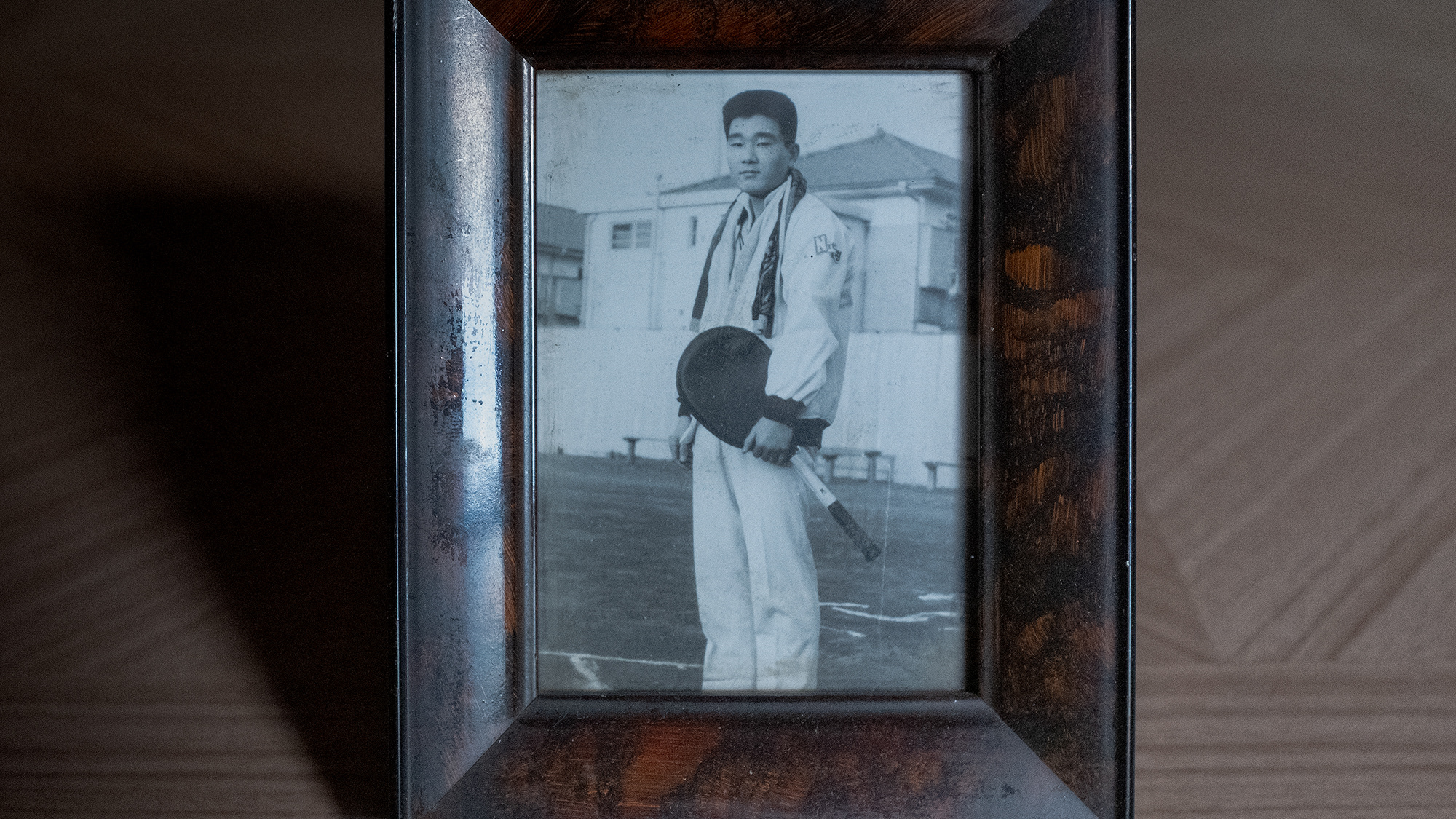
Photography is always accompanied by reality—in other words, by memories. It is a very private thing. Looking back at the history of photography from the perspective of the twenty-first century, it is clear that photography has existed as a kind of memorandum for recording personal experiences rather than as an aesthetic creation. It is a human instinct to record a moment from one’s own experience as an image, and whether or not the photograph is beautiful is only a secondary by-product. Try going to a thrift store and looking at the old photographs they have for sale. There, you will find a large number of family portraits that do not look very beautiful and landscape images whose locations are unknown, all recorded and left behind. This is a clear indication that the primary function of the photographic medium is to evoke memories. What is even more surprising is that these memories are not even passed on to the next generation. These old photographs sold in thrift stores represent the final state of photography, in which it no longer serves even as a device for transmitting memory.
There is an instinctive thirst to record, and, inversely, there lurks the fear of forgetting and being forgotten. We take pictures so that we will not forget and so that we will not be forgotten. In reality, however, a photograph is like a potion that instantly evokes a memory, but it does not record the memory itself. No matter how many signals the photograph transmits to our brains to evoke our memories, the memories themselves fade away. In the end, the perfect reproduction of memory that we try to obtain through photography is doomed to failure. Perhaps we feel a certain sentimentality toward old photographs because we already know the profound sadness of their failure.
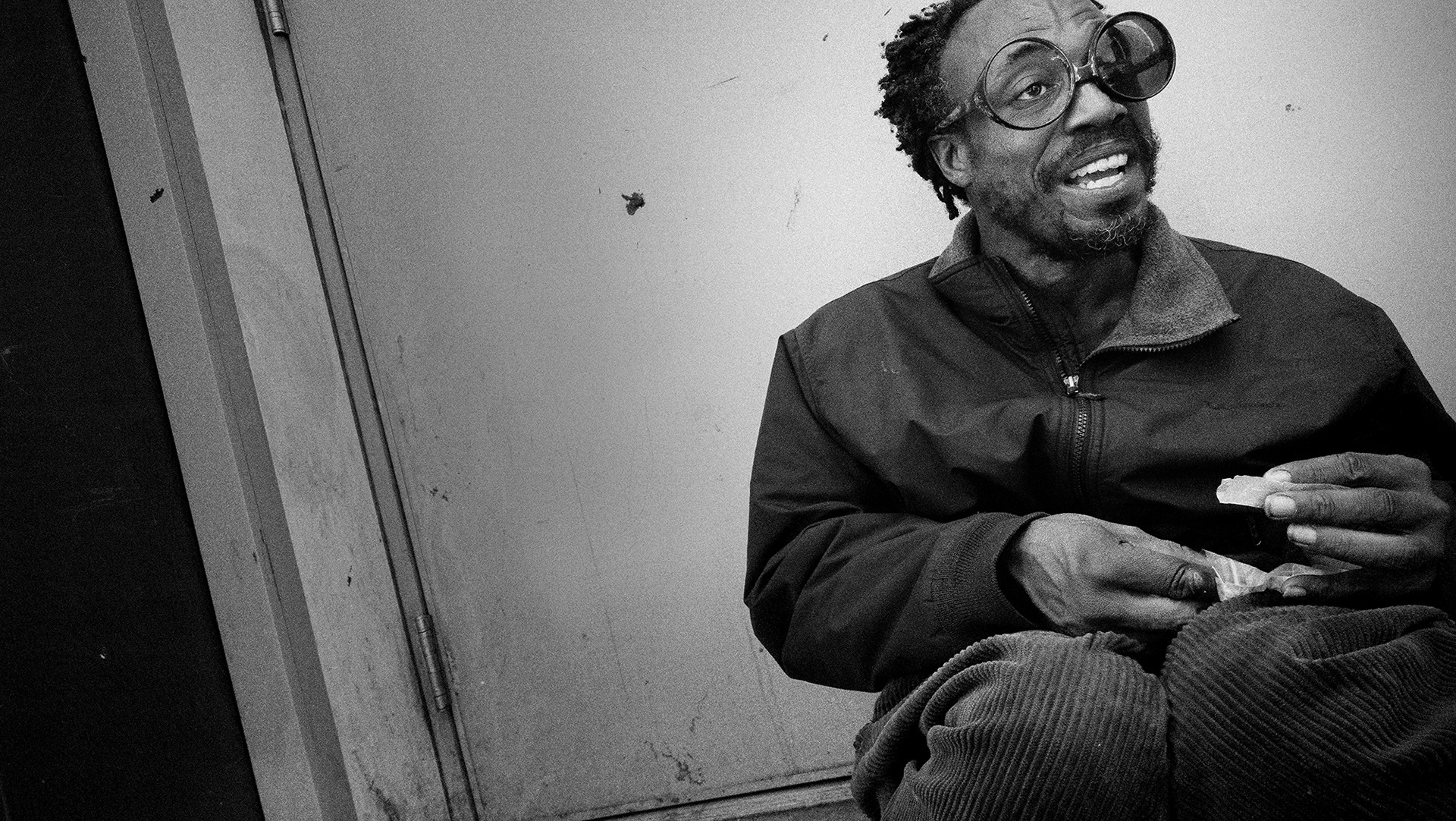
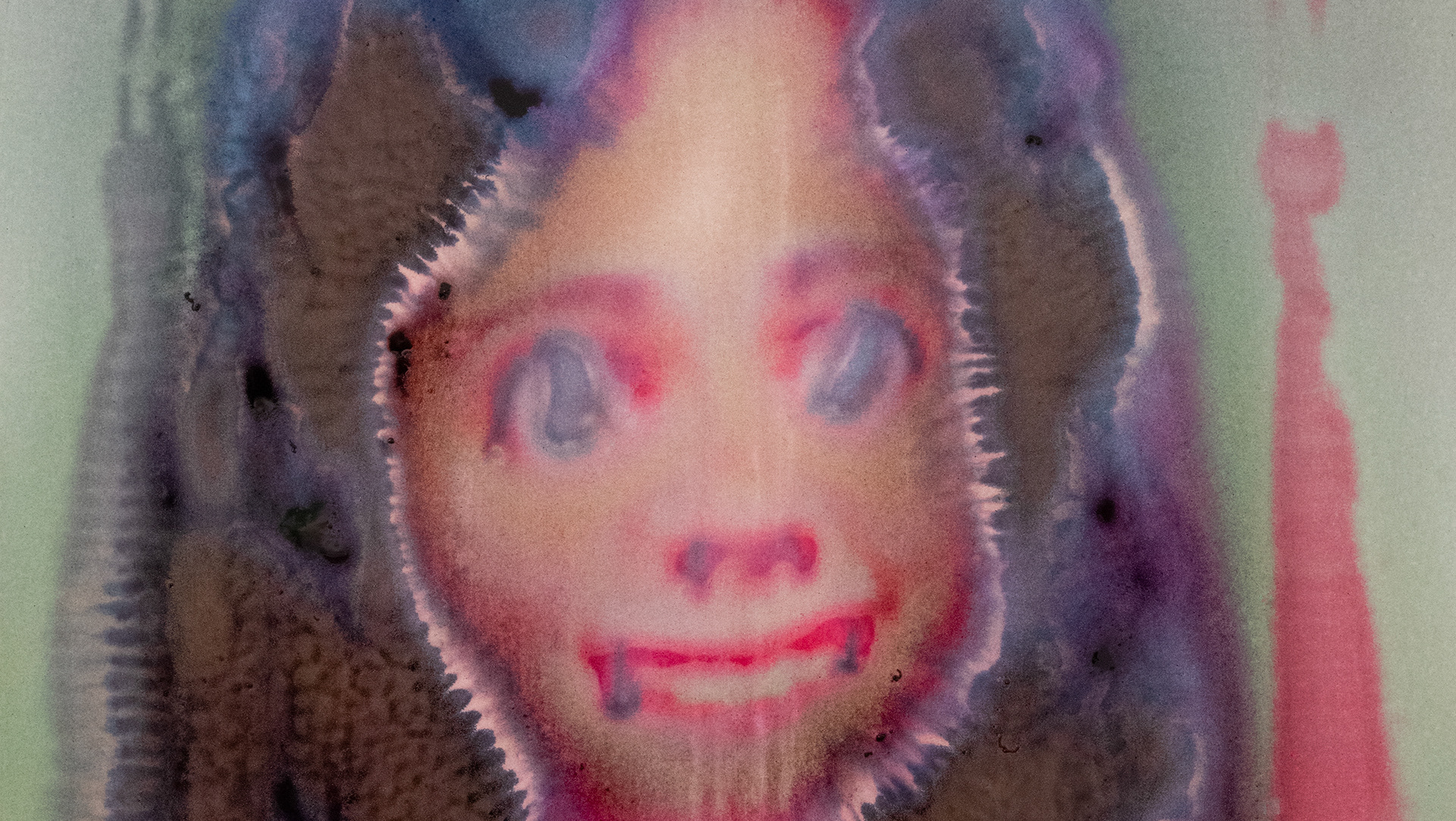
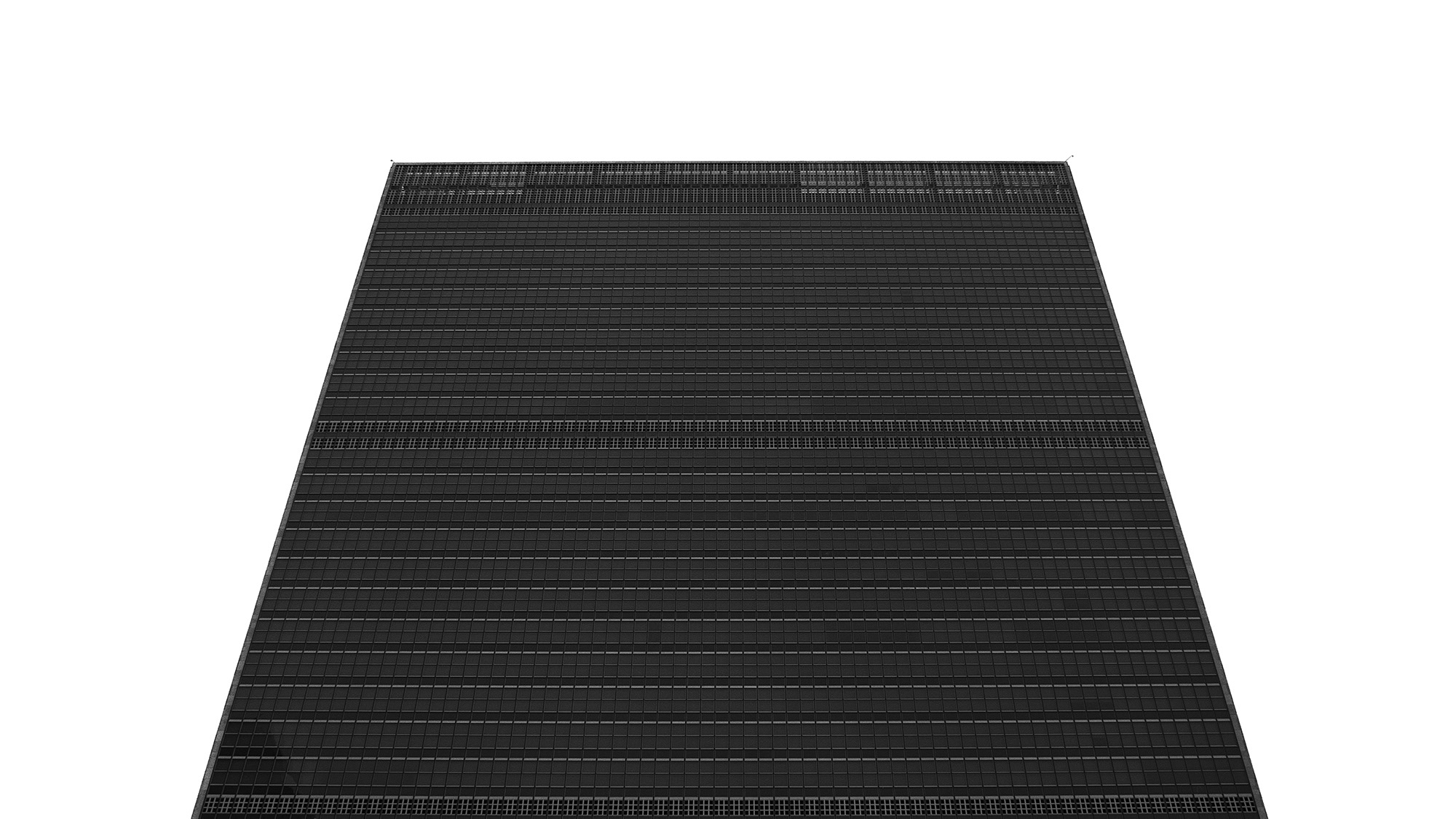
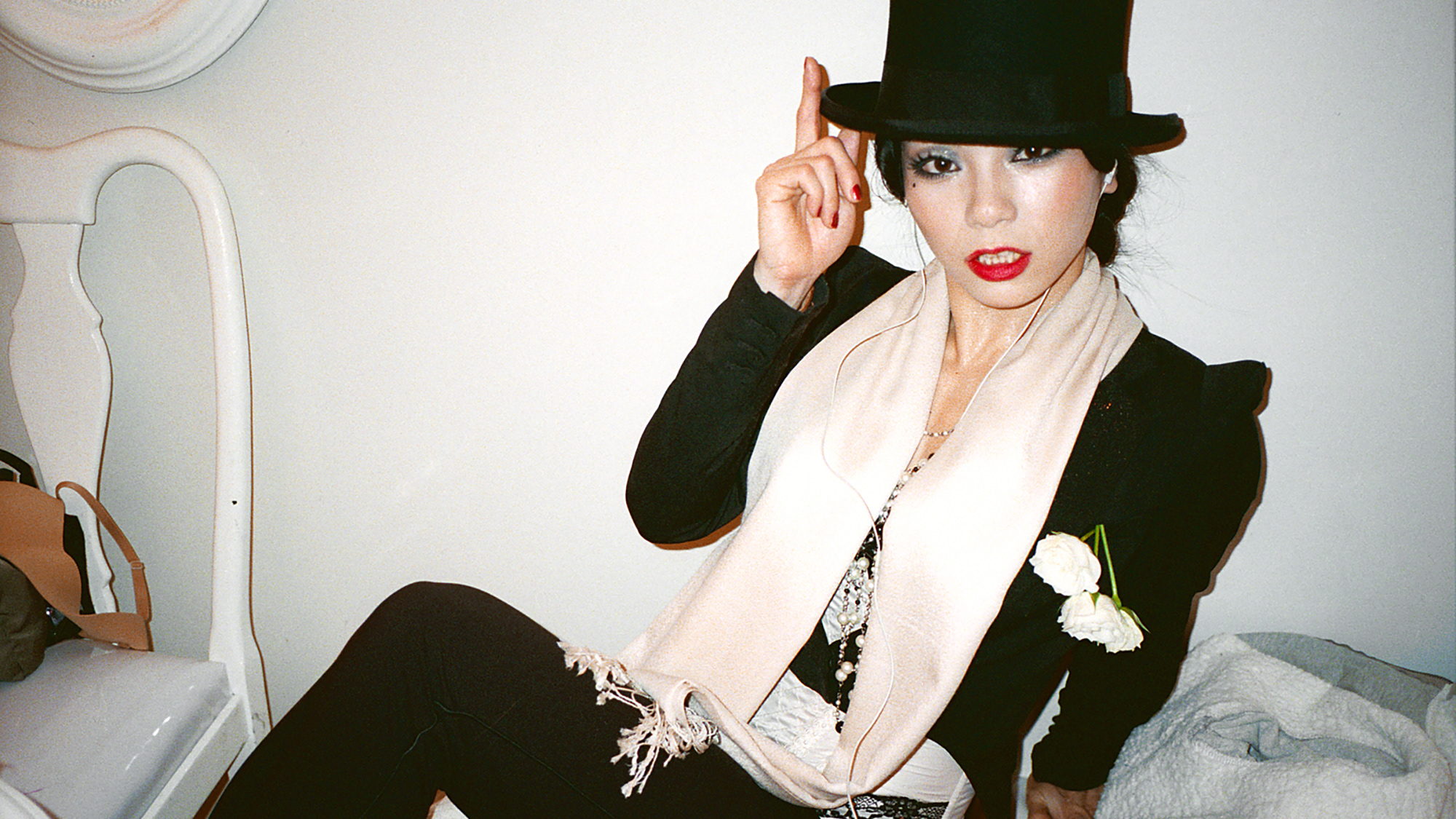
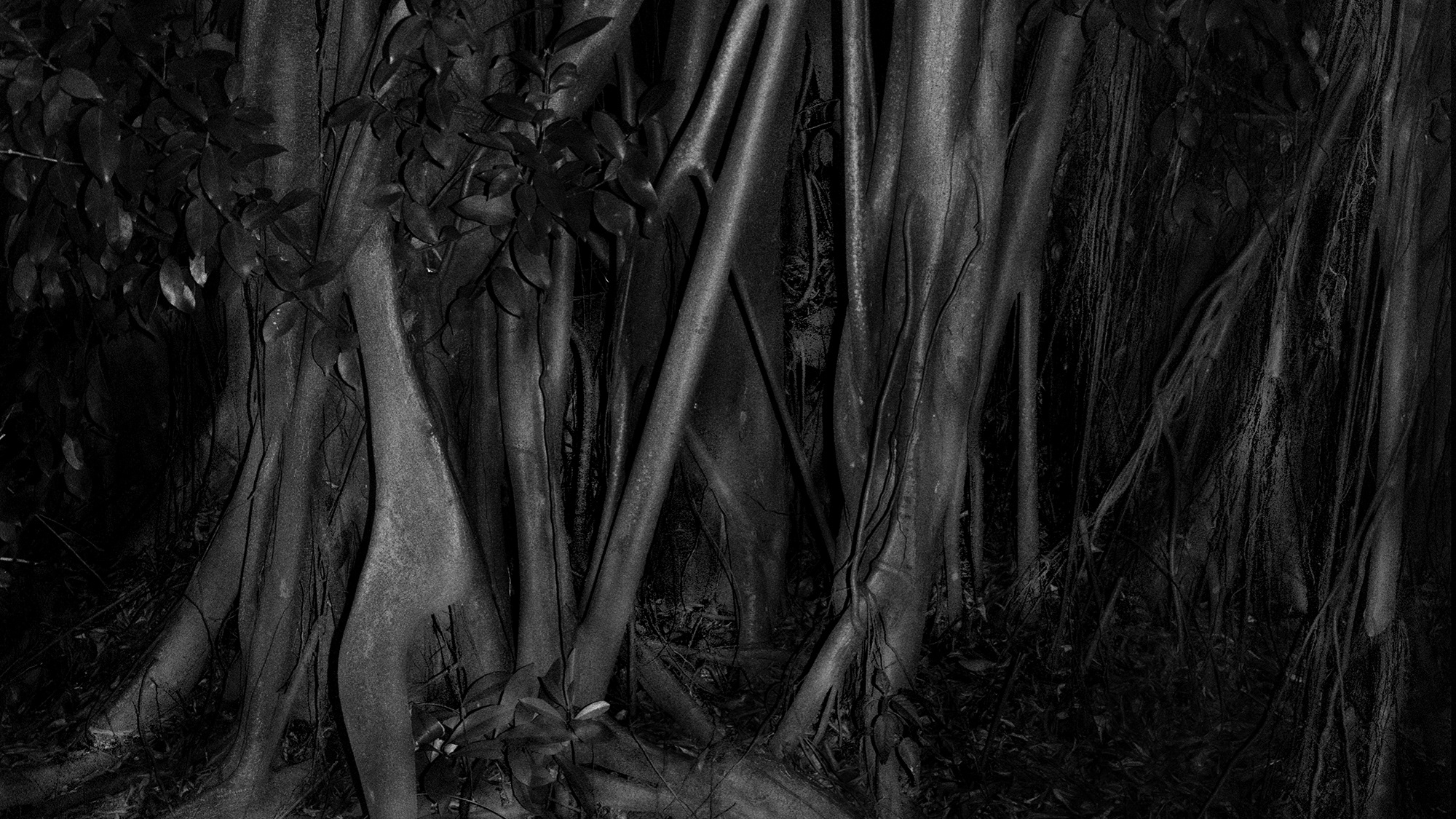
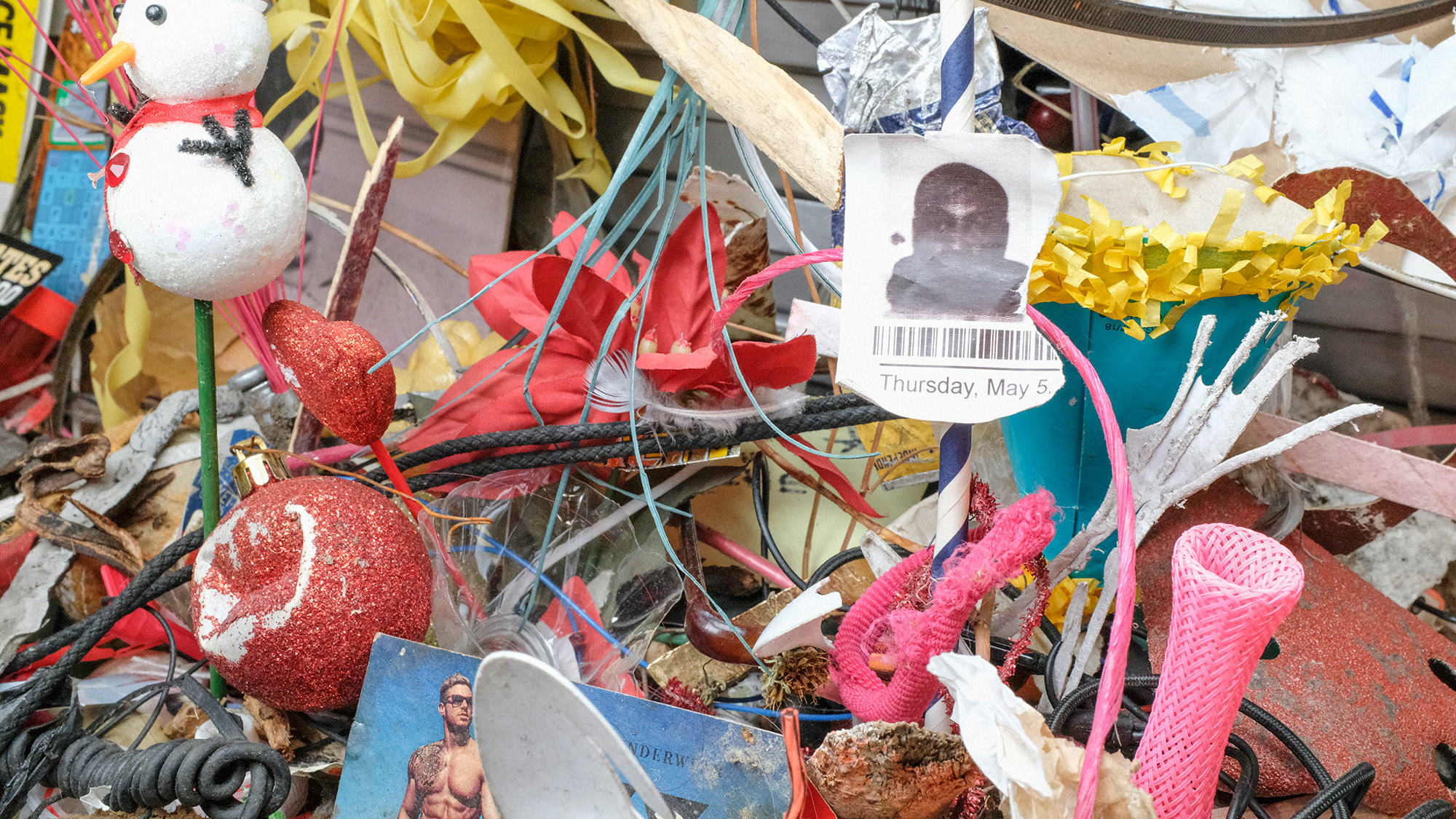
I was interested in the relationship between the evocation of my personal memories and the decay of those memories through the acts of taking and looking at photographs. I wondered how recording events that appeared in the world in which I lived—events too small to be remembered—would affect my memory. What do these photographs remind me of? And how will I forget them? I decided to take “photographs to forget”: ordinary, everyday moments of my life, moments without drama. Can documenting moments that do not need to be remembered really function as “photography”? After several years of shooting and fixing these moments on film, the photographs were put into a quiet sleep.
It has now been nearly twelve years since these photographs were first taken. Forgotten for twelve years, they stimulate my memories, but the details have already been lost. For some of them, I do not even remember whether I took the photographs myself. At the same time, however, these photographs, which are losing their concrete meanings, have begun to radiate a different luster from the one they had when I saw them twelve years ago. After twelve years of oblivion, I will share these photographs with others and observe what meanings they acquire after they have been forgotten.